








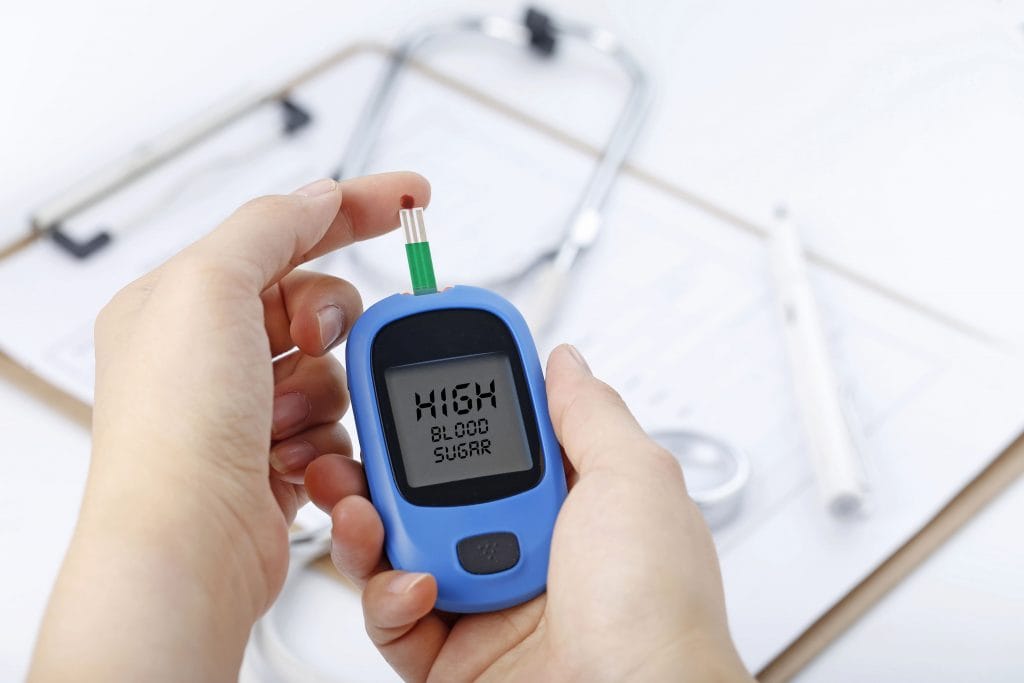
Maintaining healthy blood sugar levels is more important than ever, as 1 in 6 adults in Malaysia lives with diabetes, and the trend shows a steady increase over time, according to the National Health and Morbidity Survey 2023 (1). Managing blood sugar is key in supporting overall health and keeping your body strong, whether you’re preventing diabetes or keeping it under control. By taking simple, everyday steps to support blood sugar balance, you’re not just managing sugar — you’re protecting your full-body health.
With that goal in mind, here are seven small daily habits that you can start adopting today!
1. The Art of a Balanced Plate
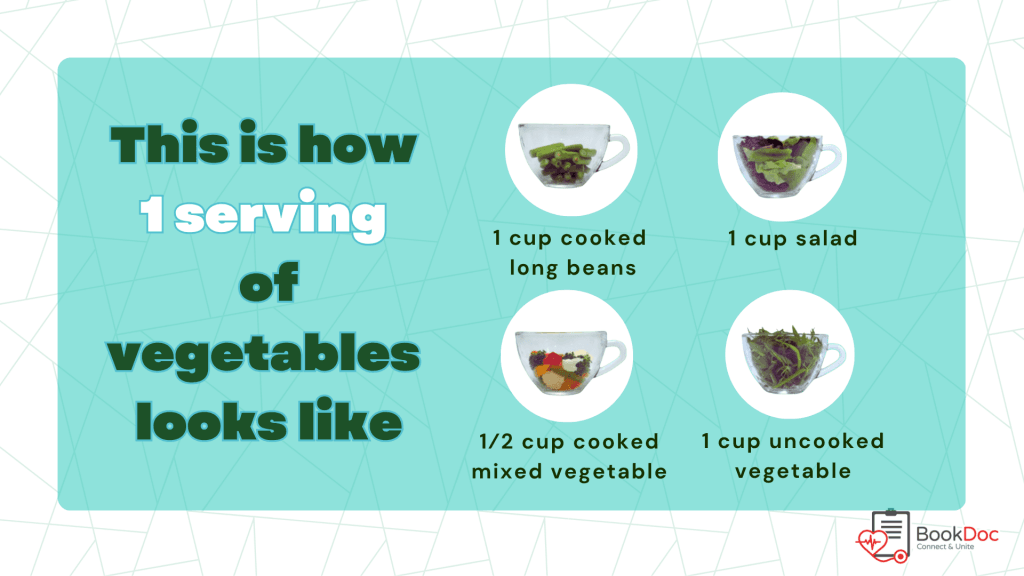
Begin by filling your plate with a serving of fiber-rich vegetables for example leafy greens, cucumber, or tomato as in illustration below. Then fill the rest of your plate with a mix of lean protein, whole grains, and healthy fats, following the Suku-Suku Separuh concept. Don’t forget your fruits. They can be enjoyed with your meal or as a healthy snack in between.This combination helps slow the release of sugar into your bloodstream (2) and keeps you full longer rather than experiencing the quick energy crash that often comes from an unbalanced meal.
2. First Bite Matters: Start with Veggies
Start your meal with fiber-rich veggies because fiber slows down how quickly carbohydrates are broken down into glucose, leading to a gentler rise in blood sugar after meals. This simple habit not only supports digestion, but it also helps control your appetite, which is a great first step toward balanced eating.
3. Keep a Steady Mealtime Routine
Consistent meal timing helps your blood sugar stay stable throughout the day. When you eat at irregular times, your body’s insulin and glucose responses can become unpredictable. This may cause your blood sugar to rise sharply after some meals and drop before the next. Over time, these fluctuations can make it harder to keep your blood sugar stable and may trigger cravings for quick sugar fixes (3). To help maintain steady blood sugar, try to have your main meals at around the same times each day.
4. Don’t Sit Yet — Take a Quick Walk!
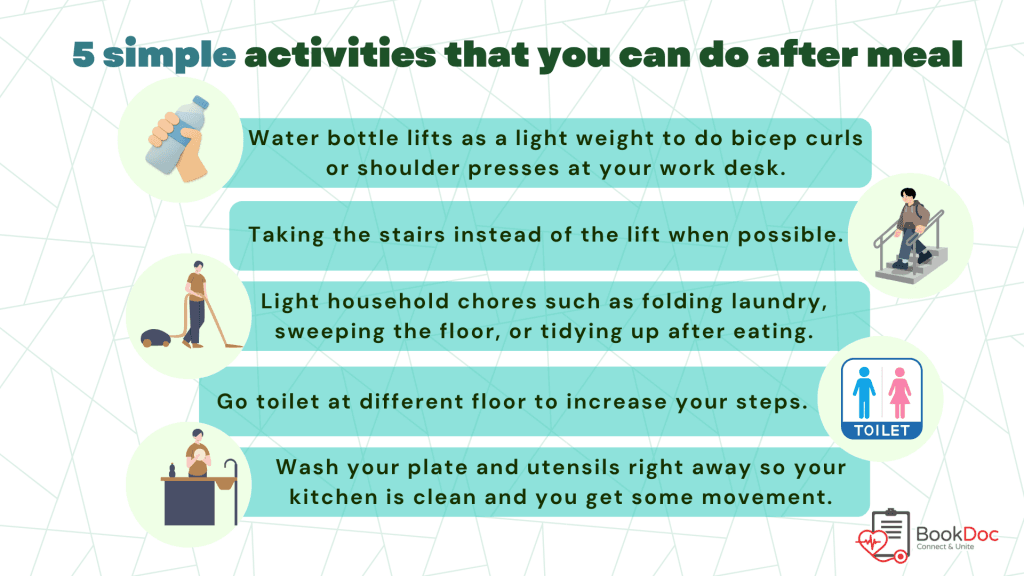
After your meal, keep your body moving; even a 10–15 minute walk can make a difference. Muscles use glucose for energy, so light activity can naturally reduce blood sugar levels compared to staying seated (4). This simple habit complements your balanced meal and supports better insulin sensitivity, keeping your glucose levels steady throughout the day. Here are the other simple activities that you can do after your meal:
5. Water Works Wonders
Your meals should also come with enough water because hydration helps your body absorb nutrients efficiently and supports healthy blood circulation. When you’re dehydrated, your blood becomes more concentrated, making it harder for your body to manage blood sugar effectively, especially for those with diabetes(5) because when there is less water in the blood, the concentration of glucose rises naturally, so blood sugar levels can rise more easily. Aim for 6–8 glasses of plain water daily, and limit sweetened beverages like soft drinks or bubble tea that can cause blood sugar spikes and make it harder for your body to stay hydrated.

6. Rest to Reset
Just as movement helps your body use glucose efficiently, quality sleep allows it to recover and restore proper hormone balance that keeps blood sugar steady. Poor sleep affects hormones like insulin and cortisol, which regulate how your body uses sugar. Insulin helps move glucose into cells, while cortisol, the stress hormone, raises blood sugar and helps the body cope with stress. Without enough deep sleep, your body may release more cortisol (6) and become less sensitive to insulin (7) (8), making it harder to control blood sugar. Aim for 7–9 hours of quality sleep to help your body regulate glucose effectively.
7. Relax to Regulate
Lastly, keeping stress under control ties everything together. When you are under chronic stress, it triggers your body to release stress hormones such as cortisol (9), which help you cope with your stress in the short term but cause your blood sugar level to rise over time. Simple relaxation practices (10) can calm your system and support all the other healthy habits above — from better sleep to improved digestion. You can manage stress more effectively with simple, daily practices such as:
Deep Breathing
- Inhale slowly for 4 seconds.
- Hold for 4 seconds.
- Exhale for 4 seconds.
- Repeat a few rounds to calm your body.
Appreciate mindful moments
Spend a few minutes focusing on your senses in your surroundings, such as the sound of birds, your breath, or the taste of your food.
Wind-down routine
Listen to relaxing music or do light reading before bed to help your mind slow down.
These small actions may seem simple, but when practiced consistently, they help lower stress hormones, improve sleep, and support steadier blood sugar.
Conclusion
Keeping your blood sugar in check is more than just preventing diabetes — it’s about helping your body function at its best every day. Simple habits like having a balanced meal, starting with vegetables first, having meals at regular times, being active, staying hydrated, sleeping well, and managing stress work together to keep your energy steady and protect your heart, kidneys, and overall health. Remember to check your blood sugar regularly — if it stays high for too long, it can cause serious problems like heart disease, kidney damage, nerve problems, and vision loss (11)(12)(13)(14). Start with one small change today — your future self will thank you.
References
- Institute for Public Health. (2024). National Health and Morbidity Survey (NHMS) 2023: Fact sheet — Non-communicable diseases & healthcare demand. Ministry of Health Malaysia. https://iku.nih.gov.my/images/nhms2023/fact-sheet-nhms-2023.pdf
- Ekberg, N. R., Catrina, S.-B., Spégel, P., et al. (2024). A protein-rich meal provides beneficial glycemic and hormonal responses as compared to meals enriched in carbohydrate, fat or fiber, in individuals with or without type-2 diabetes. Frontiers in Nutrition, 11. https://doi.org/10.3389/fnut.2024.1395745
- Ali, M., Reutrakul, S., Petersen, G., & Knutson, K. L. (2023). Associations between Timing and Duration of Eating and Glucose Metabolism: A Nationally Representative Study in the U.S. Nutrients, 15(3), 729. https://doi.org/10.3390/nu15030729
- Bellini, H., et al. (2022). The Effects of Postprandial Walking on the Glucose Response after Meals with Different Characteristics. Nutrients, 14(5), 1080. https://doi.org/10.3390/nu14051080
- Succurro, E., Vizza, P., Cicone, F., Rubino, M., Fiorentino, T. V., Perticone, M., Mannino, G. C., Sciacqua, A., Guzzi, P. H., Veltri, P., Cascini, G. L., Andreozzi, F., & Sesti, G. (2024). Elevated whole blood viscosity is associated with an impaired insulin-stimulated myocardial glucose metabolism. Cardiovascular Diabetology, 23, Article 431. https://doi.org/10.1186/s12933-024-02513-7
- Van Cauter, E., Leproult, R., & Plat, L. (2000). Age-related changes in slow-wave sleep and REM sleep and relationship with growth hormone and cortisol levels in healthy men. JAMA, 284(7), 861–868. https://doi.org/10.1001/jama.284.7.861
- Singh, P., Beyl, R. A., Stephens, J. M., Noland, R. C., Richard, A. J., Boudreau, A., Hebert, R. C., Ravussin, E., Broussard, J. L., St-Onge, M. P., & Marlatt, K. L. (2023). Effect of sleep restriction on insulin sensitivity and energy metabolism in postmenopausal women: A randomized crossover trial. Obesity (Silver Spring, Md.), 31(5), 1204–1215. https://doi.org/10.1002/oby.23739
- Wang, X., Huang, R., Li, J., et al. (2024). Sleep architecture changes in diabetes. Journal of Clinical Medicine, 13(22), 6851. https://doi.org/10.3390/jcm13226851
- Dias, J. P., Joseph, J. J., Kluwe, B., Zhao, S., Shardell, M., Seeman, T., Needham, B. L., Wand, G. S., Kline, D., Brock, G., Castro‑Diehl, C., & Golden, S. H. (2020). The longitudinal association of changes in diurnal cortisol features with fasting glucose: MESA. Psychoneuroendocrinology, 119, Article 104698. https://doi.org/10.1016/j.psyneuen.2020.104698
- Obaya, H. E., Abdeen, H. A., Salem, A. A., Shehata, M. A., Aldhahi, M. I., Muka, T., Marques‑Sule, E., Taha, M. M., Gaber, M., & Atef, H. (2023). Effect of aerobic exercise, slow deep breathing and mindfulness meditation on cortisol and glucose levels in women with type 2 diabetes mellitus: A randomized controlled trial. Frontiers in Physiology, 14, 1186546. https://doi.org/10.3389/fphys.2023.1186546
- American Heart Association. (n.d.). Diabetes complications and risks. American Heart Association. Retrieved October 27, 2025, from https://www.heart.org/en/health-topics/diabetes/diabetes-complications-and-risks
- National Kidney Foundation. (n.d.). Diabetes and your eyes, heart, nerves, feet, and kidneys. National Kidney Foundation. Retrieved October 27, 2025, from https://www.kidney.org/kidney-topics/diabetes-and-your-eyes-heart-nerves-feet-and-kidneys
- National Kidney Foundation. (n.d.). Diabetes and your eyes, heart, nerves, feet, and kidneys. National Kidney Foundation. Retrieved October 27, 2025, from https://www.kidney.org/kidney-topics/diabetes-and-your-eyes-heart-nerves-feet-and-kidneys
- Centers for Disease Control and Prevention. (2022). Diabetes complications infographic. U.S. Department of Health and Human Services. Retrieved October 27, 2025, from https://www.cdc.gov/diabetes/images/library/complication-infographic_final.pdf