







High cholesterol often feels like a daunting term with significant consequences. But managing it doesn’t have to mean overhauling your entire life. Most of the time, it’s about making steady, informed changes to your meals, movement, and daily choices.
In Part 1, we covered what cholesterol is and how to interpret your health screening results. In this second part, we’ll look at the practical side: the small, manageable actions that can help improve your numbers and protect your heart over time.
Power Your Heart: Fuel It Smart
The way you eat plays a key role in managing cholesterol, and it’s not only about limiting certain foods, but also about adding in the right ones that actively support heart health.
1) Whole Grains, Whole Heart
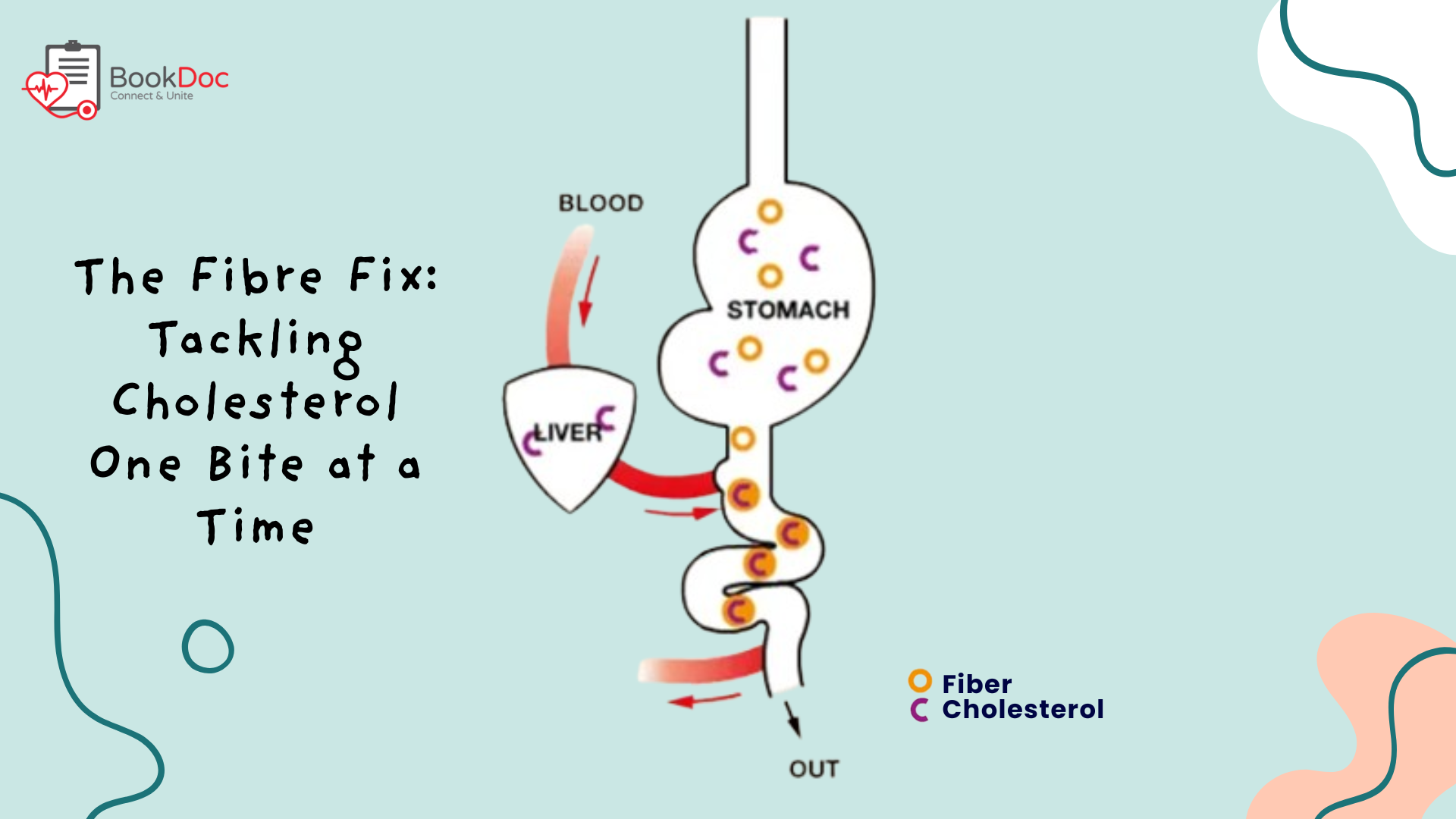
Fibre from whole grains has been shown to lower cholesterol by forming a gel-like substance in the gut that binds to cholesterol-rich bile acids. These bile acids are then excreted from the body instead of being reabsorbed. To replace them, the liver pulls cholesterol from the bloodstream to produce more bile acids, which helps naturally lower LDL (“bad”) cholesterol (Gunness & Gidley, 2010).
To boost your intake, try incorporating more of these high-fibre foods into your meals:
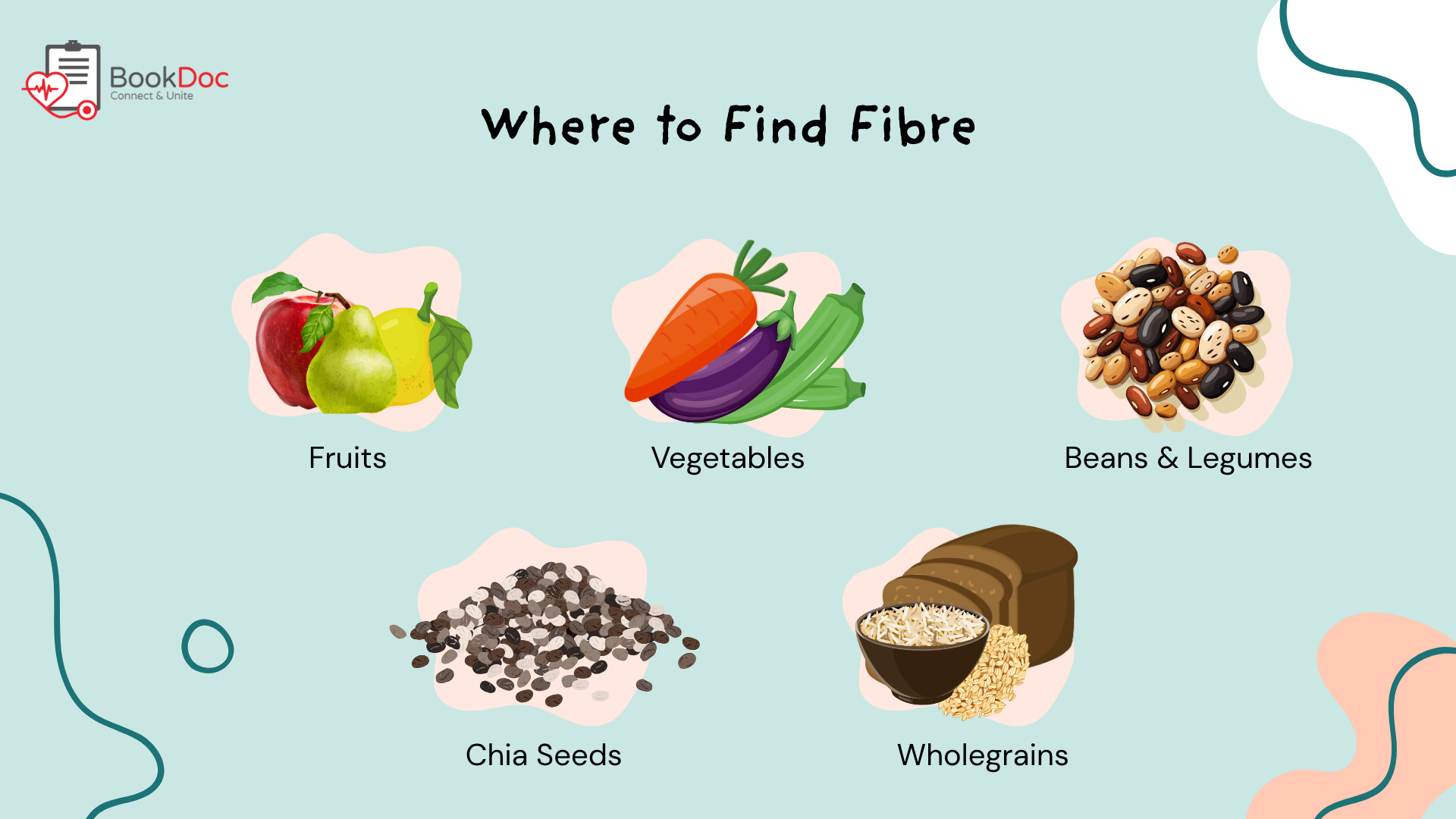
You can start by gradually increasing your fruit and vegetable intake to meet the recommended five servings a day — three servings of vegetables and two of fruit. You could also add a teaspoon of chia seeds to a glass of water or your favourite smoothie for an easy fibre boost. With time, these small actions can become second nature, effortlessly supporting healthier cholesterol levels.
2) Heart Armor: The Power of Plant Sterols & Stanols
Plant sterols and stanols are natural compounds found in small amounts in fruits, vegetables, nuts, seeds, and whole grains. When consumed in larger quantities, typically through fortified foods like milk drinks, they help reduce LDL (“bad”) cholesterol by blocking its absorption in the gut. As a result, less cholesterol enters the bloodstream, helping to lower overall LDL levels (Demonty et al., 2009).
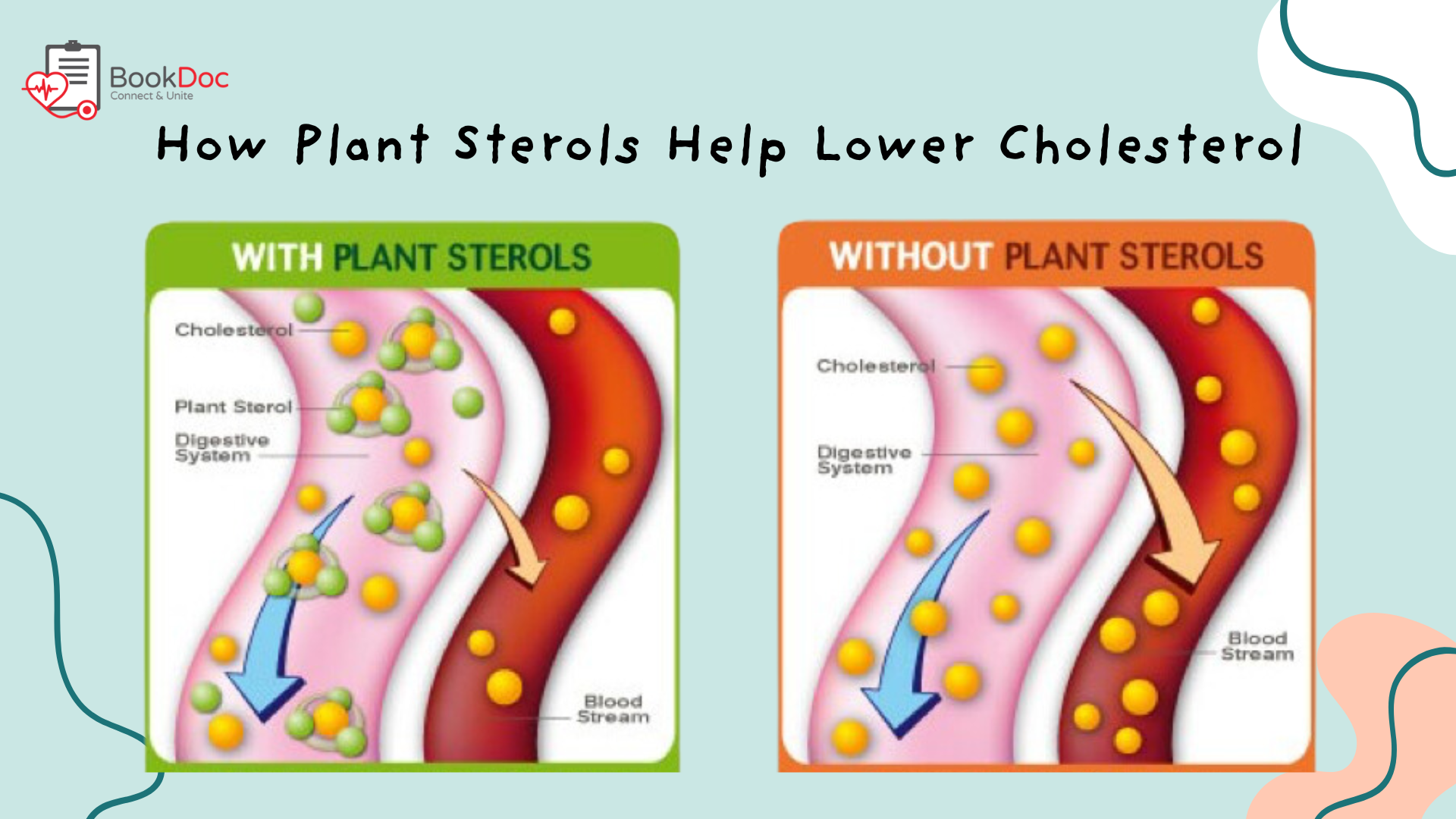
Start by looking in your local supermarket for fortified milk drinks or cereals containing plant sterols or stanols. If these aren’t available, include more nuts, seeds, and whole grains in your meals — a handful of almonds as a snack or whole-grain bread at breakfast are simple swaps that can help lower LDL cholesterol. Little by little, these small steps add up, helping to lower LDL cholesterol and supporting a healthier heart over time.
3) Heart-Smart Fats: Omega-3 in Action
Omega-3 fatty acids support heart health and can play a role in cholesterol management. While they’re especially effective at lowering triglycerides, studies show they may also reduce non-HDL cholesterol (Yan et al., 2023). You can get omega-3s from a variety of foods, including:
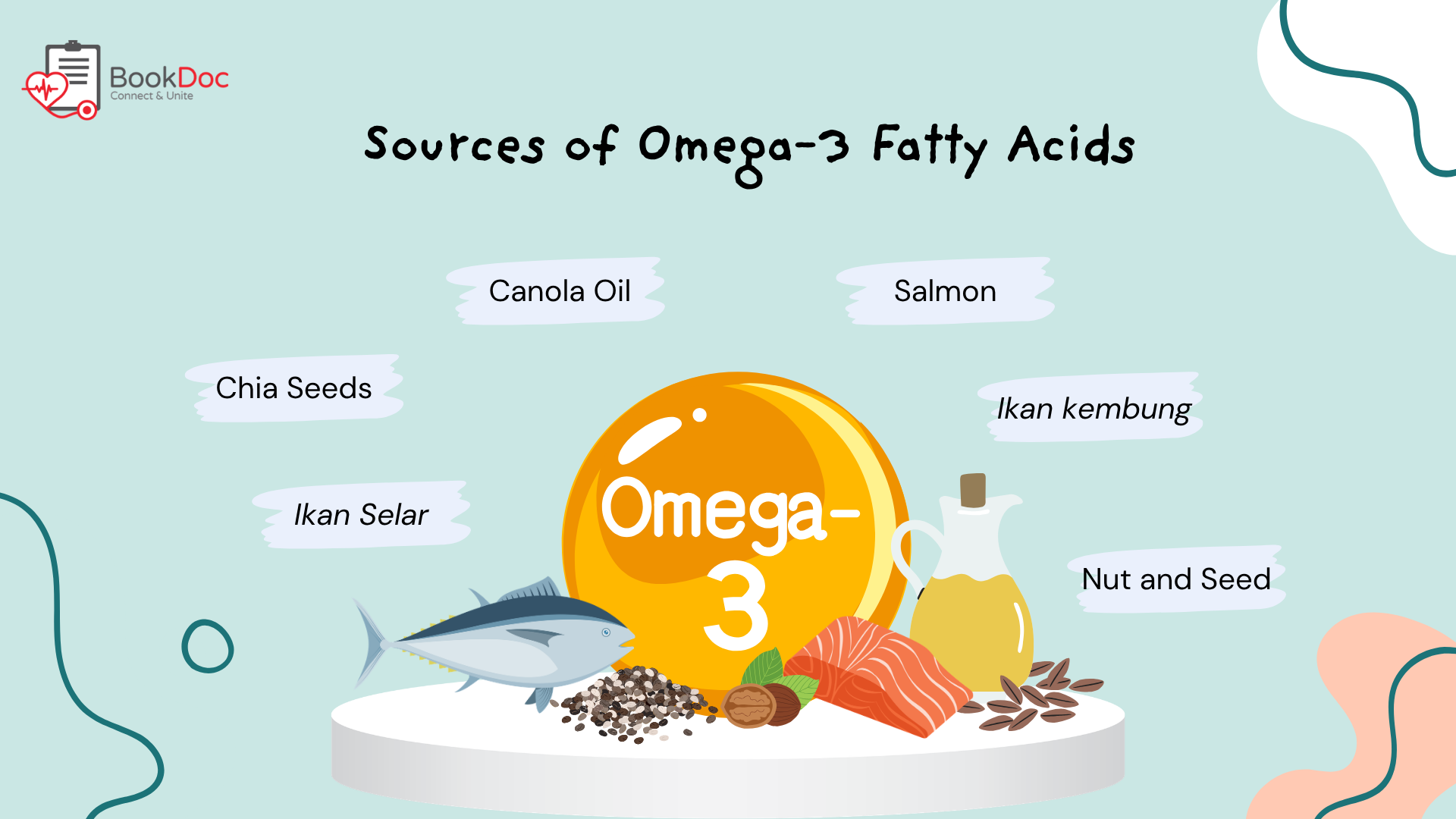
To boost your omega-3 intake, aim to eat fatty fish like salmon, ikan kembung, or ikan selar at least twice a week. You can also include plant-based sources, such as a handful of walnuts as a snack, and add chia seeds to your drinks or meals daily. Chia seeds are a true 2-in-1 powerhouse, providing both omega-3s and fibre in a single, simple addition that supports your heart.
Guard Your Heart: Foods to Keep an Eye On
Making heart-healthy choices also means cutting back on certain foods that can raise your cholesterol and increase heart disease risk. Here are some common ones to watch out for:
1) Saturated Fats: Less is More for Your Heart
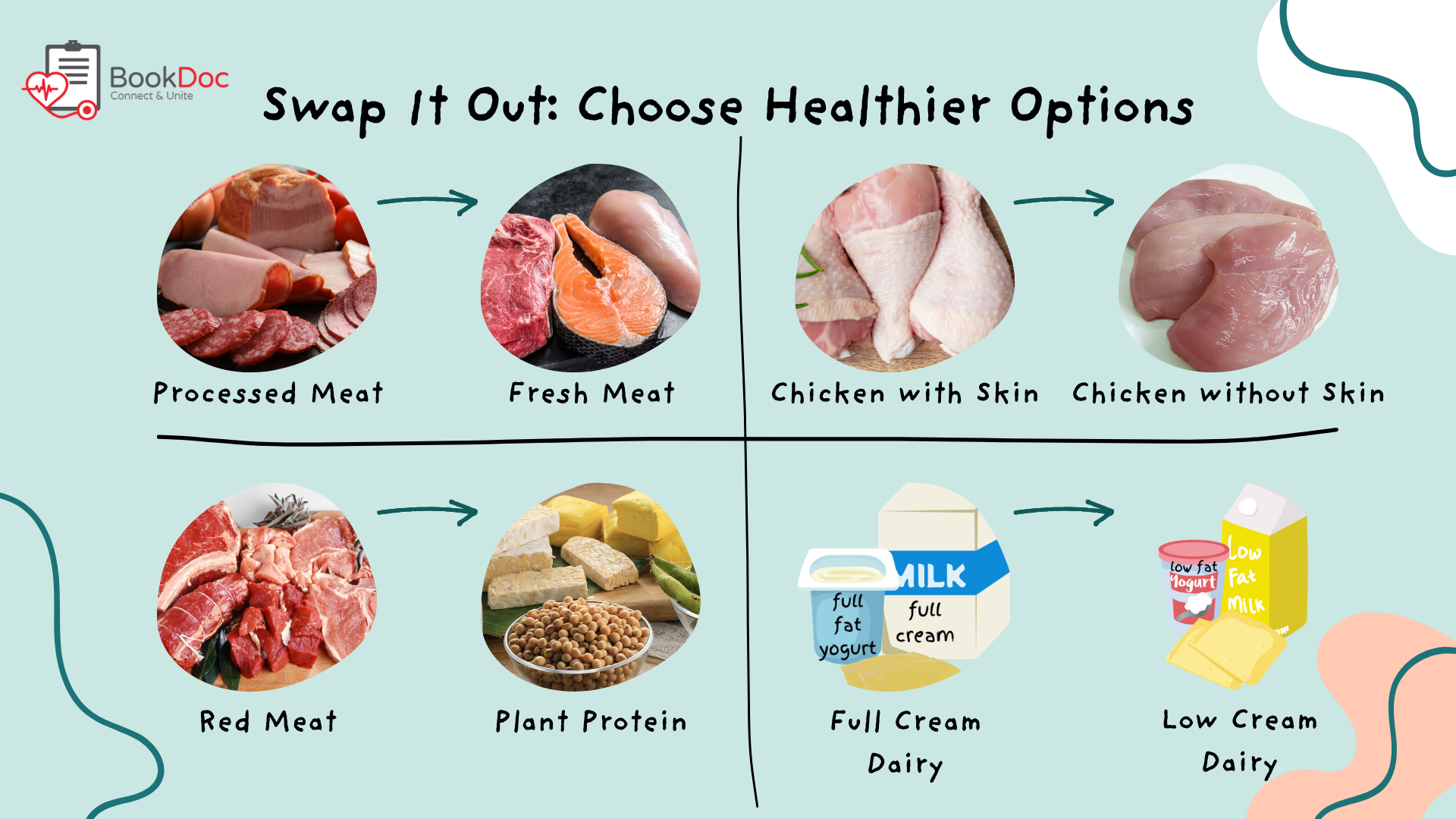
Eating too much saturated fat can raise your ‘bad’ cholesterol (LDL) levels. Over time, this can cause fatty deposits to build up in your arteries, making it harder for blood to flow properly. This increases your chances of heart problems like heart attacks and strokes (American Heart Association, 2024).
Common sources:
- Red meat
- Full-cream milk, butter, and cheese
- Coconut milk
- Processed meats (sausages, nuggets, hot dogs)
2) Trans Fats: The Sneaky Threat
Trans fats not only raise LDL cholesterol but also lower HDL cholesterol, the “good” cholesterol that helps remove LDL from the bloodstream. This double effect makes them especially harmful to heart health. They also promote inflammation and damage to blood vessels, increasing the risk of atherosclerosis (Mozaffarian, 2006).
Often hidden in:
- Deep-fried foods
- Margarine
- Pastries and baked goods
Take control today by scanning ingredient labels carefully and avoiding products with “partially hydrogenated oils.” Choose cooking methods like baking, grilling, or steaming instead of deep-frying, and swap margarine for heart-healthy oils like olive or avocado oil when consumed in moderation.
Step Up for Your Heart: Keep Moving Every Day
Regular exercise does more than build muscle — it raises HDL (“good”) cholesterol and lowers LDL (“bad”) cholesterol, helping reduce plaque buildup in arteries (Kodama et al., 2007). It also strengthens the heart and improves blood vessel flexibility, promoting better circulation and lowering heart disease risk (Green et al., 2008).
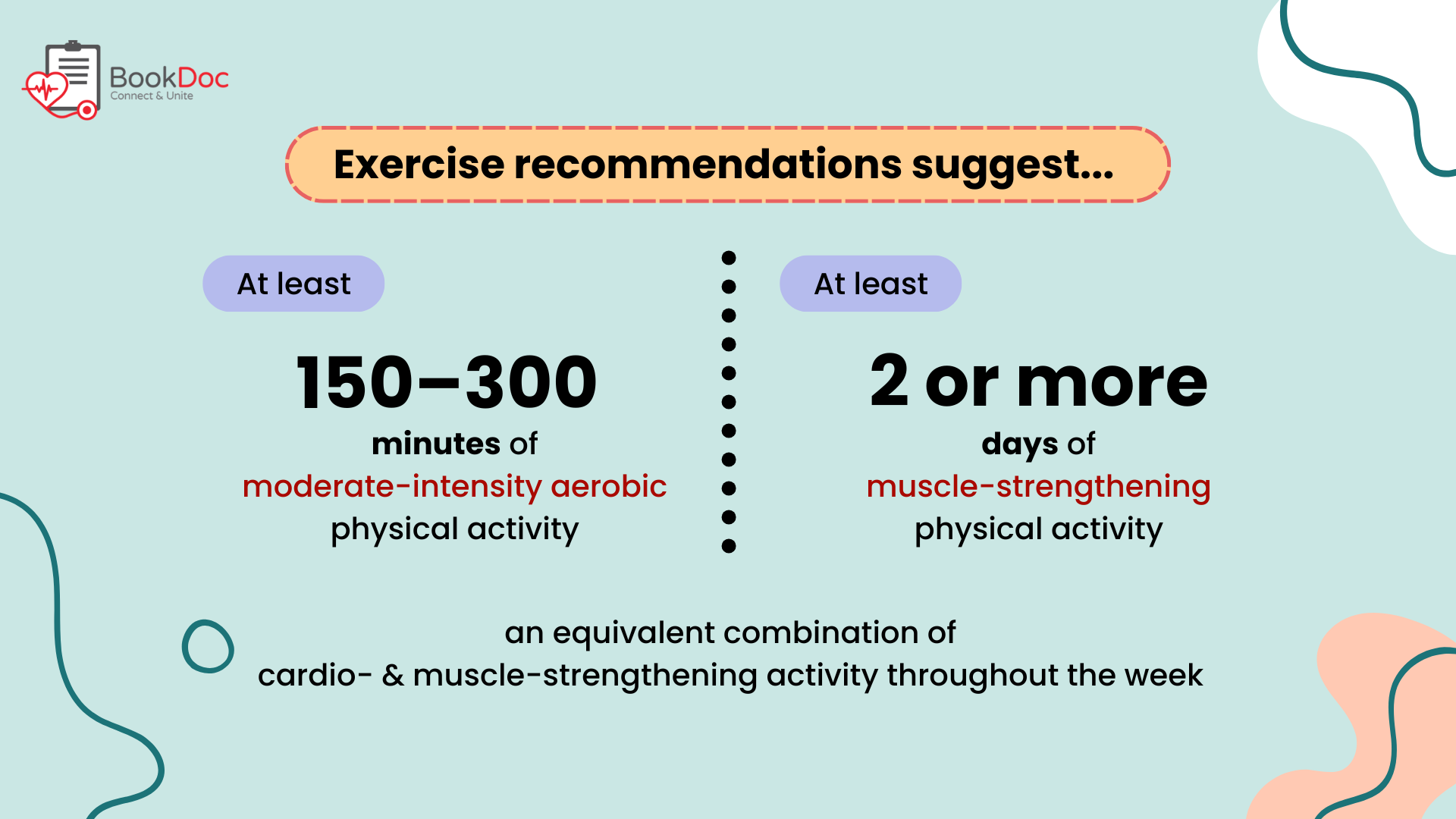
Start small today. You can try a 5-minute walk after meals or some gentle stretching in the morning. Gradually increase your activity time until you reach 30 minutes most days of the week. Every bit of movement counts toward a healthier heart!
Beyond Lifestyle: Medication May Be Needed
Sometimes, even with healthy eating and regular exercise, cholesterol levels stay high due to factors like family history, age, existing heart disease, smoking, or certain medical conditions. In these cases, your doctor may recommend medication to work along with your lifestyle changes.
Common types include:
- Statins: These lower LDL by slowing down how much cholesterol your liver makes.
- PCSK9 inhibitors: These help your liver remove more LDL from your blood.
Medication works best when paired with a balanced diet and regular physical activity. These are the areas you can actively control, and together they form a stronger, long-term plan for protecting your heart.
Managing cholesterol is a journey, not a race. Each healthy meal, every bit of movement, and every mindful choice brings you closer to a stronger, healthier heart. Begin with small, sustainable changes and build on them over time — progress is what truly matters.
Want to learn more about what high cholesterol means and how to take control? Check out: mysihatpal.com.my/heart-protected/#whatIsHighCholesterol
Written by Nutritionist Saleha
REFERENCES
- American Heart Association. (2024, August 25). Saturated fat. https://www.heart.org/en/healthy-living/healthy-eating/eat-smart/fats/saturated-fats
- Demonty, I., Ras, R. T., van der Knaap, H. C. M., Duchateau, G. S. M. J. E., Meijer, L., Zock, P. L., Geleijnse, J. M., & Trautwein, E. A. (2009). Continuous dose–response relationship of the LDL-cholesterol-lowering effect of phytosterol intake. The Journal of Nutrition, 139(2), 271–284. https://doi.org/10.3945/jn.108.095125
- Gunness, P., & Gidley, M. J. (2010). Mechanisms underlying the cholesterol-lowering properties of soluble dietary fibre polysaccharides. Food & Function, 1(2), 149–155. https://doi.org/10.1039/c0fo00080a
- Green, D. J., O’Driscoll, G., Joyner, M. J., & Cable, N. T. (2008). Exercise and cardiovascular risk reduction: time to update the rationale for exercise? Journal of Applied Physiology, 105(2), 766-768
- Kodama, S., Tanaka, S., Saito, K., et al. (2007). Effect of aerobic exercise training on serum levels of high-density lipoprotein cholesterol: a meta-analysis. Archives of Internal Medicine, 167(10), 999–1008.
- Mozaffarian, D., Katan, M. B., Ascherio, A., Stampfer, M. J., & Willett, W. C. (2006). Trans fatty acids and cardiovascular disease. New England Journal of Medicine, 354(15), 1601–1613.
- Yan, J., Wang, L., Wei, S., Zhang, X., Sun, X., & Chen, W. (2023). Association between omega‐3 fatty acid intake and dyslipidemia: A continuous dose–response meta‐analysis of randomized controlled trials. Journal of the American Heart Association, 12(6), e029512. https://doi.org/10.1161/JAHA.123.029512
- Williamson, L. (2023, June 30). Are you getting enough omega-3 fatty acids? American Heart Association. https://www.heart.org/en/news/2023/06/30/are-you-getting-enough-omega-3-fatty-acids