







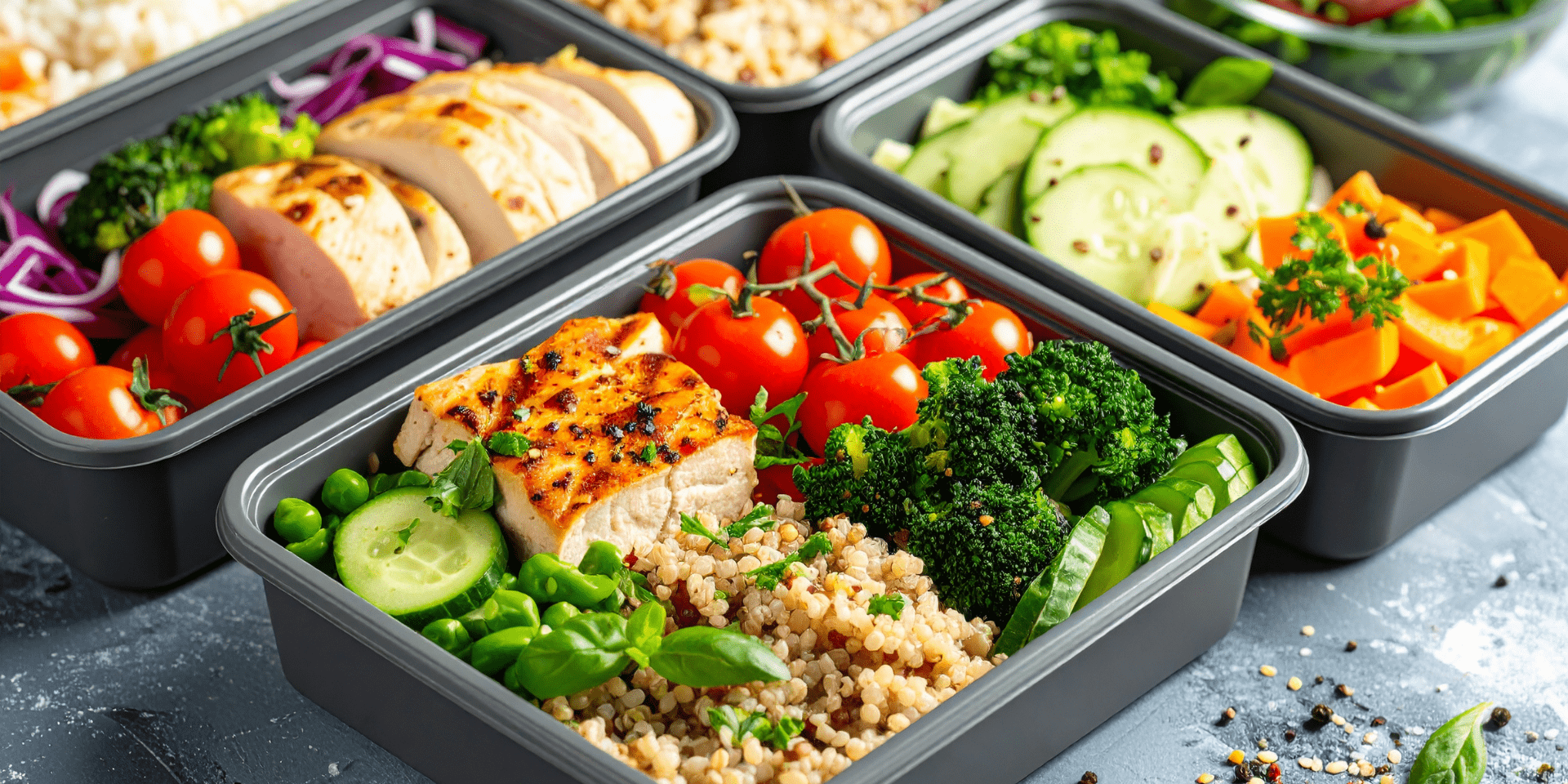
When we search for “meal plans,” most results are Western-based recipes, foods that may feel unfamiliar, hard to prepare, or simply not part of our daily routines. For many of us, this makes meal planning feel overwhelming, and it’s easier to avoid it altogether.
Let’s change that. Start the year strong with meals that energise and nourish you, using simple Malaysian food ideas that fit your lifestyle. Even on busy days, you can enjoy balanced and satisfying Malaysian meals.
The good news? Eating well doesn’t have to mean complicated recipes, strict diets, or giving up your favourite foods. With a bit of planning, you can enjoy balanced meals every day, manage portions easily, shop efficiently, and maintain steady energy levels. After a season of festive indulgence, simple meal planning can help reset your routine and support long-term health without added stress.
Why Meal Planning Matters
Meal planning is not about perfection, it’s about preparation. When meals are planned ahead:
- You’re less likely to skip meals or grab fast food
- Portions are easier to manage
- Grocery shopping becomes more efficient
- Energy levels remain more stable throughout the day
Meal Planning Tips That Actually Work
1.Start small
Plan meals for 2–3 days at a time. Trying to do it for a whole week can feel overwhelming.
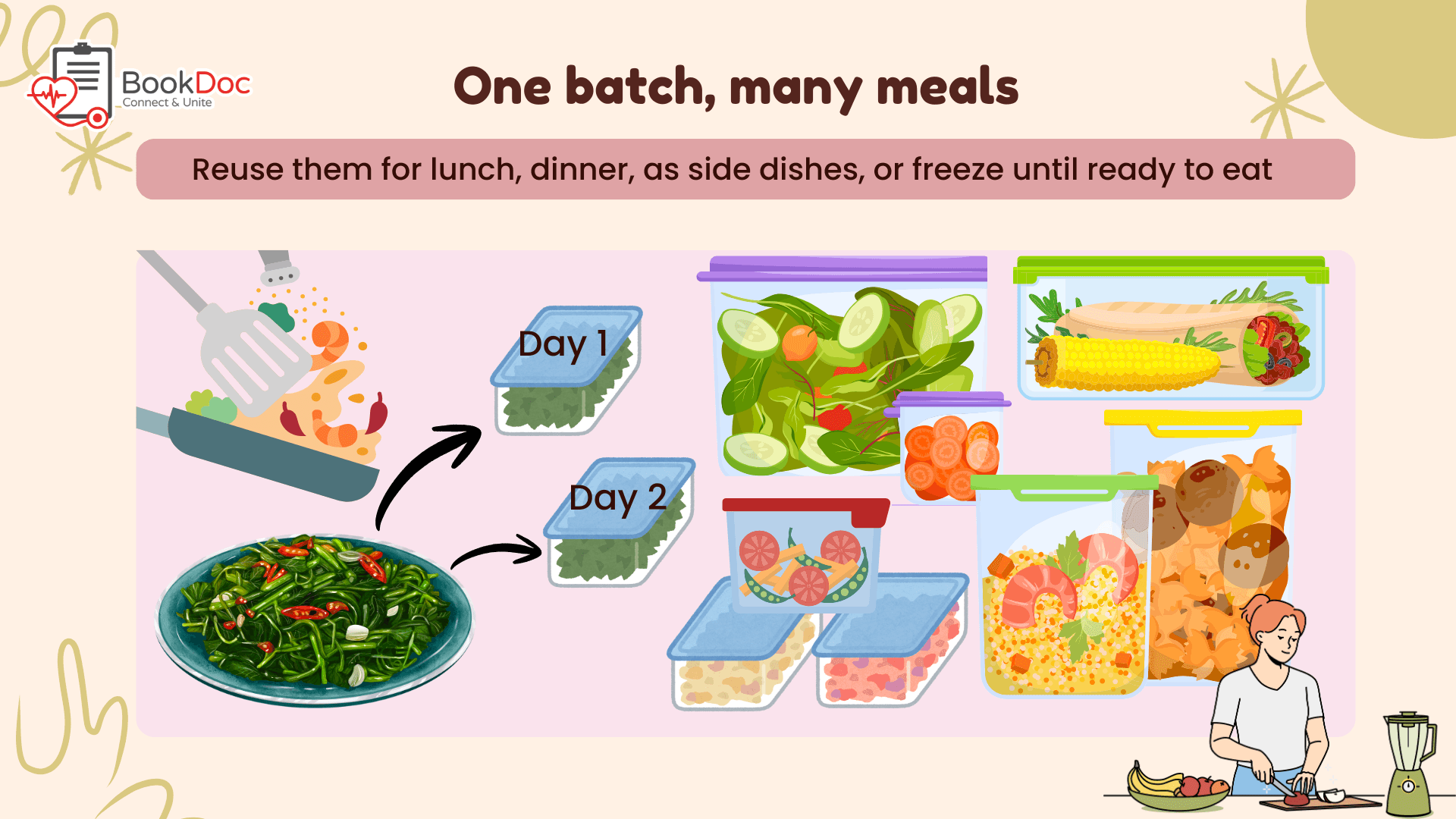
2.Batch prep for the week
Prep smart: chop and cook your vegetables as well as proteins in bulk, and pack them into grab-and-go containers for stress-free meals all week.
3.Mix-and-match ingredients
Cook proteins and vegetables that can be reused in different meals. For example, grilled chicken can go in a rice bowl, wrap, or salad.
4.Portion with Suku-Suku Separuh
After preparing your ingredients, use this simple, flexible structure to maintain portion control:
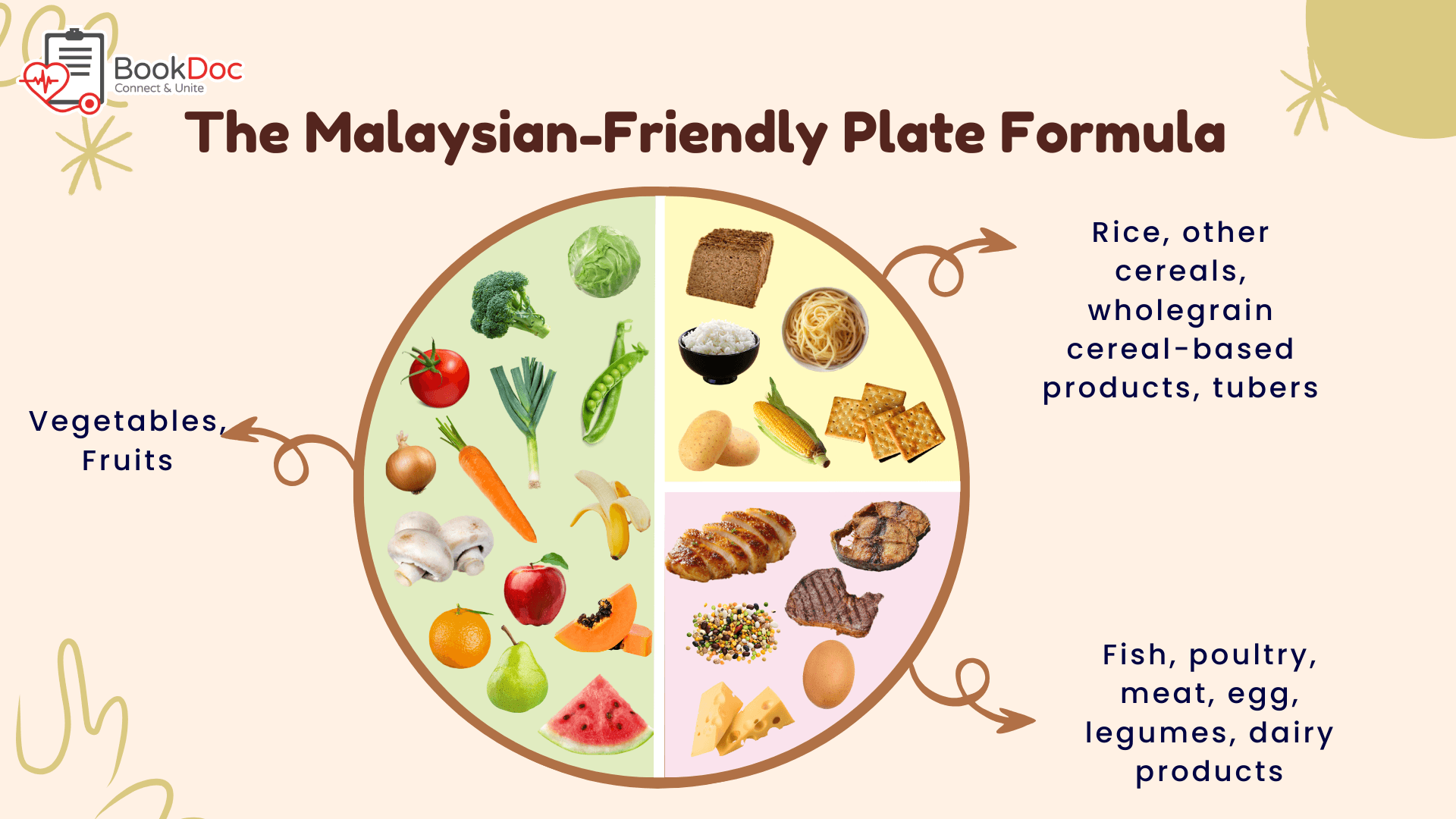
This approach keeps meals balanced, satisfying, and familiar, while still making healthy choices easy.
Once your plate is portioned, the next step is to make vegetables the star of your meals.
Research shows that 83–88% of Malaysians do not eat enough vegetables, so with the new year upon us, why not make a change? Even small additions can significantly boost nutrition, make your meals more colourful, tasty, and energising, and help make healthy eating achievable every day.
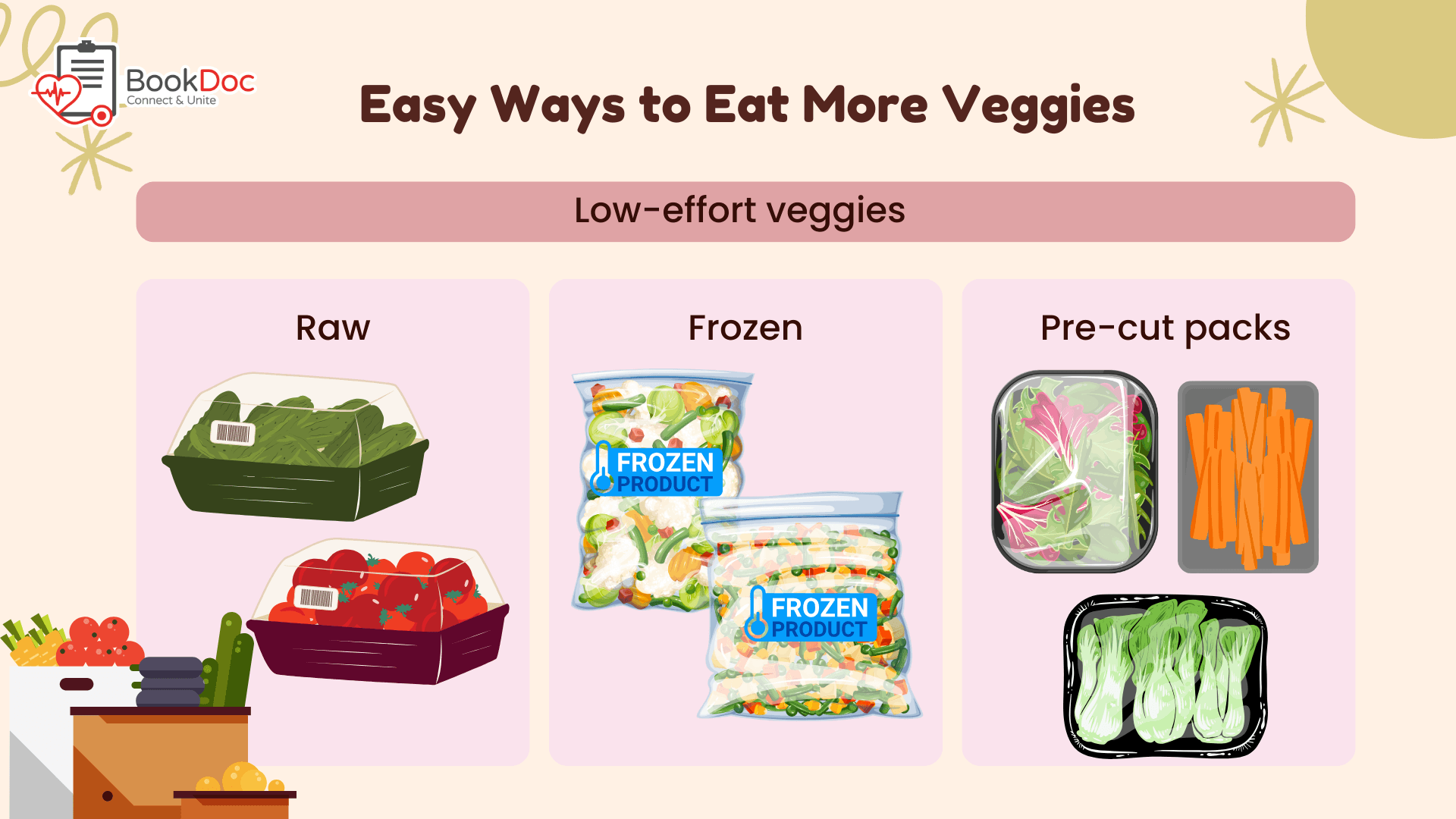
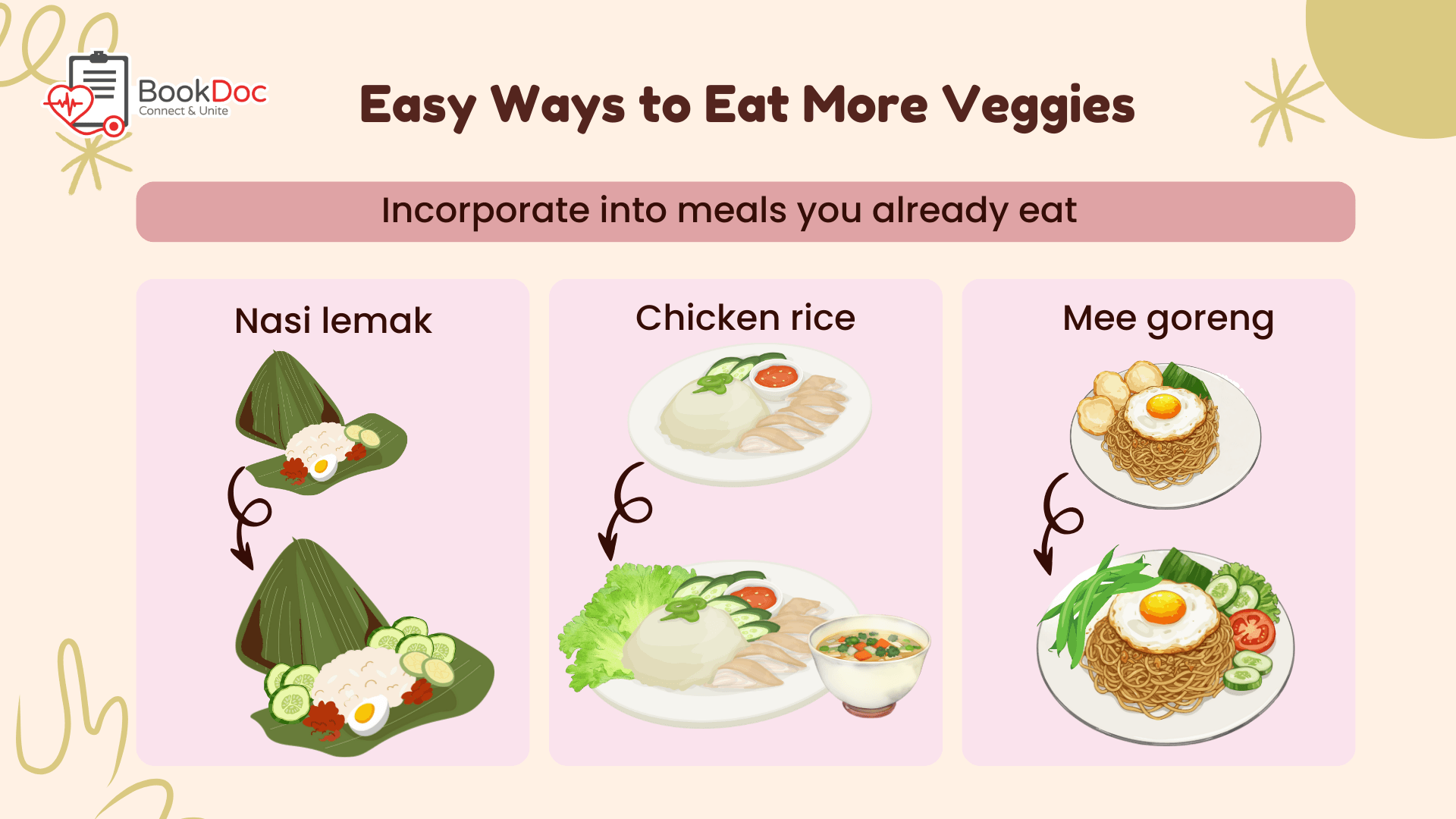
5.Boost Your Plate: Easy Ways to Eat More Veggies
Vegetables don’t have to be complicated or time-consuming:
6.Repeat Simple Meals
Breakfast and lunch don’t need variety every day. Simple, balanced Malaysian meals work perfectly:
- Breakfast: nasi lemak with extra cucumber and boiled egg, soft-boiled eggs with wholegrain toast, or porridge with chicken and greens.
- Lunch & Dinner: chicken rice with soup sayur, mee goreng with sawi or kobis, nasi kerabu with grilled fish, or nasi campur with a variety of vegetables and protein.
Repeating these meals is practical, satisfying, and keeps healthy eating stress-free, even on busy days.
7.Plan for reality, not perfection
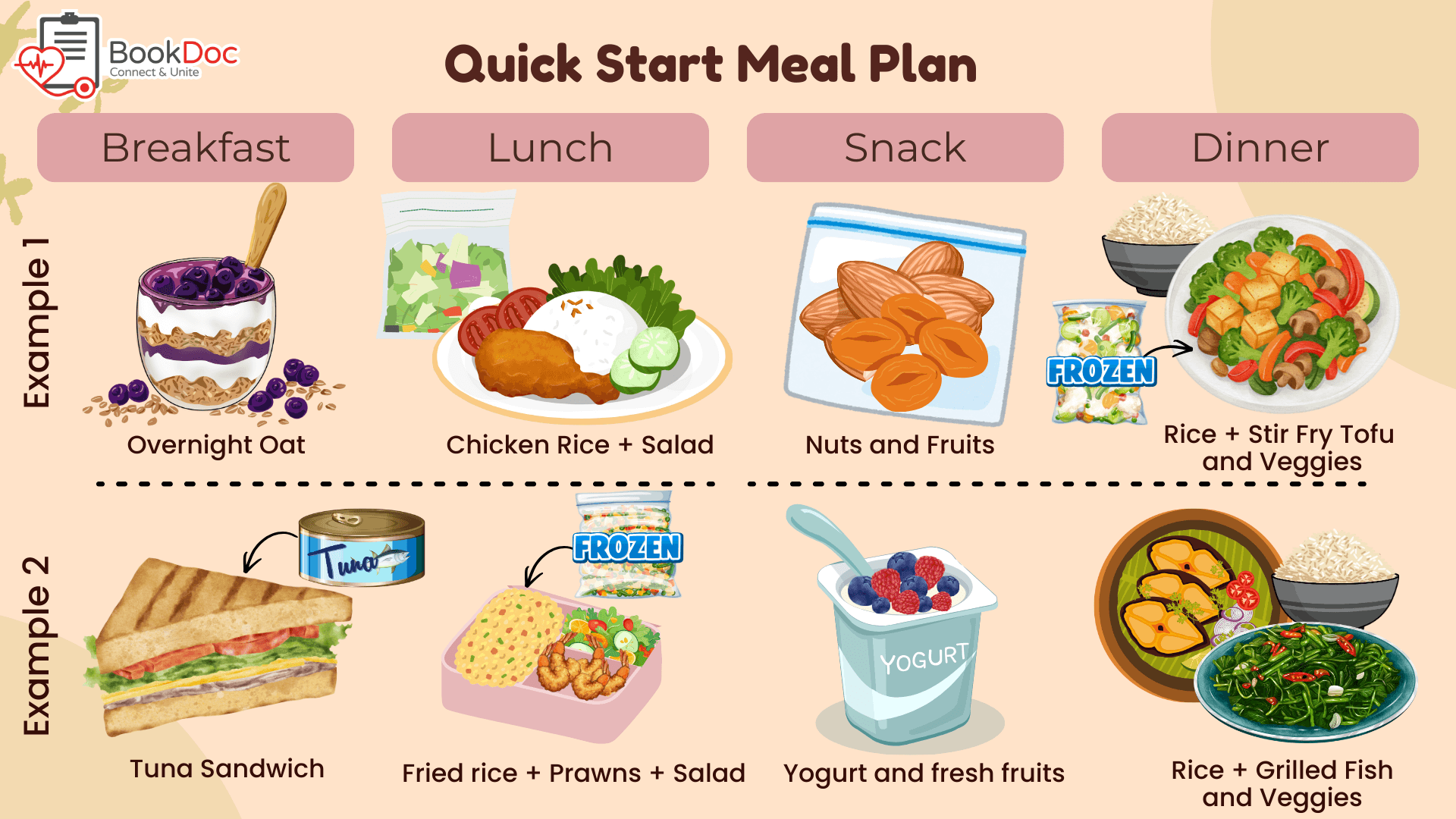
Keep easy backup meals: frozen vegetables, canned tuna or beans, boiled eggs, or dhal. These make healthy eating achievable even on your busiest days.
This makes sticking to balanced meals effortless.
Here are some ideas to get you started with a quick and easy meal plan:
Healthy Eating Is a Skill, Not a Resolution
January is the perfect time to reset, but lasting health comes from consistent habits, not temporary resolutions. Meal planning doesn’t require extreme diets or unfamiliar Western recipes. It’s about making healthy choices simple, practical, and suited to your everyday meals.
Even small steps, like adding a portion of vegetables to lunch, prepping protein in advance, or keeping a backup meal ready, can make meal planning manageable and significantly improve energy, focus, and well-being. By keeping it easy and culturally familiar, healthy eating can fit seamlessly into your busy workdays.