



Be honest — when you hear the word snack, do you feel a little guilty?
Maybe it’s the chips during Netflix time.
The biscuit at your work desk.
Or that “just one bite” that somehow turns into many.
Snacking has become part of our daily routine — but it’s often blamed for weight gain and poor eating habits.
So… is snacking really the problem?
Not exactly.
Snacking isn’t bad — but mindless snacking is.
Why Mindful Snacking Matters
Snacking can be a helpful part of a healthy eating routine when done mindfully. It can:
- Prevent extreme hunger that leads to overeating during meals – it may cause you to miss out the fullness cue!
- Support your daily energy needs, especially if you’re very active
- Improve your workout performance and recovery
- Boost your nutrient intake when you choose whole foods fresh fruits, nuts, or yoghurt
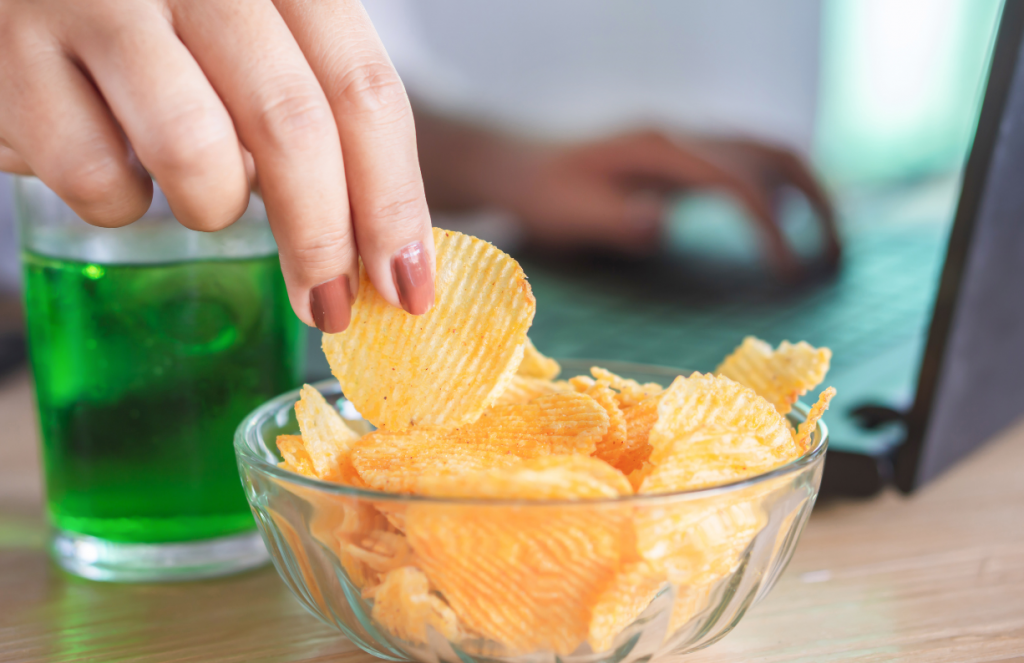
But trouble begins when we snack out of boredom, stress, or while scrolling our phones. These can easily lead you to:
- Eat more than we actually need
- Reaching for processed, sugary, or highly processed snacks
- Losing touch with hunger and fullness cues
And here are a few mindful snacking tips:
- Before grabbing a snack, pause and ask yourself — “Am I really hungry, or just bored?”
- Portion snacks instead of eating straight from the packet
- Turn off the distractions — be present while eating
Why Eating the Wrong Snacks Can Ruin Weight Loss
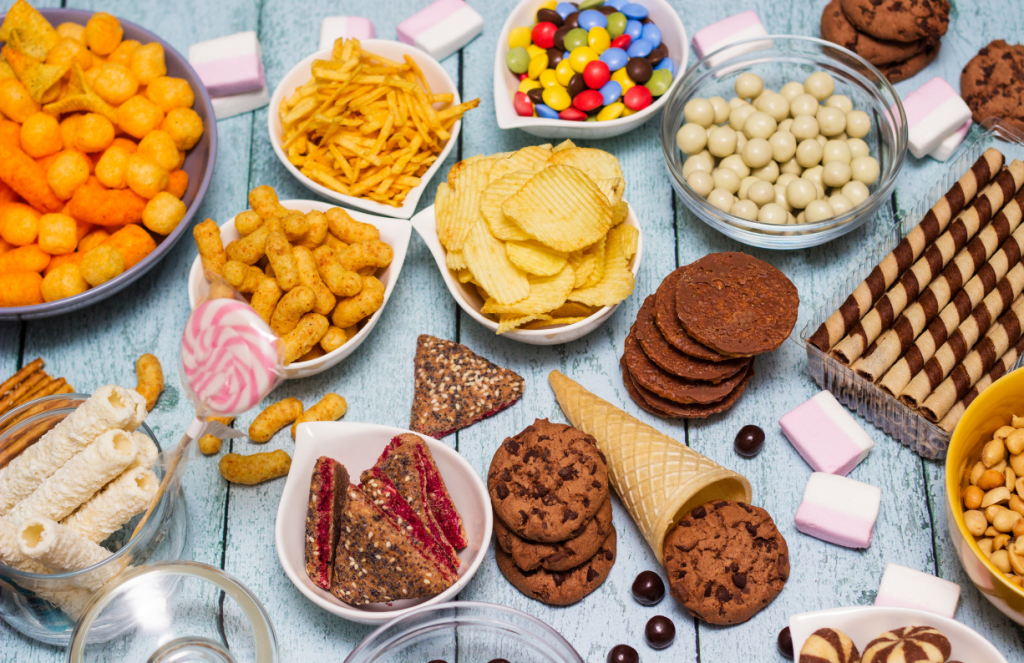
A group of different types of snacks
AI-generated content may be incorrect.
It’s not just about snacking — it’s about what you’re snacking on.
Without you paying attention, many packaged snacks are high in calories, sugar, and fat, but low in the nutrients that help you feel full — like protein and fibre. The result? You eat more, feel hungry sooner, and struggle to manage your weight.
Let’s look at a simple comparison:
- Flavoured yoghurt Vs. Greek Yoghurt


Flavoured yoghurt often contains added sugar and less protein due to the straining processes. Greek yoghurt, on the other hand, has more protein and less sugar, helping you stay full longer.
2. Potato chips Vs. Greek yoghurt + fruits

Chips are high in fat and salt but low in nutrients — what we call “empty calories”. Greek yoghurt with fruit gives you protein, fibre, and lasting energy.
Key takeaway:
❌ Avoid snacks high in sugar and low in nutrients
✅ Go for options rich in protein and fiber to support weight goals and control cravings
Weight-Loss Friendly Snacks That Actually Satisfy
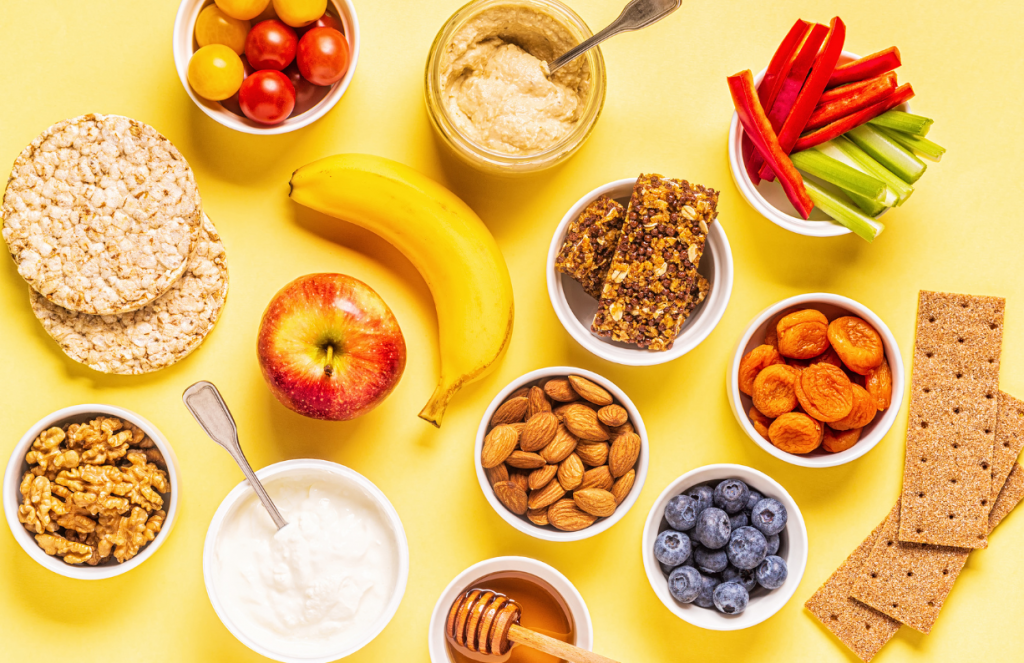
Struggling with hunger makes your fat-losing progress harder. The key point is to choose the right ones instead:
- Focusing on increasing your fullness – so it should be high protein and fibre rich
- Moderate in calories – 150-250 kcal per serving
(equivalent to an apple, 1 tablespoon of peanut butter, and a string cheese with 6 whole grain crackers)
- Minimally processed – so they tend to low in added sugar, saturated fat, and sodium
Hence, here is the list you can choose from that are protein-based, fibre-rich, and low-calorie:

Craving something sweet? Try a banana + low-fat milk or soymilk smoothie (add a pinch of cinnamon if you like) or simply steamed sweet potatoes/potatoes
Prefer something savory? 1 slices of cheddar cheese on a slice of multigrain toast are a good pick.
Need a grab-and-go snack? Nuts, boiled eggs, or roasted chickpeas work great.
⚠️ Even healthy snacks can add up. Moderation is still key.
When Is the Best Time to Snack?
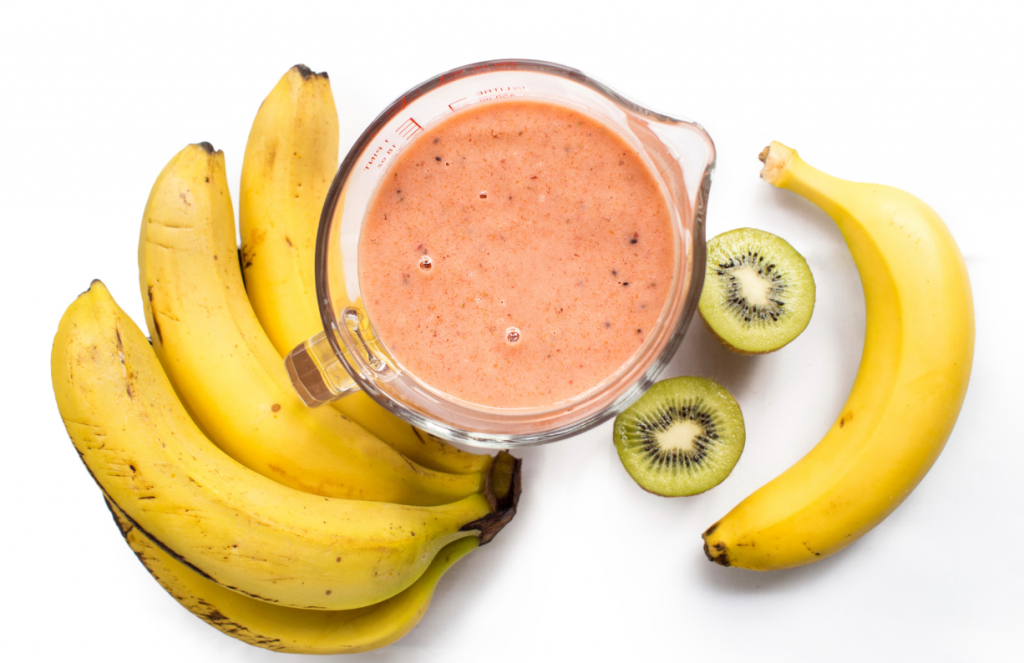 Now we know what we can snack on, but when?
1. Pre- or post-workout
Eating before or after a workout depends on the activity. If you’re doing a high-intensity or long workout, a light pre-exercise snack can fuel your session and improve performance.
Likewise, refueling after exercise helps with recovery and muscle repair.
✅ Snack 30–60 minutes before workouts: Choose something easy to digest
✅ After workouts: Include protein and carbs to aid recovery
2. Between meals
Snacking during mid-morning or mid-afternoon can help prevent overeating at the next meal to avoid extreme hunger. When you are extremely hungry, it is easy to ignore the fullness cues and not getting satisfied.
3. When you’re truly hungry
When you feel true hunger – not thirst, boredom, or being emotions, you should eat some snacks to prevent stomach-ache or feeling discomfort in your gut.
Hunger isn’t always about food — sometimes it’s boredom, emotions, or even dehydration. Tune in to your body. If it’s genuine hunger, don’t wait — grab a smart snack.
Your Smart Snacking Summary
✅ Pair protein with fibre or healthy fat
✅ Prepare snacks in advance to avoid impulse choices
✅ Check in with yourself while snacking — are you actually still hungry?
Diet Your Way’s role – offering healthy snack options
At Diet Your Way, we take the guesswork out of snacking. Our calorie-controlled, protein-rich snack options are designed to keep you full, energized and motivated, so you can enjoy your day without compromising your weight goals.
Staying on track feels effortless and you can make mindful snacking a part of your lifestyle — all while feeling good about what you eat.
Snack your way to a healthier you — the enjoyable way.
To support your weight-loss journey, Diet Your Way meals are now available with an exclusive 22% discount for BookDoc users. Simply use the promo code BOOKDOC22 at checkout.
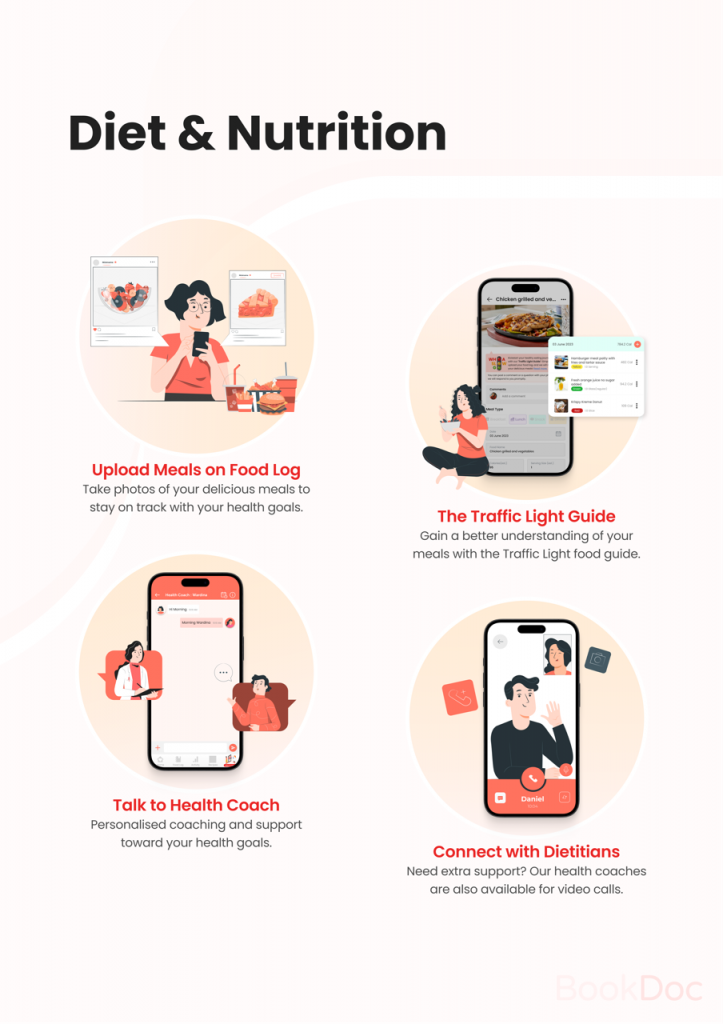
You can also download the BookDoc app to upload your meals, track calories, and monitor your daily intake — making mindful eating and smarter snacking even easier to maintain.
Small tools, simple habits, and the right food choices can make a big difference over time.
References
1. Lang, A. (2020, June 22). What’s the Difference Between Greek and Regular Yogurt? (N. Butler, Ed.). Healthline. https://www.healthline.com/nutrition/greek-yogurt-vs-yogurt#nutrients
2. Semeco, A. (2022, November 21). When and What to Eat Before a Workout (J. Meacham, Ed.). Healthline. https://www.healthline.com/nutrition/eat-before-workout#what-to-eat
3. The Nutrition Source. (2021, February 18). The Science of Snacking. The Nutrition Source. https://nutritionsource.hsph.harvard.edu/snacking/