






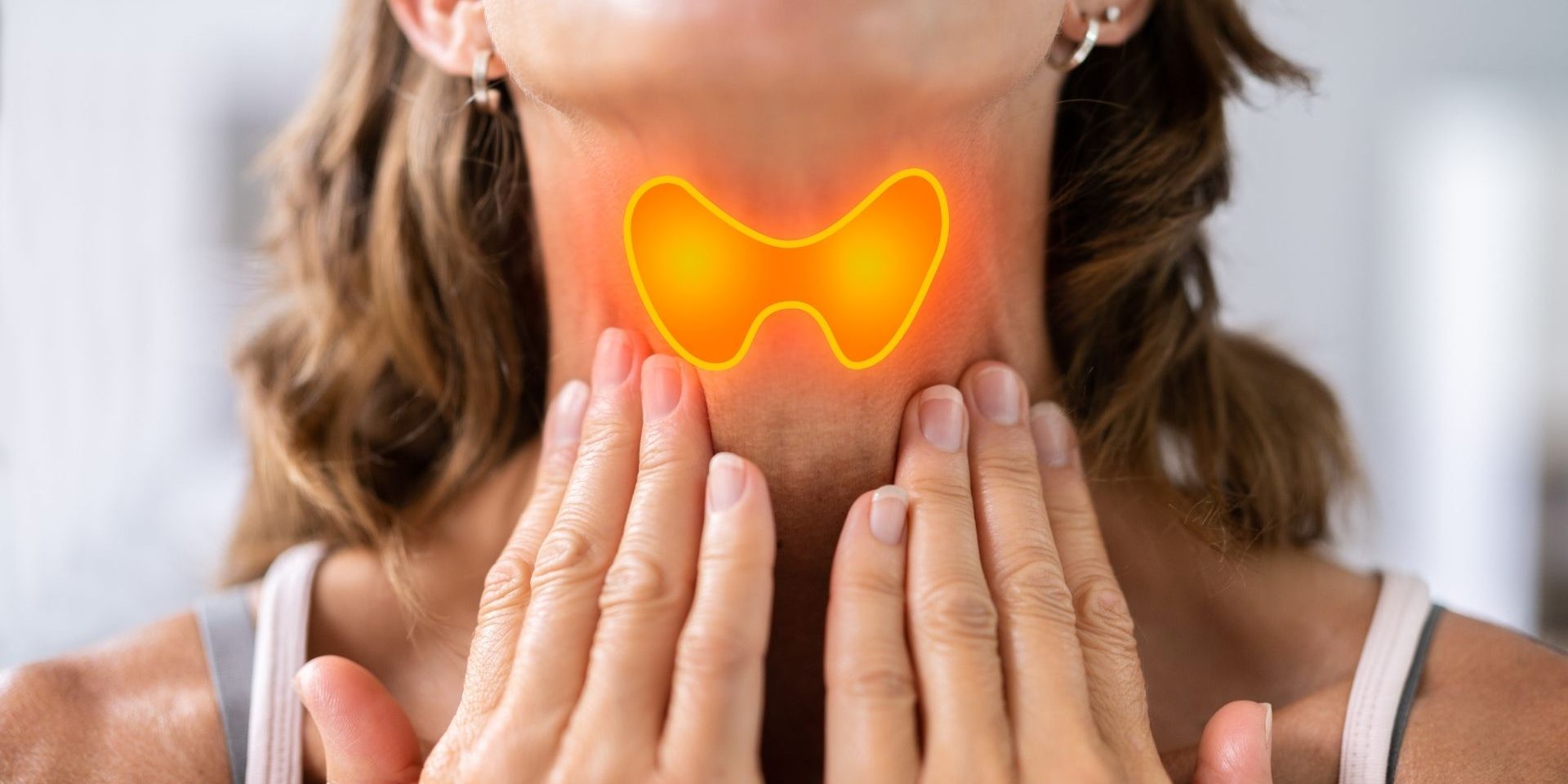
Feeling constantly drained, even after a full night’s sleep? Or noticing unintentional weight loss despite a normal or even increased appetite? It’s tempting to blame stress or a busy schedule, but sometimes, the culprit is your thyroid. Did you know a tiny, butterfly-shaped gland in your neck plays a major role in how energetic, focused, and balanced you feel every day?
January is Thyroid Awareness Month, a great reminder to learn how this gland works, recognize warning signs early, and understand how nutrition can support thyroid health.
Your Body’s Energy Controller: What the Thyroid Actually Does
Your thyroid produces hormones that control your body’s metabolism, essentially how your body uses energy (1).
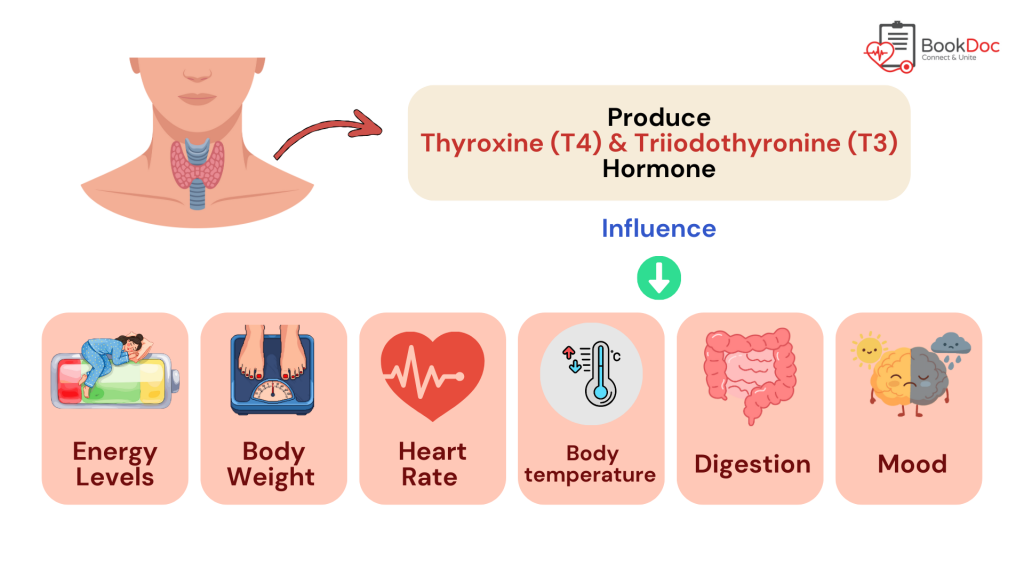
When thyroid hormones are out of balance, your whole system can feel “off”.
When Your Thyroid Is Out of Sync
Hypothyroidism
This happens when the thyroid doesn’t produce enough hormones, and metabolism slows down.
You may notice (1):
- Feeling tired all the time
- Weight gain despite eating the same
- Feeling cold easily
- Constipation
- Dry skin or hair
- Low mood
This condition is common and treatable, usually diagnosed through blood tests and managed with medication prescribed by a doctor.
Hyperthyroidism
This is the opposite problem, where too much thyroid hormone, and metabolism speeds up.
Possible symptoms include (1):
- Fast heartbeat or palpitations
- Unintentional weight loss
- Feeling anxious or restless
- Heat intolerance
- Tremors
Medical treatment, such as medications for mild cases and radioactive iodine therapy or surgery for long-term control, is essential to prevent complications.
Food Can’t Cure — But It Can Support
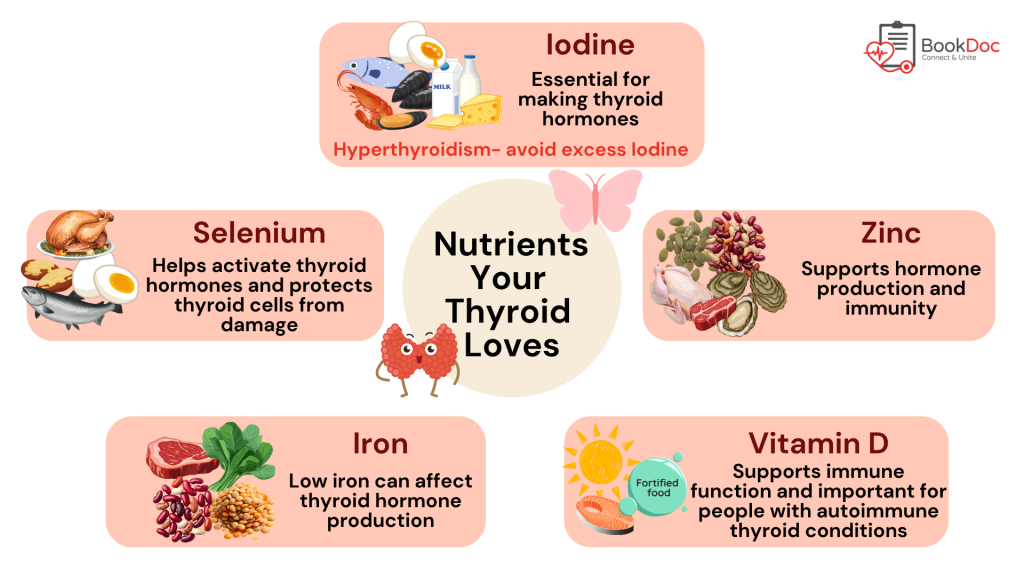
Nutrition cannot replace medical treatment, but the right foods can (2,3):
- Support thyroid hormone production
- Help reduce fatigue and symptoms
- Improve overall energy and metabolism
- Support immune health (especially important for autoimmune thyroid conditions)
Think of nutrition as supportive care, not a cure.
How to Eat for a Happy Thyroid
You don’t need a “special diet”, just a balanced, nutrient-dense approach:
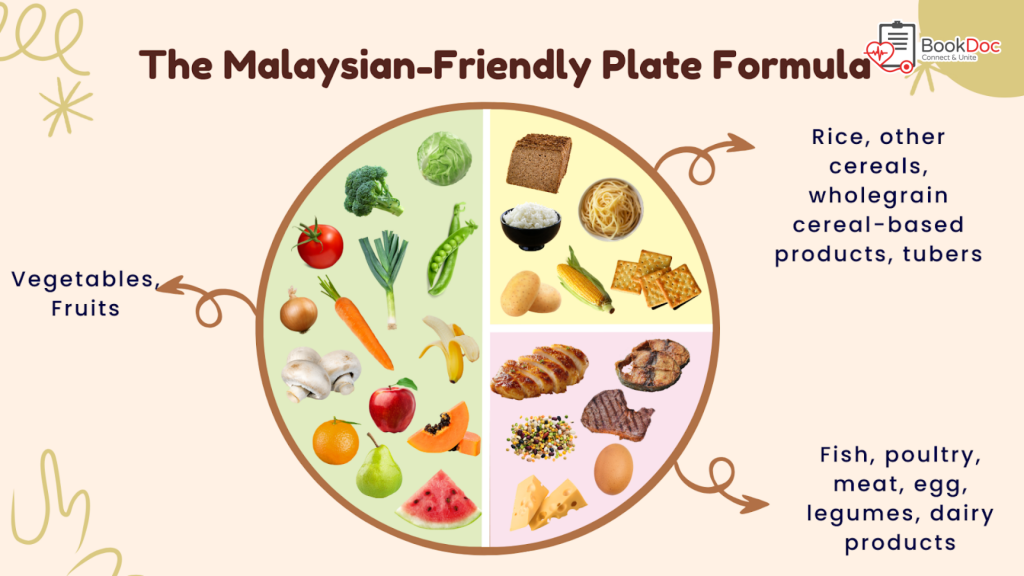
This helps stabilize energy, digestion, and weight, areas commonly affected by thyroid imbalance.

Lifestyle Still Matters
Along with good nutrition:
Stay physically active
Regular movement supports thyroid function, metabolism, and overall energy. You don’t need a gym membership. Aim for at least 30 minutes a day of moderate activity, such as brisk walking, cycling, climbing stairs, or even doing household chores actively. Incorporating strength training 2 to 3 times a week can also help maintain muscle mass and boost metabolism.
Manage stress
Chronic stress can affect hormone balance, including thyroid hormones. Simple stress management techniques include deep breathing exercises, meditation, yoga, journaling, or spending time in nature. Even short breaks during the day to stretch or breathe deeply can help reduce stress levels.
Get enough sleep
Sleep is vital for hormone regulation and energy restoration. Aim for 7 to 9 hours of quality sleep per night. Tips to improve sleep include keeping a regular sleep schedule, reducing caffeine late in the day, limiting screen time before bed, and creating a calm, dark, and cool sleeping environment.
Go for regular medical follow-ups
Routine check-ups help catch thyroid issues early and ensure proper treatment if needed. This can include blood tests to check thyroid hormone levels, discussing any changes in weight or energy with your doctor, and reviewing medications if you have an existing thyroid condition. Keeping track of symptoms and sharing them with your healthcare provider can make a big difference in managing thyroid health.
Final Takeaway
Your thyroid may be small, but its impact is huge. Thyroid Awareness Month reminds us that early detection, proper medical care, and supportive nutrition can make a meaningful difference in quality of life.
If you suspect symptoms or already have a thyroid condition, work with your healthcare provider and let food and lifestyle be your supportive allies.
Reference:
1. Shahid, M. A., Ashraf, M. A., & Sharma, S. (2025). Physiology, thyroid hormone. In StatPearls [Internet]. StatPearls Publishing. https://www.ncbi.nlm.nih.gov/books/NBK500006/
2. Shulhai, A.‑M., Rotondo, R., Petraroli, M., Patianna, V., Predieri, B., Iughetti, L., Esposito, S., & Street, M. E. (2024). The role of nutrition on thyroid function. Nutrients, 16(15), 2496. https://doi.org/10.3390/nu16152496
3. van der Gaag, E., van der Palen, J., Schaap, P., van Voorthuizen, M., & Hummel, T. (2020). A lifestyle (dietary) intervention reduces tiredness in children with subclinical hypothyroidism: A randomized controlled trial. International Journal of Environmental Research and Public Health, 17(10), 3689. https://doi.org/10.3390/ijerph17103689