









In a world filled with chatter and noise, sometimes our own voices can be drowned out by the opinions, expectations and judgements of those around us. We go about our daily routines and responsibilities as usual. We show up for work, meet our commitments, interact with others and carry on with our day. Yet beneath the surface, there may be struggles that others cannot see.
At times, silence feels safer than being misunderstood. Perhaps we tell ourselves that we should be able to handle it on our own. Or perhaps we simply don’t want to be seen differently because of what we are going through.
And sometimes, it begins with two simple words:
“I’m fine.”
Because saying “I’m fine” can feel easier than saying “I’m struggling.”
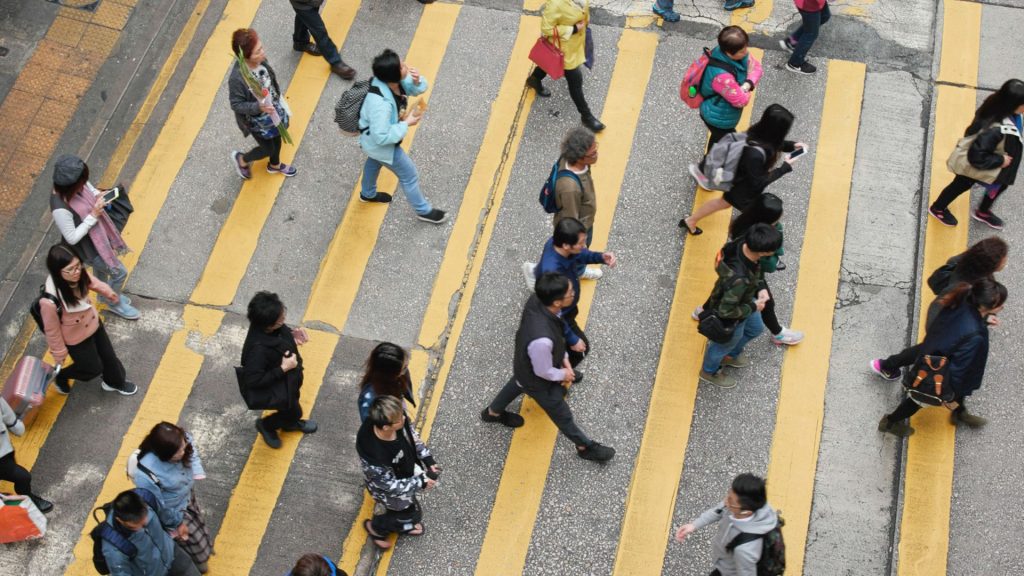
But behind those words, there may be a story that we cannot see. A story of someone trying to cope, someone who may be afraid to speak up or simply someone who doesn’t know how to ask for help.
Perhaps it’s time for us to create more space for these stories to be heard. To recognise that “I’m struggling” does not mean that we are weak, and reaching out does not mean that we have failed.
Yet, even when we begin to understand the importance of speaking up, the fear of being judged can still hold us back. This is where stigma comes in.
Stigma refers to the negative attitudes, assumptions and judgements people may hold towards someone because of their mental health struggles. It can influence how we see others, how we respond to their experiences and even how comfortable we feel opening up about our own.

Where does this stigma come from in the first place?
Often, stigma isn’t born from one single source. It can be shaped by what we hear, what we see, what we have been taught and the beliefs we develop about mental health over time.
Sometimes, it comes from fear or discomfort. We may not know what to say, how to respond or how to talk about something that feels unfamiliar. And sometimes, the stigma we experience from others can become something we internalise.
Over time, the messages and judgements we hear from those around us can shape the way we see ourselves and our own struggles.
Perhaps we’ve heard things like:
“You just need to be stronger.”
“Other people have it worse.”
“Don’t be so sensitive.”
“You should be able to handle this yourself.”
And over time, these messages can become the things we tell ourselves.
“Maybe I’m overreacting.”
“It’s not serious enough to ask for help.”
“I should be able to deal with this on my own.”
Although stigma can be deeply rooted in our beliefs and social norms, the way we think and respond to mental health can change. Small shifts in awareness, attitudes and everyday interactions can help make a difference.
Breaking the Stigma Starts With Us
Breaking mental health stigma is not just about changing how society views mental health; it also begins with examining our own assumptions, the way we treat ourselves and how we respond to others who may be struggling. So, how can we begin to break the stigma? Let’s explore some ways we can create a more understanding and accepting space for ourselves and others.
- Grow Our Understanding of Mental Health
What we do not understand can sometimes lead to fear, assumptions and judgement. The more we understand and educate ourselves about mental health, the better we can challenge these misconceptions and recognise that mental health challenges are nothing to be ashamed of. Just as we seek medical attention for physical health concerns, seeking psychological support should be viewed with the same importance. After all, our mental and physical health are equally important to our overall well-being.

- Be Kinder to Ourselves
Stigma is not always something we experience from others. Sometimes, we internalise it through self-criticism, believing that we should be stronger, cope better or simply get over our struggles. Practising self-compassion means treating ourselves with the same kindness and understanding we would offer a friend. Instead of judging or minimising our feelings, we can acknowledge them without shame. A simple place to start is by asking ourselves, “What would I say to a friend going through this?”
- Let Go of the Idea That We Must Cope Alone
Fear of being judged or perceived as weak can make it difficult to reach out for support. Yet, acknowledging that we are struggling and recognising when we need help are not signs of weakness. Whether it is confiding in someone we trust or seeking support from a mental health professional, reaching out can be an important step towards taking care of ourselves. We do not have to wait until things become overwhelming before allowing ourselves to receive support.

- Rethink What We Consider “Normal”
Comments such as “Just be positive,” “Everyone goes through this,” or “Others have it worse” may seem harmless, but they can unintentionally dismiss someone’s experiences. While stress and emotional challenges are part of life, this does not mean we should minimise them or expect everyone to cope in the same way. Sometimes, challenging stigma means rethinking the things we have grown accustomed to saying or believing. By listening without judgement and responding with empathy, we can help create a space where people feel more comfortable talking about their mental health.

The next time we ask someone “How are you?”, let’s take a moment to listen beyond the usual “I’m fine.” And if we are the ones struggling, let’s remind ourselves that we do not have to face everything alone. Sometimes, all it takes is one honest conversation to begin breaking the silence.
If you or someone you know is looking for support, the BookDoc app’s Teleconsult page offers a way to explore available support options and connect with healthcare professionals. Whether you are looking for guidance on a concern or simply need help navigating your next steps, reaching out can be a meaningful starting point towards taking care of your well-being.
References:
Arboleda-Florez, J. (2002). What causes stigma? World Psychiatry, 1(1), 25. https://pmc.ncbi.nlm.nih.gov/articles/PMC1489829/
CDC. (2025, June 9). Mental health stigma. Centers for Disease Control and Prevention. https://www.cdc.gov/mental-health/stigma/index.html
Minot, D. (2023, April 18). How modeling compassion can help reduce stigma in mental health. Behavioral Health News. https://behavioralhealthnews.org/how-modeling-compassion-can-help-reduce-stigma-in-mental-health/
Neff, K. D. & Germer, C. (2017). Self-Compassion and Psychological Wellbeing. In J. Doty (Ed.) Oxford Handbook of Compassion Science, Chap. 27. Oxford University Press.
O’Brien, D., & Fisher, J. (2019, February 19). 5 Ways Bosses Can Reduce the Stigma of Mental Health at Work. Harvard Business Review. https://hbr.org/2019/02/5-ways-bosses-can-reduce-the-stigma-of-mental-health-at-work
Ramírez-Vielma, R., Vaccari, P., Cova, F., Saldivia, S., Vielma-Aguilera, A., & Grandón, P. (2023). Interventions to reduce the stigma of mental health at work: A narrative review. Psicologia: Reflexão E Crítica, 36(1). https://doi.org/10.1186/s41155-023-00255