







Diabetes may feel overwhelming at first, but it is a condition that can be managed well. Early glycaemic control has a well-established long-term benefit in reducing diabetes related complications, particularly in people newly diagnosed with type 2 diabetes [1]. The encouraging part is that small, realistic lifestyle changes can make a big difference by improving blood sugar control, boosting energy levels, and supporting long-term health, whether you are aiming to prevent diabetes or slow its progression.
Lifestyle Interventions
Lifestyle management is the foundation of diabetes care. Whether or not medication is needed, healthy lifestyle changes play a key role in stabilising blood sugar levels and supporting long-term health.
1) Keep Your Weight in Check: Small Steps, Big Impact
Achieving and maintaining a healthy weight plays an important role in diabetes prevention and management. Losing around 7–10% of initial body weight has been shown to reduce the risk of developing diabetes. Together with structured lifestyle changes, this can help improve HbA1c and other health markers such as blood lipids and blood pressure. HbA1c, which reflects the average blood glucose levels over the past three months, is commonly used as an indicator of long-term blood sugar control [1]. First, let’s take a closer look at nutrition and how it can help manage blood sugar effectively.
2) Eat Smart: Fuel Your Blood Sugar

The Malaysian Plate Method (Suku-Suku Separuh, SSK) is a simple visual guide for creating balanced meals with recommended portions of carbohydrates, protein, and vegetables. It helps to promote healthful eating patterns in portion sizes [2]. Following this method helps manage calorie intake, supports weight management, and prevents overeating. It also supports more stable blood sugar levels, particularly through the inclusion of vegetables and fruits, which will be discussed in more detail later. Let’s take a closer look at each food group:
Carbohydrates That Count: Choose Wisely
Many people believe that diabetes requires eliminating carbohydrates entirely, but they remain an essential source of energy for the body. Carbohydrates should be consumed with care, as they have the greatest impact on post-meal blood sugar. Both the amount and type of carbohydrate are important for maintaining glycaemic control [1].
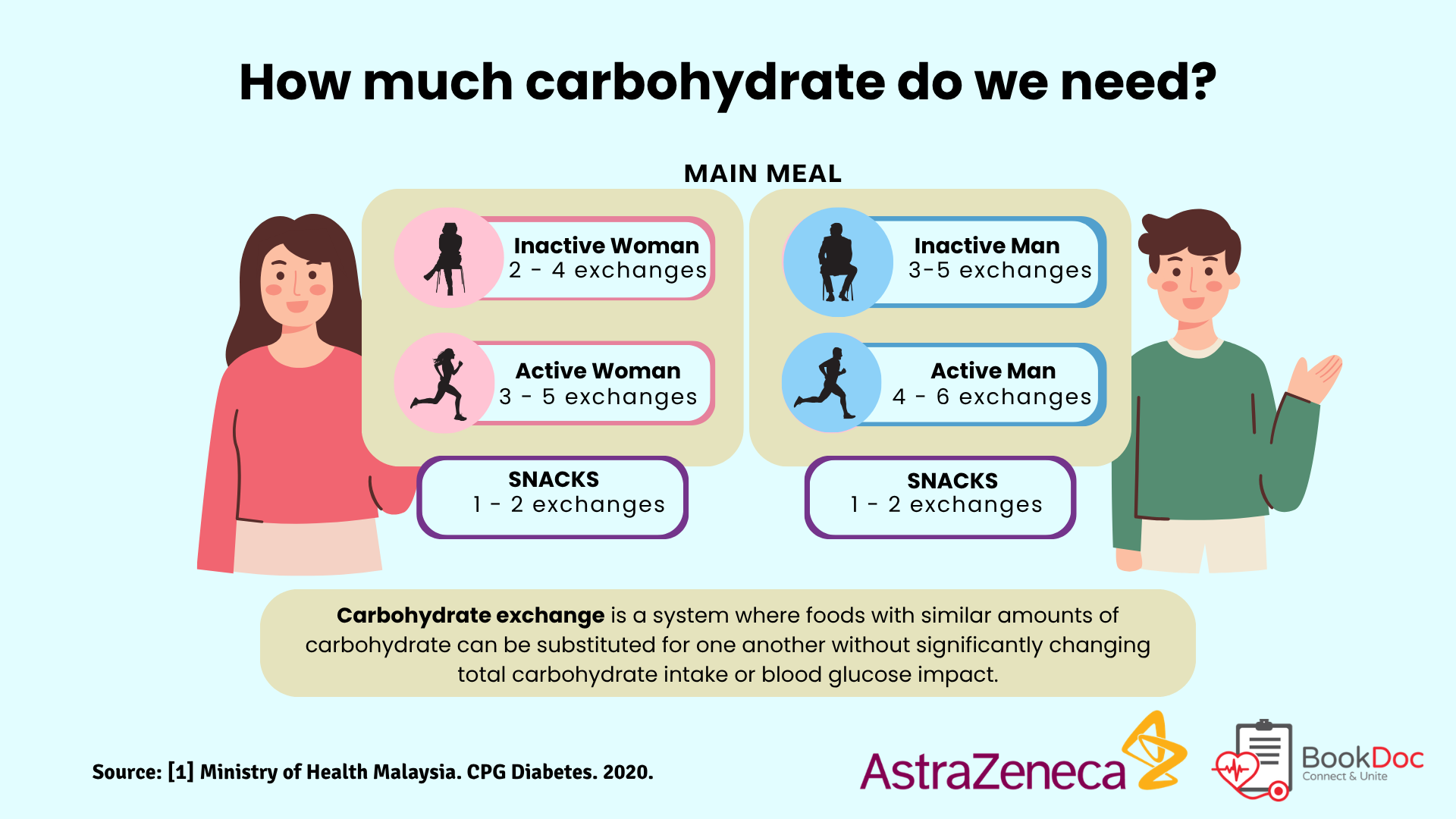
About 45–60% of total daily calories should come from carbohydrates, with an emphasis on wholegrains, of which around 50% of carbohydrate intake should come from wholegrain sources according to the Malaysian Dietary Guidelines [2].
Wholegrain consumption is linked with a lower risk of type 2 diabetes and better glucose regulation [3], largely due to their higher fibre content, which slows glucose absorption and helps maintain more stable blood sugar levels [4]. Aside from wholegrains, other higher fibre carbohydrate sources include legumes, tubers, fruits, and vegetables [2].
Fibre First: Slow Sugar Spikes
A key aspect of blood glucose management is maintaining a steady rise in blood sugar after meals. This is where fibre plays an important role. Fibre, found in wholegrains, slows the absorption of glucose, helping to reduce blood sugar spikes [4]. Higher fibre intake is associated with improved HbA1c, healthier body weight, and better blood lipid profiles, making it an important component of diabetes management [5]. A daily fibre intake of around 20–30 grams is associated with improved blood sugar control and a reduced risk of developing type 2 diabetes [1].
Fibre is found in wholegrain foods as well as vegetables, fruits, and plant-based protein sources such as legumes, tofu, and tempeh. Including a variety of fibre-rich foods within meals can help support adequate fibre intake and promote more stable blood sugar levels [4]. Protein also plays a role in stabilising blood sugar, so it’s the next nutrient to consider [6].
Protein Power: Stay Full, Stay Steady
Alongside fibre, protein plays an important role in managing blood sugar and supporting satiety. Adequate protein intake helps promote fullness and may reduce overeating, contributing to more stable post-meal blood sugar levels [6].
Protein quality also matters. Animal-based protein sources that are high in saturated fat should be consumed in moderation, as higher intakes have been associated with an increased risk of type 2 diabetes [7]. Choosing a variety of protein sources, with an emphasis on lean animal proteins and plant-based options such as legumes, tofu, and tempeh, is recommended as part of a balanced dietary pattern for individuals with diabetes [1].
Fats That Fit: Choosing Heart-Healthy Options
Not all fats are bad, but saturated and trans fats should be limited. This does not mean avoiding fat entirely, as healthy fats are essential for overall and cardiovascular health. Total fat should make up 25–35% of daily calories, with saturated fat under 7% and trans fat under 1% [1].
Choosing healthy fats such as nuts, seeds, avocado, and olive oil, while limiting butter, fried foods, and processed snacks, supports heart health and helps reduce diabetes-related risks.
Sugar: Sweet, But in Control
Sugar often gets blamed as the sole cause of diabetes, but the real issue is how much and how often it is consumed. Sugars are a type of carbohydrate, and when eaten frequently or in large amounts, they can lead to repeated spikes in blood sugar. Over time, these repeated spikes increase insulin demand and may worsen insulin resistance, which plays a key role in the development and progression of type 2 diabetes.
Strong evidence shows that sugar-sweetened beverages, such as soft drinks, sweetened tea, and flavoured drinks, are consistently linked with a higher risk of developing type 2 diabetes [8]. For this reason, reducing intake of free sugars is recommended as part of a healthy diet by the World Health Organization [9].
3) Move More: Exercise Your Way to Better Blood Sugar
Physical activity is more than just movement. It helps to improve glycaemic control and enhances insulin sensitivity when it is done regularly [1]. Improved insulin sensitivity is important because it allows glucose to enter cells more efficiently, helping to lower blood sugar levels and reduce the burden on the pancreas.
You don’t need to be an athlete to benefit. There are different types of physical activity:
- Aerobic exercises, such as brisk walking, cycling, or swimming, help reduce blood glucose levels during and after activity and, when performed regularly, improve insulin sensitivity [10].
- Resistance or strength exercises, such as bodyweight exercises, resistance bands, or light weights, help keep blood sugar levels more stable and make the body respond better to insulin [10].
Remember, even walking counts! It is simple, accessible, and a great option that most people can maintain regularly [1].
So, how much physical activity is recommended each week?
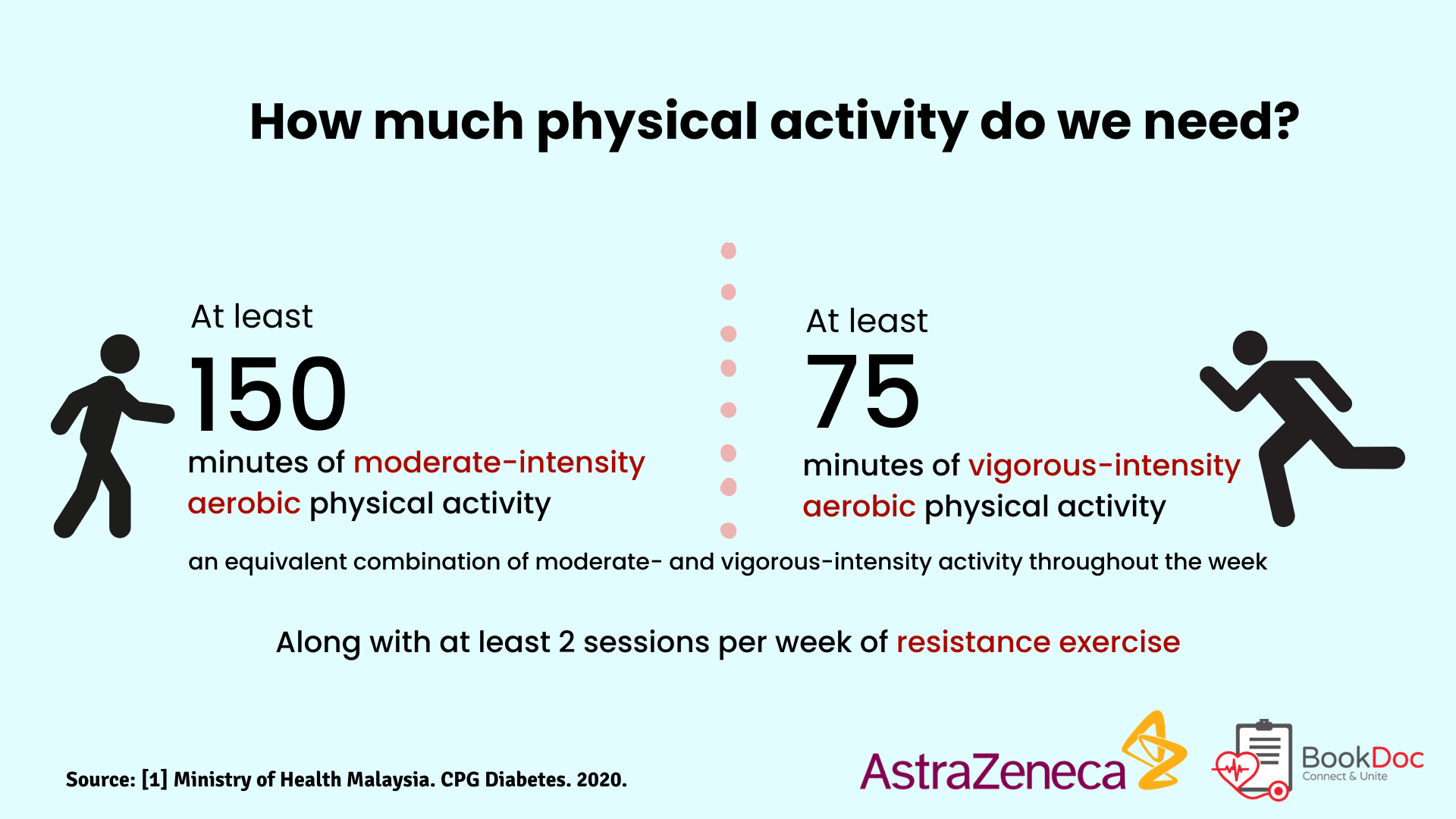
If you are just getting started, aim for 30 minutes per session to build momentum. Once you can do this consistently, try to reach at least 150 minutes of moderate-intensity aerobic activity per week, along with 2–3 resistance sessions. Higher volumes and duration of physical activity are associated with greater reductions in HbA1c [1].
4) Monitoring: Understanding Your Blood Sugar Pattern
Monitoring blood glucose does not diagnose diabetes on its own, but it plays an important role in prevention and ongoing management. Regular monitoring helps individuals understand their current blood glucose levels, identify patterns, and recognise how food, physical activity, stress, and lifestyle habits affect blood sugar.
Two common monitoring approaches include [1]:
- Self-monitoring of blood glucose (SMBG): Using a finger-prick device to check blood sugar at specific times, such as before or after meals.
- Continuous glucose monitoring (CGM): A wearable device that tracks glucose levels throughout the day, providing insights into trends and fluctuations rather than single readings.
Both methods support better self-awareness and can guide healthier daily choices, even before diabetes develops.
Your Next Steps
Even if diabetes runs in your family, small lifestyle changes and proper care can help you manage your blood sugar and prevent complications. Don’t forget your feet — check them regularly and seek help early if you notice any changes.
While managing diabetes or preventing its progression may feel challenging at times, it is achievable. By focusing on realistic habits such as maintaining a healthy weight, eating a balanced diet, staying active, monitoring blood sugar when appropriate, and avoiding smoking, you can improve blood sugar control, boost your energy levels, and support long-term health.
Remember, small steps taken consistently over time can make a meaningful difference.
What’s the first step?
Learn more about managing diabetes, blood sugar, and foot care here: https://mysihatpal.com.my/beyond-sugar/diabetes/footcare
Written by Nutritionist Saleha
Reference
- Ministry of Health Malaysia, Academy of Medicine Malaysia, Diabetes Malaysia, & Malaysia Endocrine & Metabolic Society. (2020). Clinical Practice Guidelines: Management of Type 2 Diabetes Mellitus (6th ed.). Ministry of Health Malaysia.
- National Coordinating Committee on Food and Nutrition. (2020). Malaysian dietary guidelines. Ministry of Health Malaysia.
- Della Pepa, G., Vetrani, C., Vitale, M., & Riccardi, G. (2018). Wholegrain Intake and Risk of Type 2 Diabetes: Evidence from Epidemiological and Intervention Studies. Nutrients, 10(9), 1288. https://doi.org/10.3390/nu10091288
- Mayo Clinic Staff. (2025, December 24). Dietary fiber: Essential for a healthy diet. Mayo Clinic. https://www.mayoclinic.org/healthy-lifestyle/nutrition-and-healthy-eating/in-depth/fiber/art-20043983
- Silva, F. M., Kramer, C. K., de Almeida, J. C., Steemburgo, T., Gross, J. L., & Azevedo, M. J. (2013). Fiber intake and glycemic control in patients with type 2 diabetes mellitus: a systematic review with meta-analysis of randomized controlled trials. Nutrition reviews, 71(12), 790–801.
- American Diabetes Association. (2025, February 24). Let’s talk about protein for people with diabetes. Diabetes Food Hub. https://diabetesfoodhub.org/blog/lets-talk-about-protein-people-diabetes
- Pan, A., Sun, Q., Bernstein, A. M., Manson, J. E., Willett, W. C., & Hu, F. B. (2013). Changes in red meat consumption and subsequent risk of type 2 diabetes mellitus: three cohorts of US men and women. JAMA internal medicine, 173(14), 1328–1335. https://doi.org/10.1001/jamainternmed.2013.6633
- Wang, M., Yu, M., Fang, L., & Hu, R. Y. (2015). Association between sugar-sweetened beverages and type 2 diabetes: A meta-analysis. Journal of diabetes investigation, 6(3), 360–366. https://doi.org/10.1111/jdi.12309
- World Health Organization. (2026). Healthy diet. https://www.who.int/news-room/fact-sheets/detail/healthy-diet
- American Diabetes Association. (2026). Anaerobic exercise and diabetes. https://diabetes.org/health-wellness/fitness/anaerobic-exercise-diabetes
Approval code: MY-20002_June2026