





 Your Heart Works 24/7 — Are You Taking Care of It?
 Your Heart Works 24/7 — Are You Taking Care of It?
Your heart beats thousands of times every day, pumping blood and oxygen throughout your body. Yet, heart health is often something we only think about when a problem shows up.
Heart disease remains Malaysia’s leading cause of death — ischaemic heart disease alone was responsible for 17,421 deaths in 2024, accounting for 13% of all medically certified deaths nationwide .[1] Many of the factors behind that number are linked to everyday habits — what we eat, how active we are, whether we smoke, how well we sleep, and how we manage stress. This World Heart Day (29 September), let’s take a closer look at what your heart needs — and the small changes you can make to protect it.
What Can Put Your Heart at Risk?
Heart health isn’t determined by a single meal or one day of exercise. Your risk builds over time through a combination of factors.
Some risk factors, such as age and family history, cannot be changed. But many others are influenced by our everyday habits and health conditions, including:
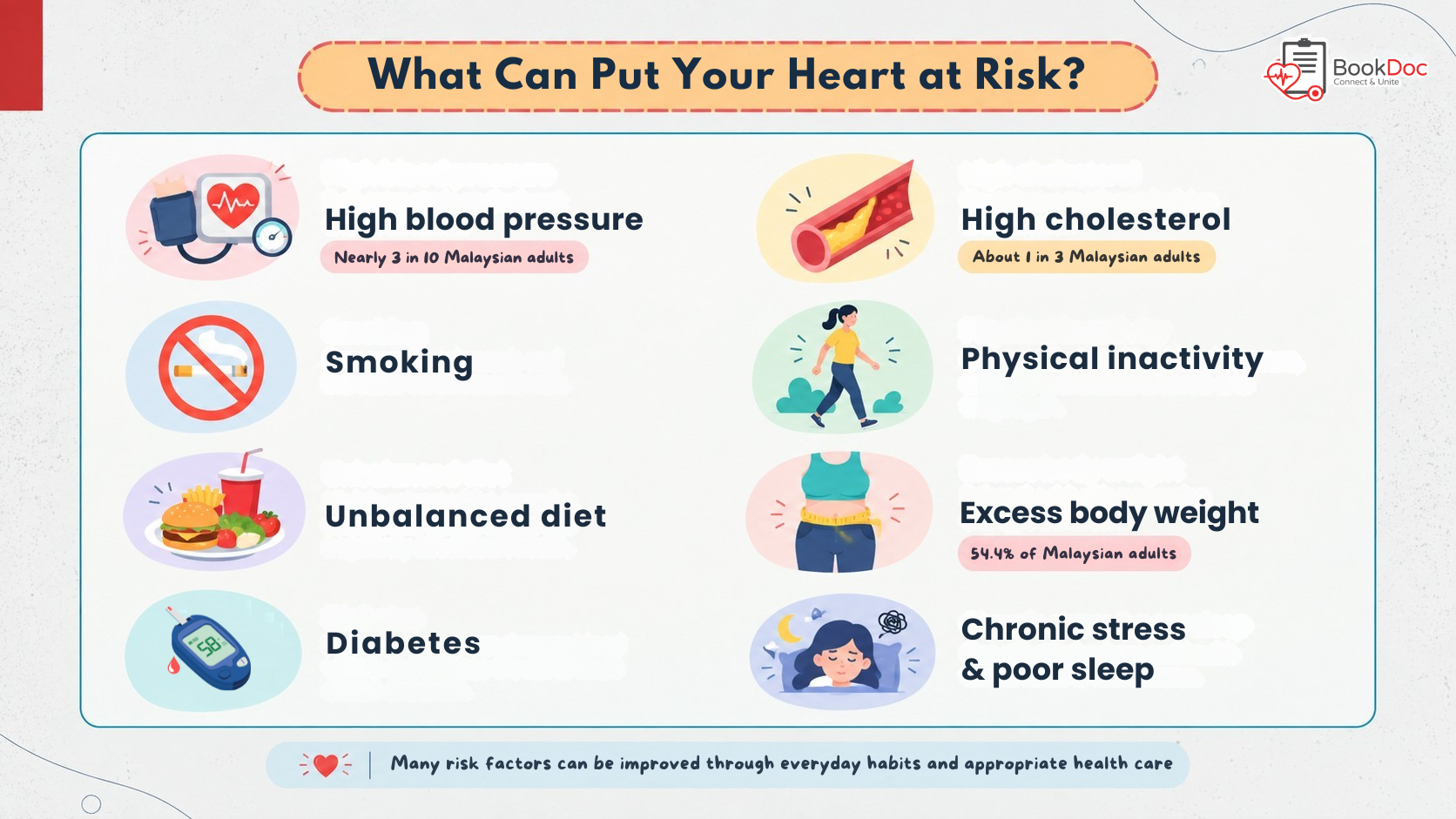
- High blood pressure – puts extra strain on the heart and blood vessels. Nearly 3 in 10 Malaysian adults have it, according to NHMS 2023. [2]
- High cholesterol – contributes to plaque buildup in the arteries, affecting a third of Malaysian adults. [2]
- Smoking – damages blood vessels and increases cardiovascular risk. [2]
- Physical inactivity – can contribute to high blood pressure, unhealthy cholesterol levels, and weight gain.[2]
- Unbalanced diet – diets high in saturated fat, trans fat, sodium, and added sugars can negatively affect heart health. [2]
- Excess body weight – more than half of Malaysian adults (54.4%) are overweight or obese, per NHMS 2023, raising the risk of hypertension and type 2 diabetes. [2]
- Diabetes – consistently high blood sugar can damage blood vessels and increase the risk of heart disease and stroke, which is why diabetes is treated as a major cardiovascular risk factor in its own right. NHMS 2023 found that among Malaysian adults aged 18–29 with diabetes, 84% didn’t know they had it — meaning their heart risk was rising unnoticed. [2]
- Chronic stress and poor sleep – can also affect the behaviours and health factors linked to heart disease. [2]
The good news? Many of these factors can be improved.
What Does a Heart-Healthy Lifestyle Actually Look Like?
1. Balance beats restriction
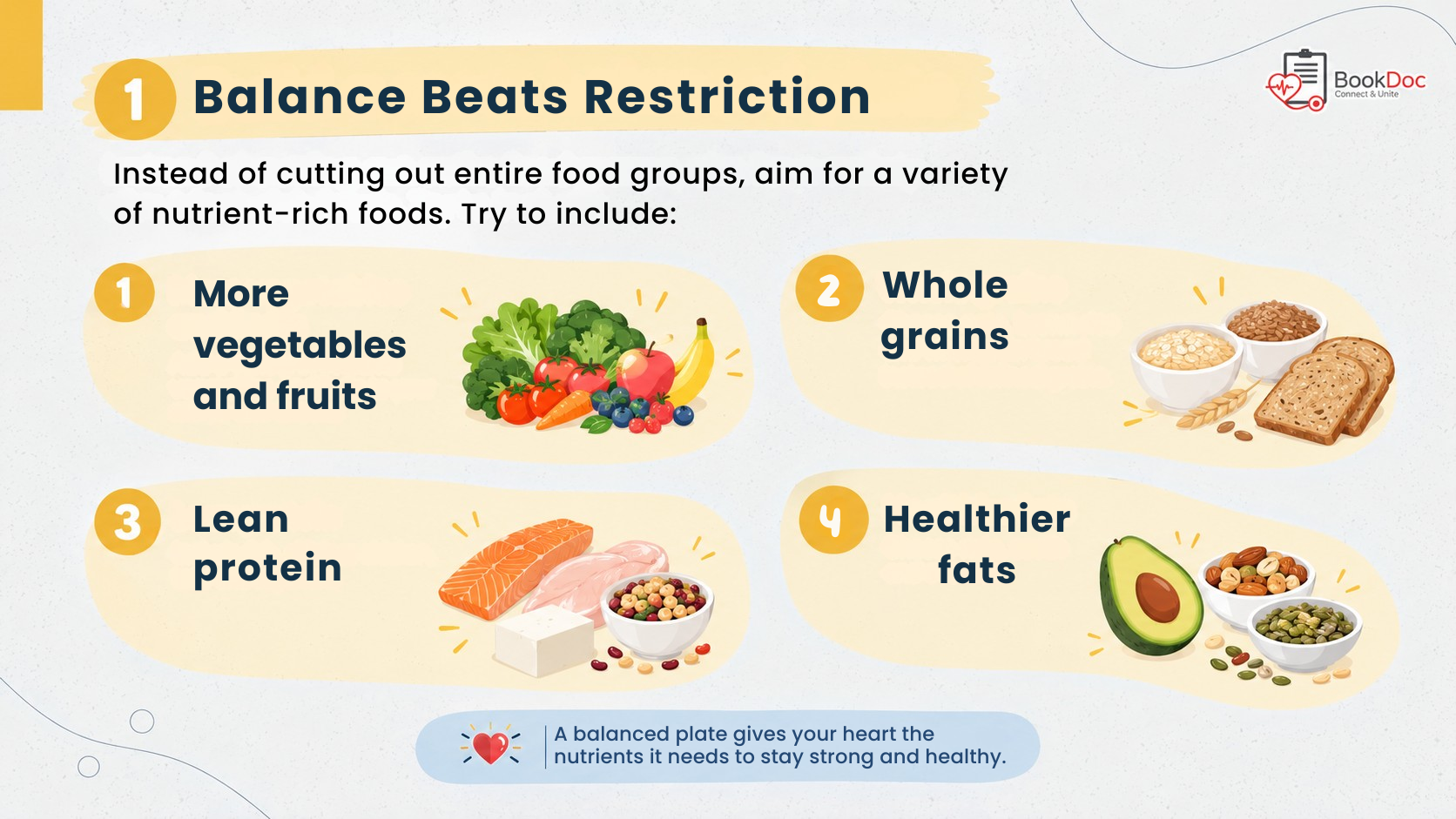 Try this: If you’re having nasi lemak, you don’t necessarily need to skip it. Aim for about half a cup (roughly a clenched fist) of rice instead of a full plate, add half-plate of cucumber, and choose a boiled egg or a palm-sized portion of grilled protein — while going easy on the sambal and other high-fat additions.
2. Watch your salt intake
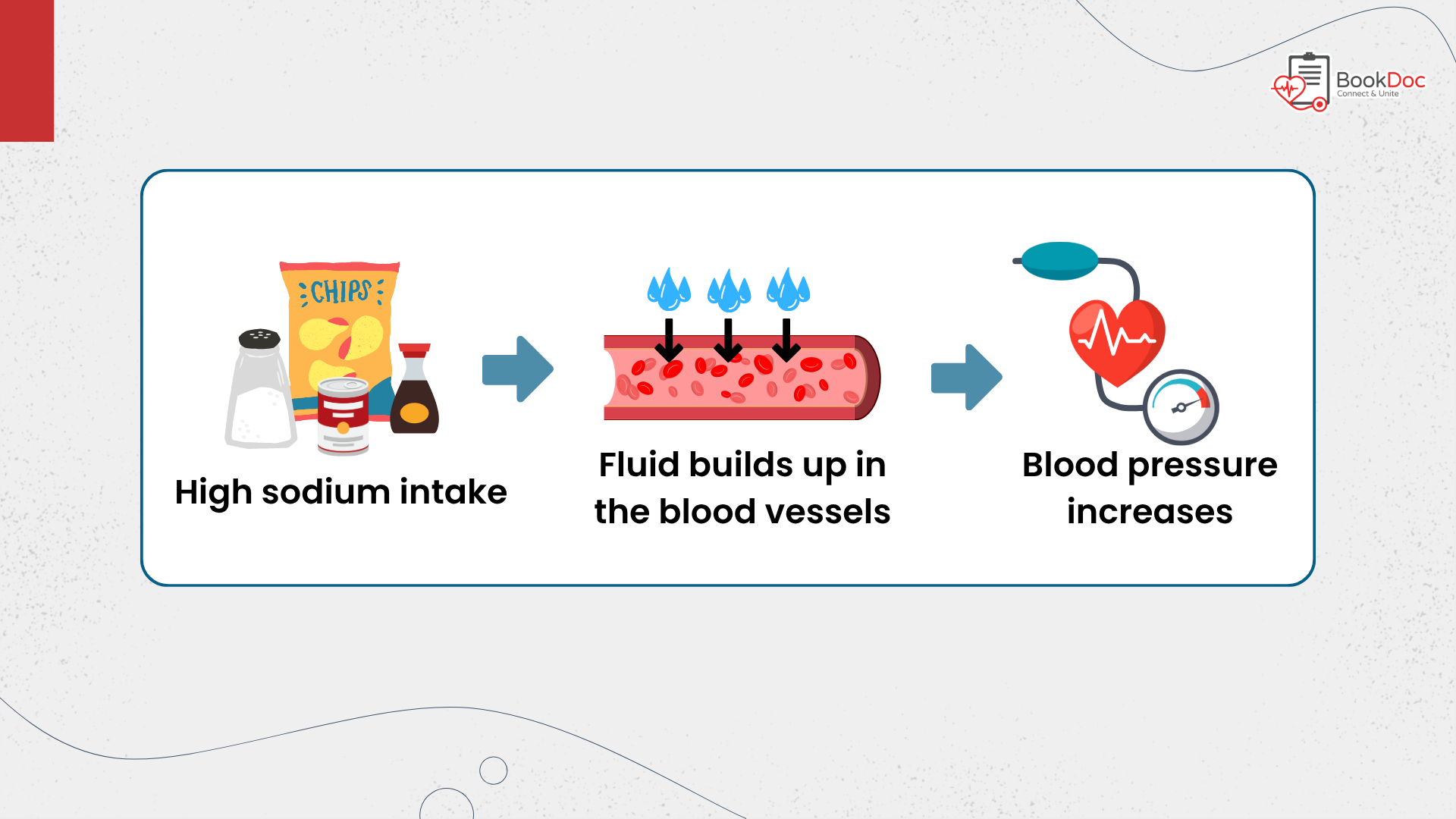
Eating too much sodium can contribute to high blood pressure, an important risk factor for heart disease.
Try this: Taste your food before adding extra salt or sauces. When eating out, ask for sauces or gravies on the side where possible.
3. Get moving
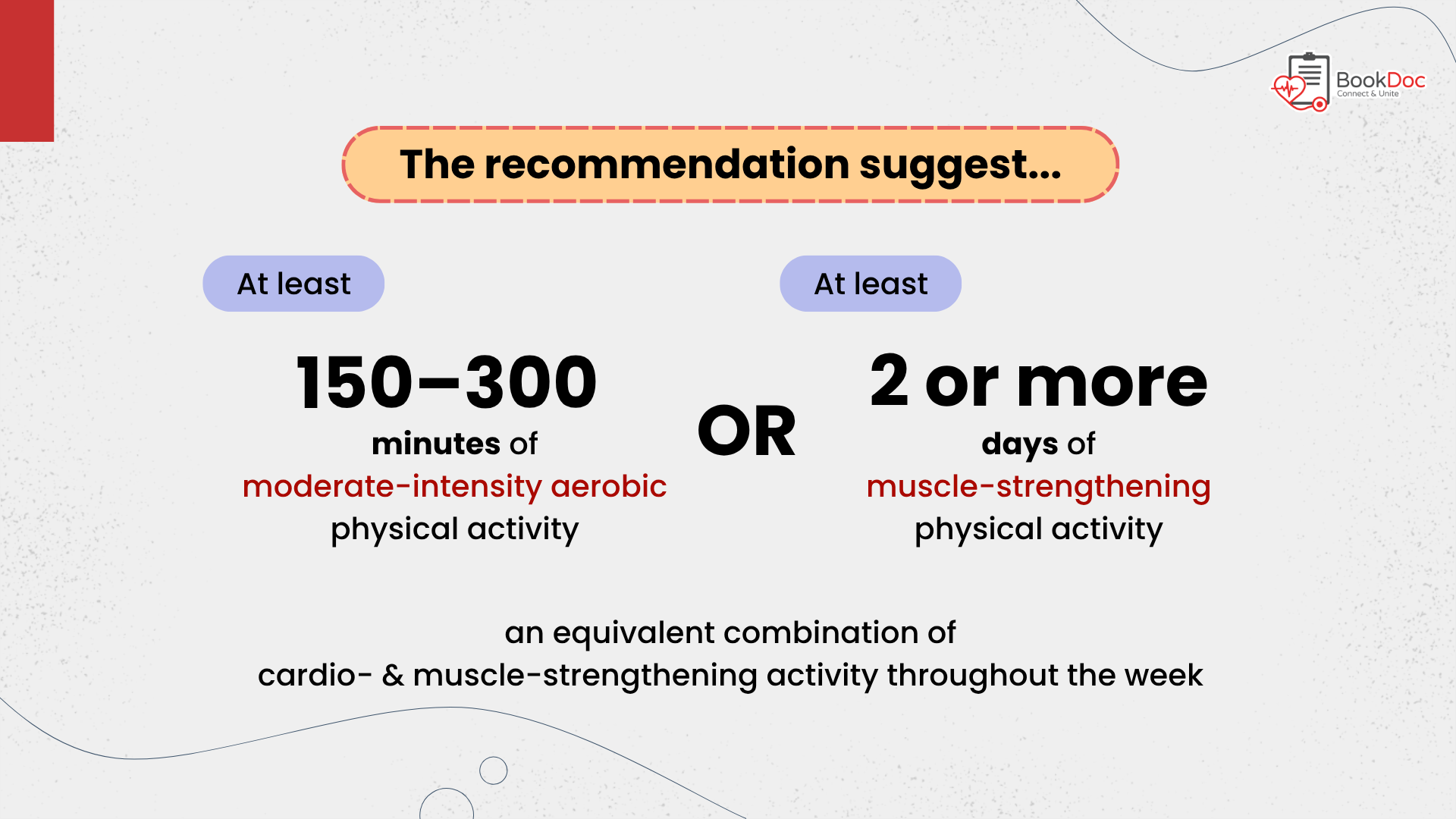
Regular physical activity helps support cardiovascular health and can improve blood pressure, cholesterol levels, and overall fitness. The CDC recommends at least 150 minutes of moderate-intensity aerobic activity a week — and regular physical activity helps support cardiovascular health and can improve blood pressure, cholesterol levels and overall fitness. [3]
Try this: If 30 minutes of exercise feels difficult to fit into your day, start with a 10–15 minute brisk walk and gradually build up. Taking the stairs, walking during your lunch break, or getting off public transport one stop earlier can also add more movement to your day.
4. Don't underestimate sleep and stress
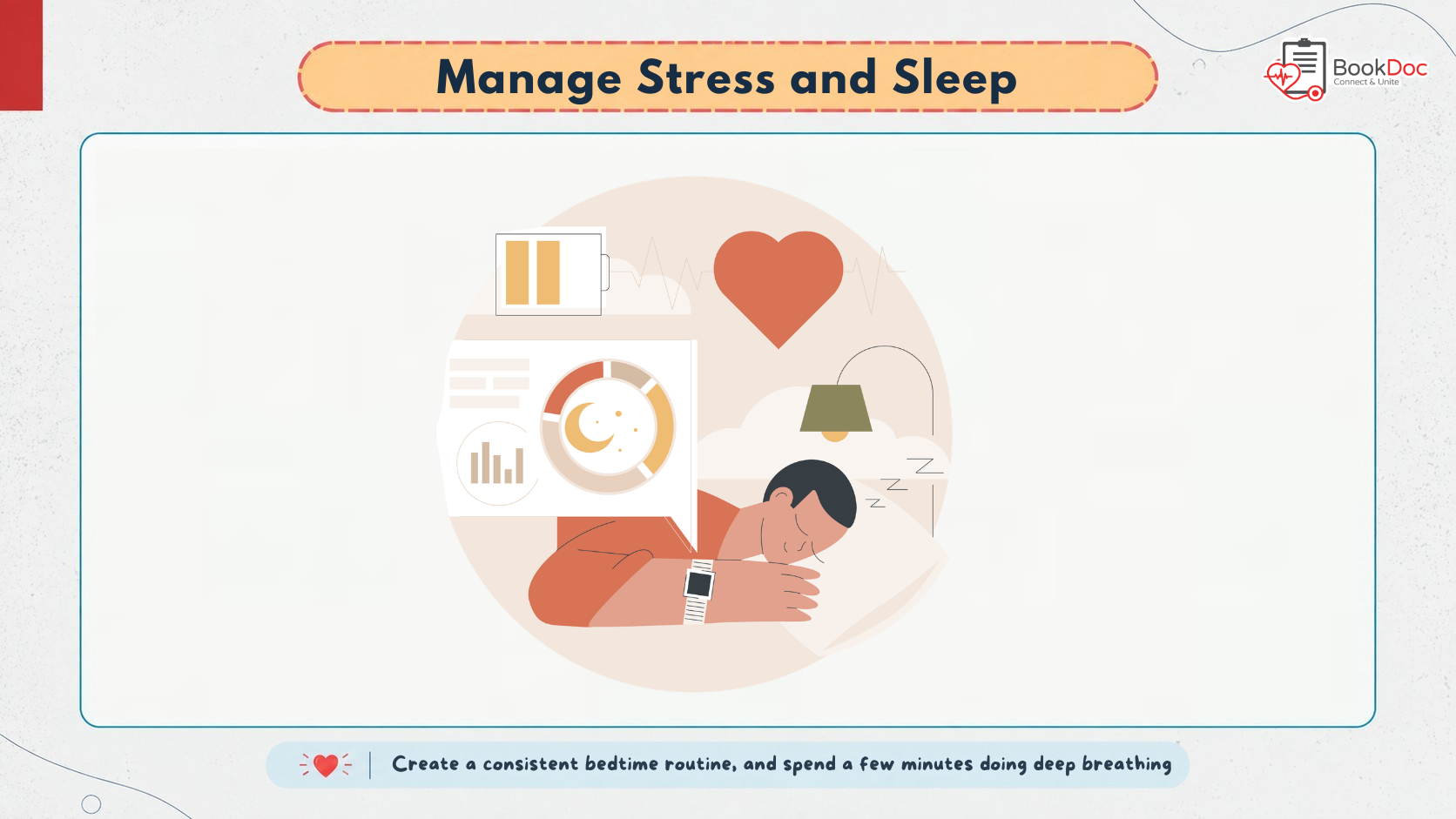
Your heart doesn’t only benefit from what you eat and how much you exercise. Getting enough sleep and finding healthy ways to manage stress are also part of taking care of your cardiovascular health.
Try this: Create a consistent bedtime routine, take short breaks during a busy workday, or spend a few minutes doing deep breathing or another activity that helps you unwind.
5. Know your numbers
You can feel perfectly healthy while having high blood pressure or cholesterol. That’s why regular health checks matter.
Keep track of important markers such as:
- Blood pressure
- Cholesterol
- Blood glucose
- Body weight and waist circumference
Knowing your numbers gives you an opportunity to make changes early, rather than waiting for symptoms to appear.
Your Heart Doesn’t Need Perfection
Looking after your heart isn’t about following a perfect diet or exercising every single day.
It’s about what you do consistently.
Choose more fibre-rich foods. Move a little more. Watch your salt intake. Get enough sleep. Manage stress. Know your health numbers. And if you smoke, consider getting support to quit.
This World Heart Day, don’t wait for your heart to give you a warning.
Start with one small change today — your heart will thank you for it.
Written by Jonathan, BookDoc Dietitian
References
- World Health Organization, Cardiovascular Diseases (CVDs) Fact Sheet, July 2025
- Institute for Public Health, Ministry of Health Malaysia, National Health and Morbidity Survey (NHMS) 2023: Non-Communicable Diseases & Healthcare Demand
- Centers for Disease Control and Prevention, Physical Activity and the Prevention of Coronary Heart Disease, MMWR