








Many people believe that breastfeeding is a good time to start dieting to lose the weight gained during pregnancy. While postpartum weight loss can gradually happen during breastfeeding, overly restrictive diets are not recommended, as exclusive breastfeeding increases a mother’s nutritional needs.
During this period, the body is not only producing breast milk but is also recovering after childbirth. Because of this, a mother’s daily food choices play an important role in maintaining energy levels, supporting recovery, and providing the nutrients needed for breastfeeding.
Energy Requirements for Breastfeeding Mothers
One of the key nutritional changes during breastfeeding is an increase in energy requirements. Breastfeeding mothers need approximately an additional 500 kcal per day during exclusive breastfeeding (RNI, 2017) to support milk production and postpartum recovery.
However, these extra calories should come from nutrient-dense foods rather than foods that are high in calories but low in nutrients. This means focusing on a balanced diet that includes healthy carbohydrates, protein, and healthy fats to support both energy needs and overall nutrition for mother and baby.
Let’s take a closer look at the key nutrients that help breastfeeding mothers meet their increased nutritional needs.
Key Nutrients to Focus On During Breastfeeding
1. Healthy Carbohydrates: Main Source of Energy
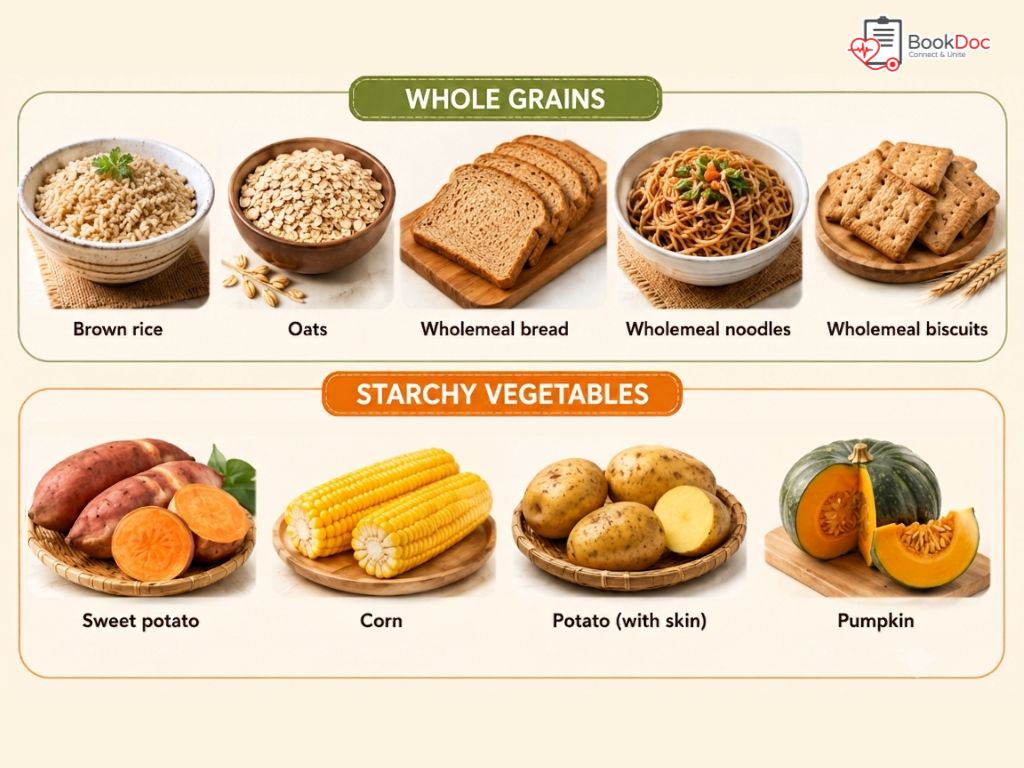
Carbohydrates are the body’s main source of energy. Choose high-quality carbohydrates such as whole grains and starchy vegetables, which are naturally higher in fibre and provide longer-lasting energy.
Good sources include:
2. Protein Intake: Supporting Tissue Repair and Recovery
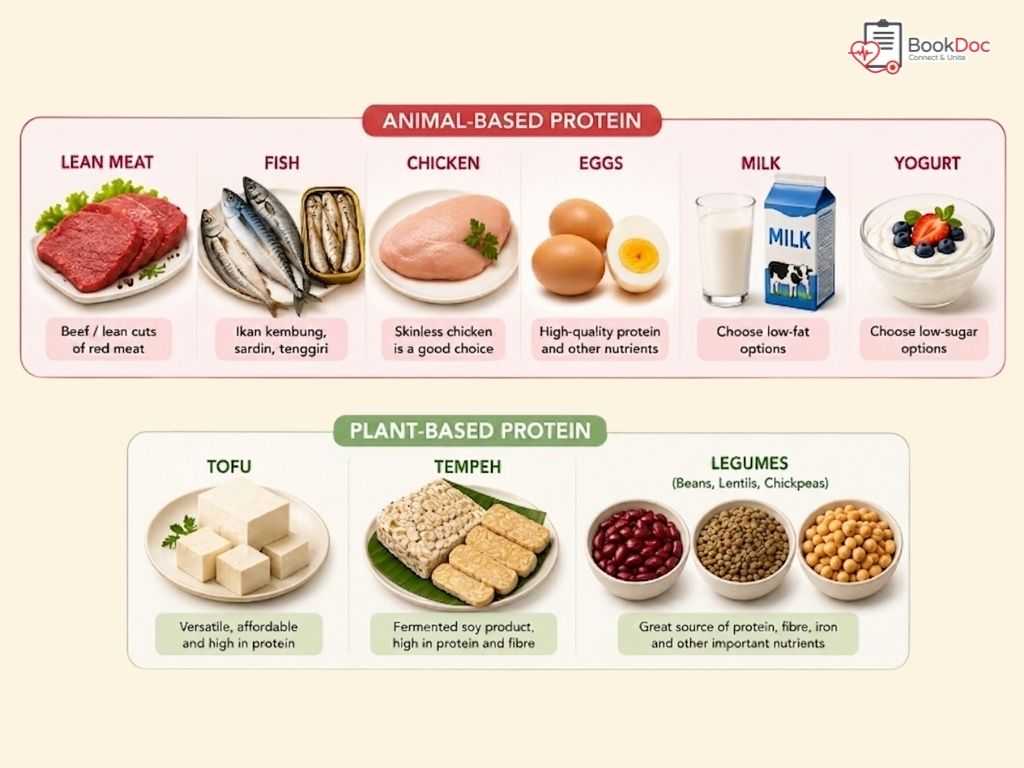
Protein helps repair body tissues after childbirth and supports postpartum recovery.
Protein sources include:
3. Fiber Intake: Supporting Digestion and Fullness
Fibre helps prevent constipation, supports healthy digestion, and keeps you feeling fuller for longer. Many fibre-rich foods also provide iron, which helps replenish iron stores after childbirth.
Good sources of fiber include:
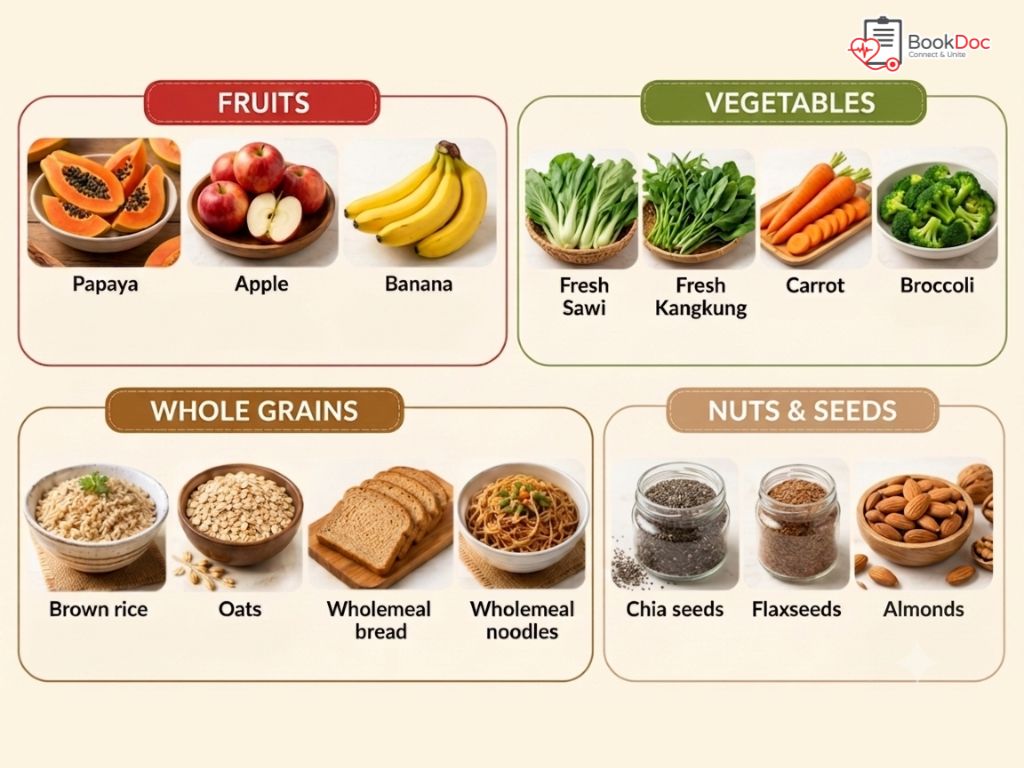
Tips: Pairing plant-based iron sources such as tofu, tempeh and dark green leafy vegetables with vitamin C-rich foods such as fruits can help improve iron absorption.
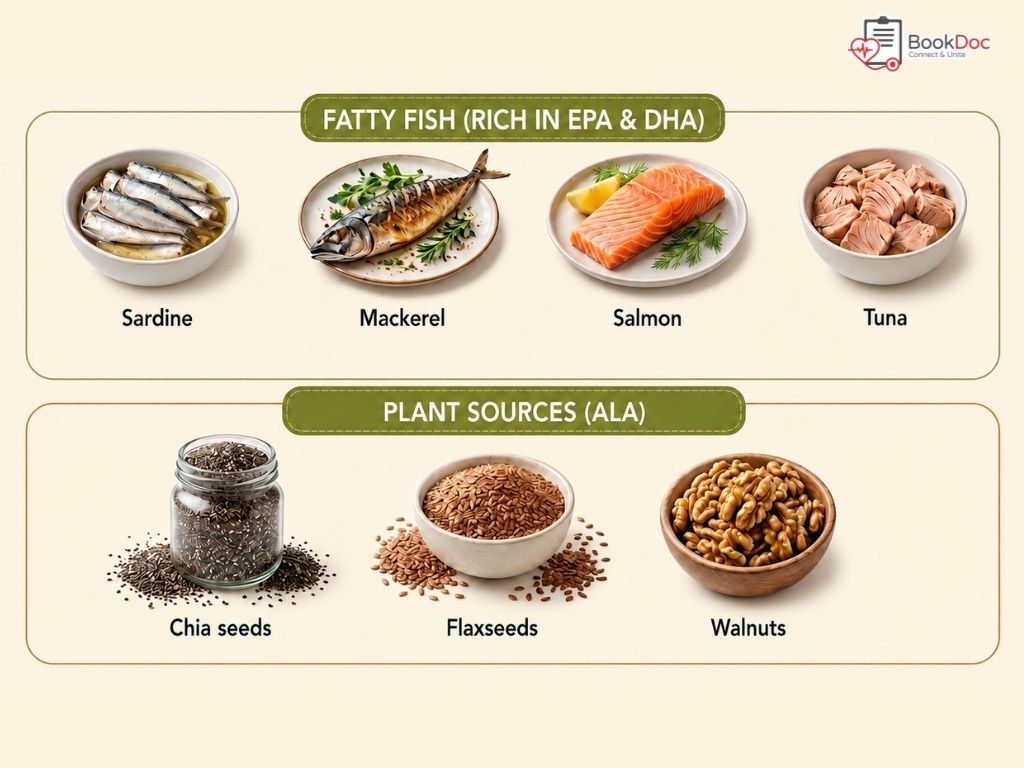
4. DHA / Omega-3: Supporting Baby’s Brain Development
DHA is an important omega-3 fatty acid that supports your baby’s brain and eye development through breastmilk.
Good sources include:
5. Hydration: Supporting Overall Wellbeing
Staying well hydrated supports energy levels, comfort, and overall wellbeing throughout the breastfeeding period. It also supports postpartum recovery by promoting healthy circulation and nutrient delivery needed for tissue repair and wound healing.
Here’s How You Can Start
Meeting an additional 500 kcal per day does not mean eating much larger meals. Small, nutritious additions throughout the day can easily help you meet your increased energy and nutrient needs.
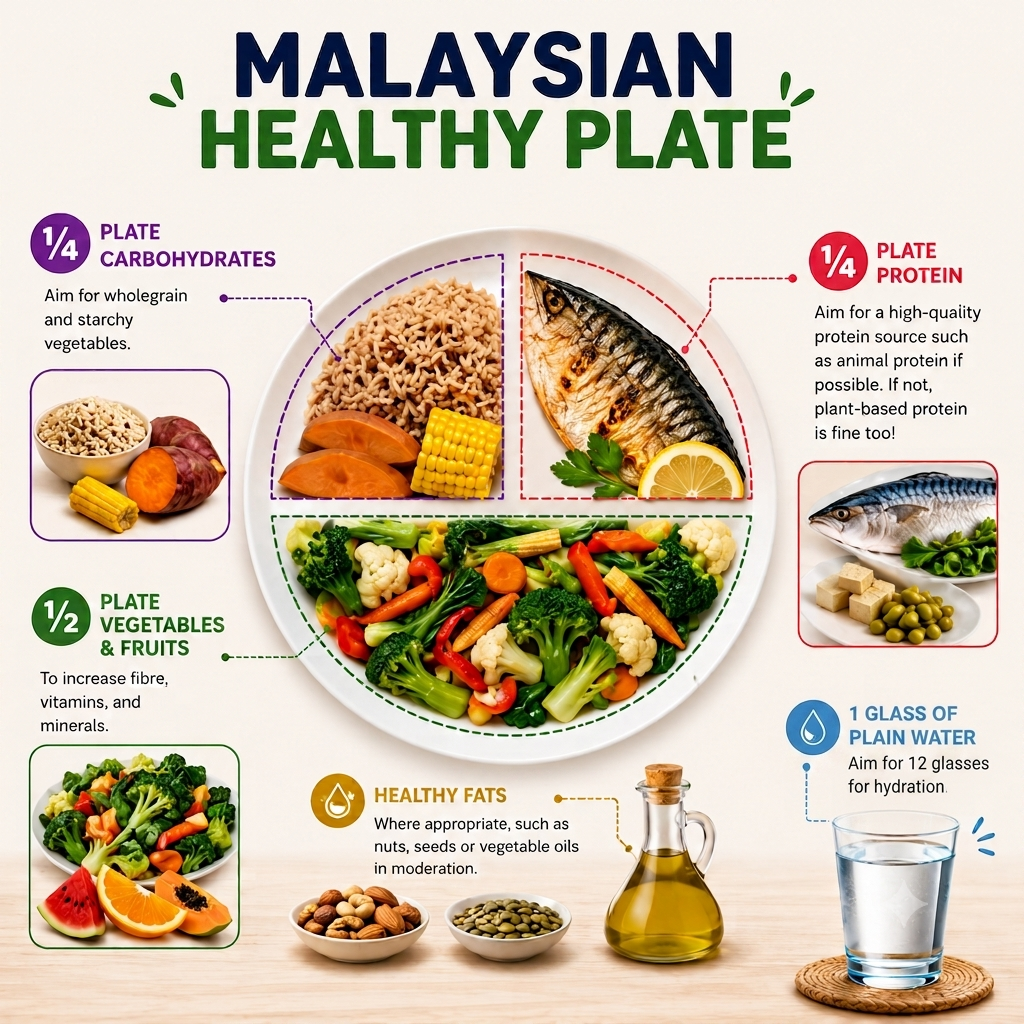
1. Build a balanced plate
Start by building a balanced meal using the Suku-Suku Separuh (SSS) concept. This provides a good nutritional foundation before adding the extra energy needed for breastfeeding.
2. Simple ways to add extra calories
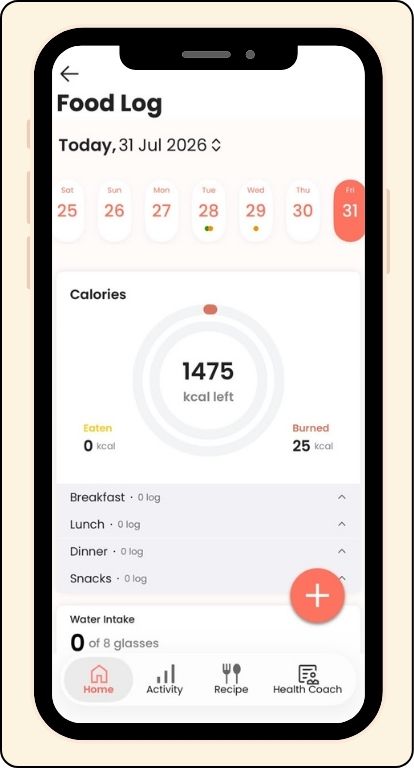
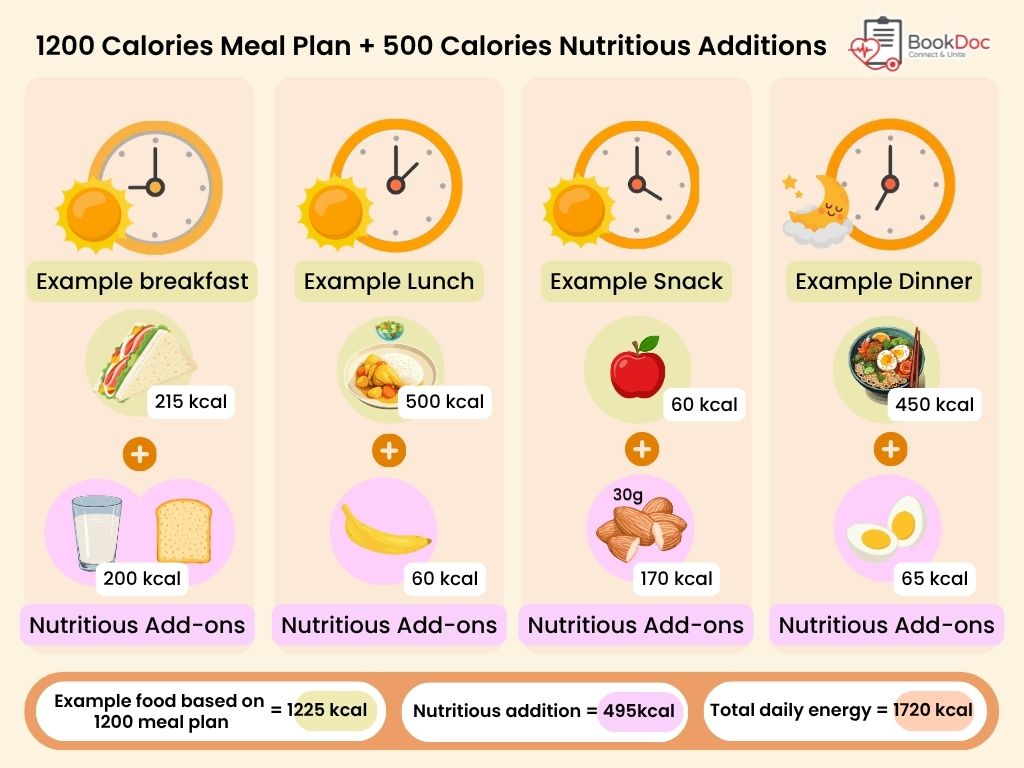
Once you have built a balanced Suku-Suku Separuh plate, you can mix and match nutritious food additions throughout the day to help meet your increased energy needs. However, before adding an extra 500 kcal/day, it is important to first estimate your daily calorie needs as individual energy requirements vary. You can easily check your estimated calorie needs using the BookDoc app or an online calorie calculator.
For example:
Person A
Estimated daily calorie requirement = 1200kcal/day
Additional energy during exclusive breastfeeding = +500kcal
Total daily energy target = 1,700kcal/day
Examples of nutritious food additions:
| Nutritious food additions | Approximate calories |
| 1 glass low-fat milk | ~125 kcal |
| 1 medium banana | ~60 kcal |
| 1 handful unsalted nuts | ~170 kcal |
| 1 boiled egg | ~65 kcal |
| 1 slice wholemeal bread | ~75 kcal |
| 150 g plain yogurt | ~100 kcal |
Let’s see how these additions can be included throughout the day to provide approximately 500 kcal:
Nutritious snack for breastfeeding mothers
Nutritious snacks in between main meals are another simple way to meet your increased energy and nutrient needs during breastfeeding. For example, instead of having an apple alone, try pairing it with a handful of nuts (~30g) for extra energy from healthy fats, protein and fiber. This will provide ~170 kcal of additional energy.
Here are other snack examples together with approximate calories that you can try:
- 2 slices of wholemeal bread with peanut butter (~240 kcal)
- 150g Greek yogurt with 1 cup fresh fruit (~220 kcal)
- 2 boiled eggs with 4 pieces of wholemeal crackers (~205 kcal)
- 1 medium-sized steamed sweet potato with 250ml soy milk (~220 kcal)
- Half cup of oats with 250 ml low-fat milk + 1 medium dragon fruit (~380 kcal)
Note: The calorie values above are estimates and may vary depending on the ingredients and preparation methods used.
Key Takeaway
Breastfeeding nutrition is about nourishing, not restricting. Start by building balanced meals using the SSS concept, then meet your increased energy needs with small, nutritious additions throughout the day. Together with adequate protein, fibre, healthy fats, DHA, and fluids, these simple habits can support maternal recovery and your baby’s healthy growth and development.