
Making Healthy Habits More Engaging at Work
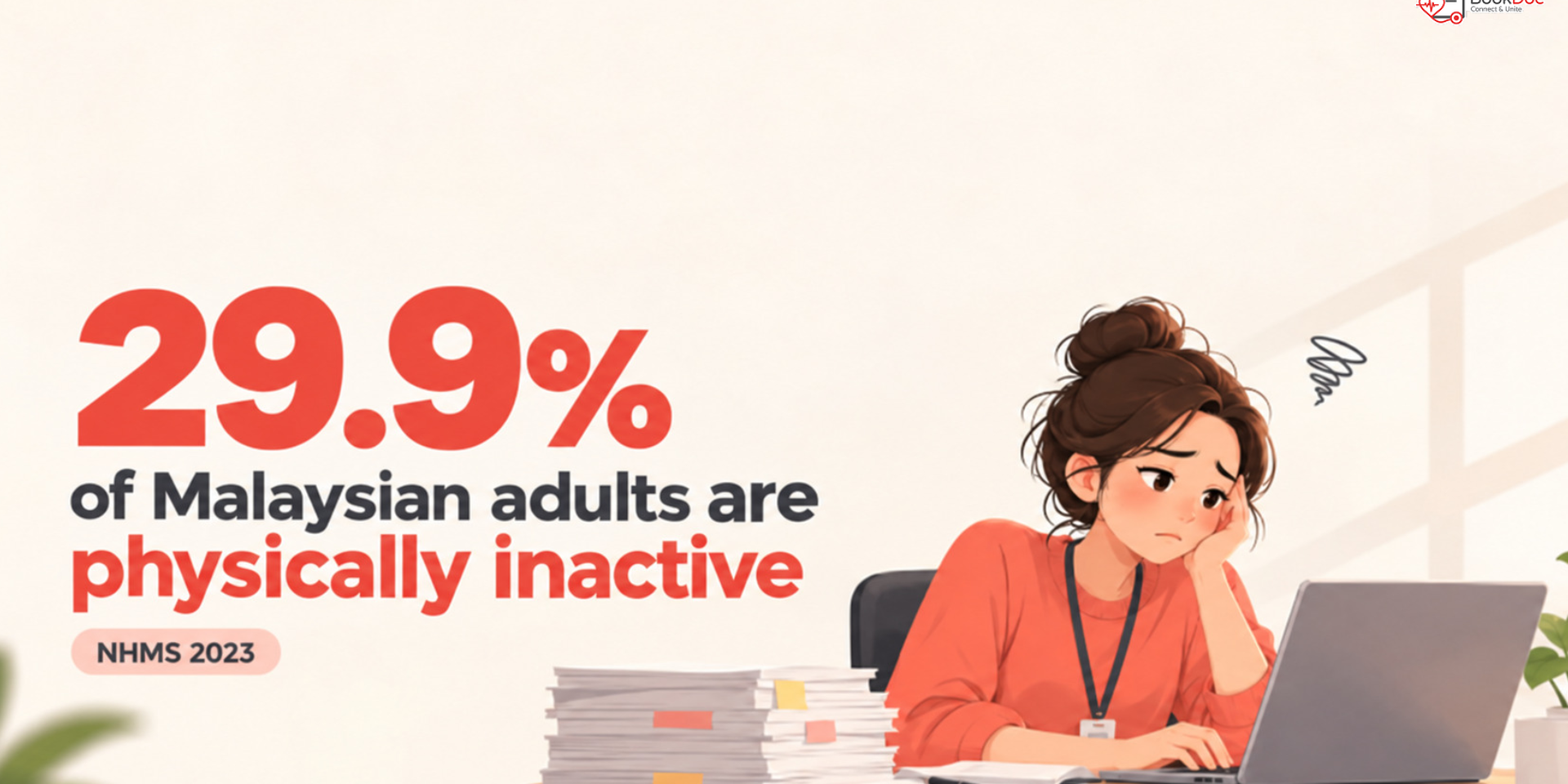
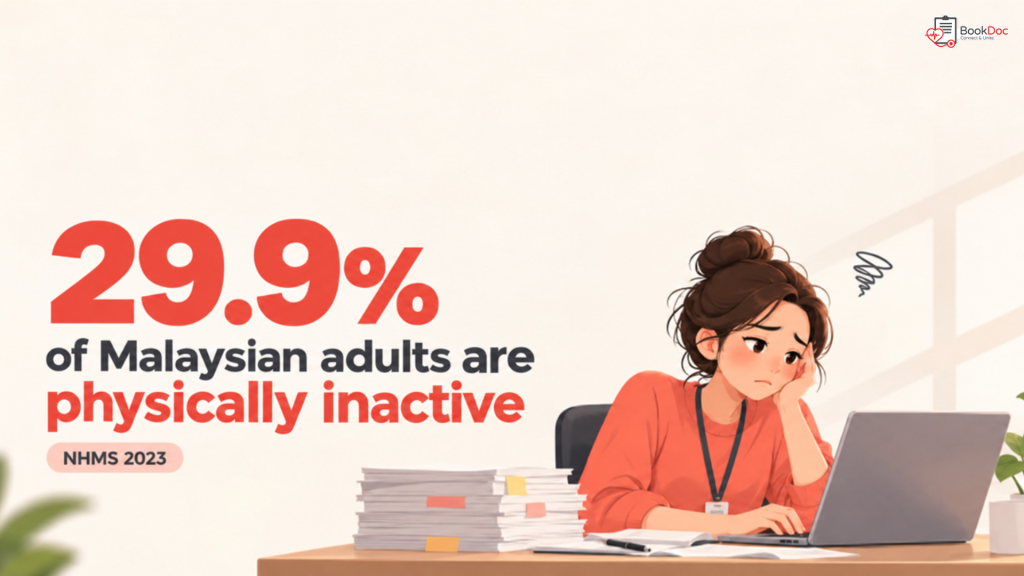
According to Malaysia’s National Health and Morbidity Survey (NHMS) 2023, 29.9% of Malaysian adults are physically inactive. This highlights the importance of creating more opportunities for movement in everyday routines, including at work.
For employees in desk-based roles, finding time to stay active can be challenging. But what if a short walk during lunch or taking the stairs became part of a friendly workplace challenge?
That is where gamification comes in.
Through game-inspired elements such as points, challenges and progress tracking, organisations can make workplace wellness more interactive while encouraging employees to recognise their progress and work towards shared goals.
Why Gamification Matters for Employee Wellness
A 2024 review published in eClinicalMedicine found that gamified health applications increased daily steps by an average of 489 steps per day compared with non-gamified interventions. Although modest, the findings suggest that gamification may help encourage physical activity.
Success in workplace wellness is not just about reaching the top of a leaderboard. It can also be reflected in consistent participation, individual progress and teamwork towards shared goals.
How Organisations Can Use Gamification to Encourage Healthier Behaviours
Gamification can be introduced through simple activities and digital tools that fit into employees’ daily routines.
Here are three ways organisations can incorporate it into workplace wellness programmes.
1. Turn Small Activities Into Meaningful Progress
Healthy routines do not have to begin with ambitious fitness targets.
Simple activities, such as taking a short walk during lunch, using the stairs or moving during breaks, can contribute towards daily physical activity.
Employers can encourage participation through:
- Daily or weekly step challenges
- Achievable individual activity targets
- Team-based fitness goals
- Recognition for consistent participation
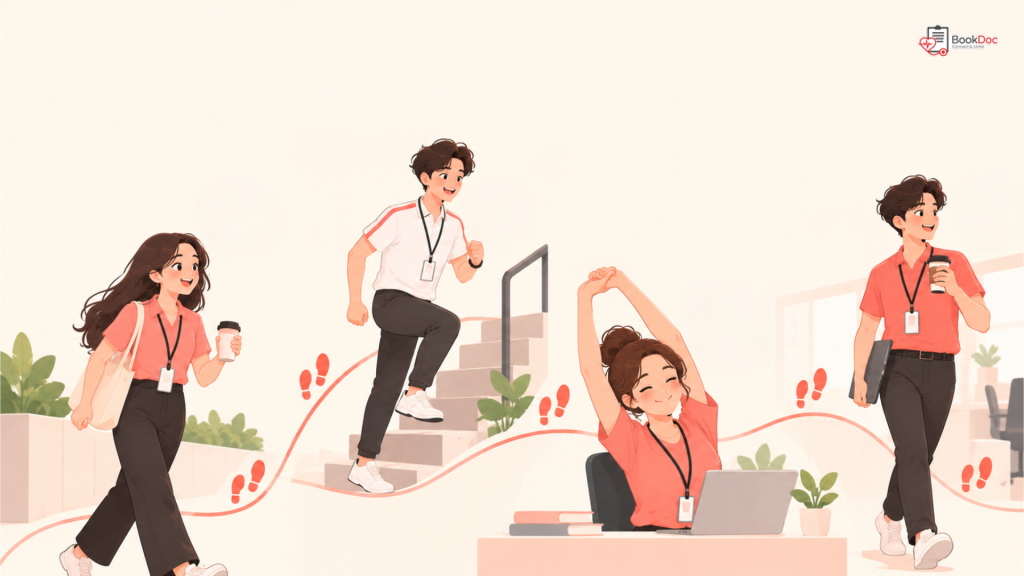
By focusing on achievable targets, organisations can encourage employees to recognise their own improvements rather than feel pressured to outperform others.
2. Make Wellness Interactive Through Digital Tools
Digital health platforms can help employees track their activity and see how their efforts contribute towards their goals.
Features such as progress dashboards, reminders, achievement badges and leaderboards can add an interactive element to wellness challenges.
For HR teams, these platforms may also simplify programme communication and help organisations monitor participation.
3. Encourage Teamwork, Not Just Competition
Friendly competition through departmental step challenges and group activities can encourage employees to work towards shared goals.
Organisations can encourage inclusive participation by offering activities suited to different fitness levels, abilities and working arrangements, rather than focusing solely on leaderboard rankings.
PERKESO Activ@Work Challenge: Bringing Gamification Into the Workplace
A local example is the PERKESO Activ@Work 2026 Challenge, a national workplace step challenge organised by PERKESO in collaboration with BookDoc.
The challenge brings together progress tracking, shared goals, leaderboards and recognition to encourage participation in workplace physical activities.
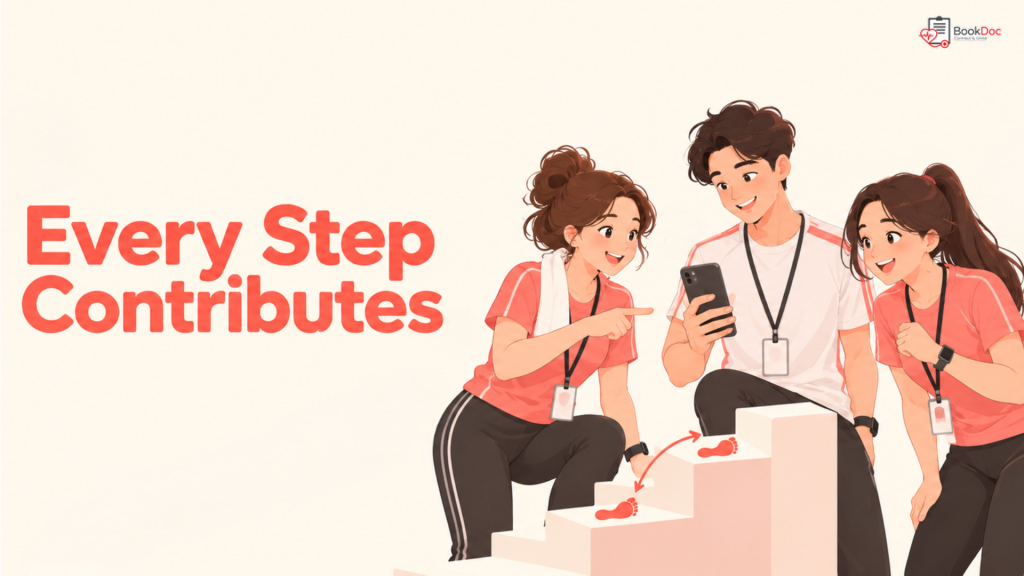
This year, 27,574 participants from 379 companies collectively recorded over 15.78 billion steps. Compared with 2025, participation increased by nearly 30%, while total steps recorded rose by approximately 49%.
These results highlight the scale of employee participation and demonstrate how digital tracking, teamwork and shared goals can be incorporated into workplace wellness programmes.
How HR Teams Can Make Gamified Wellness More Effective
Introducing a challenge is only the beginning. Making it practical and relevant requires thoughtful planning.
The Centers for Disease Control and Prevention (CDC) recommends considering employee needs, workplace conditions and organisational practices when developing workplace health programmes.
With this in mind, HR teams can focus on three areas.
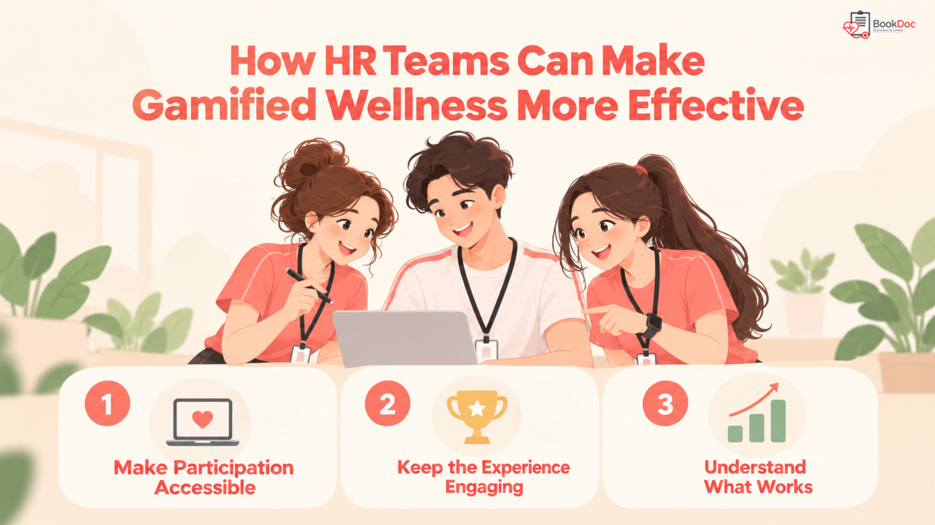
Make Participation Accessible
Offer activities that accommodate different fitness levels, abilities and work arrangements so employees can participate without unnecessary pressure.
Keep the Experience Engaging
Set clear goals, share regular progress updates and recognise individual improvements, consistency and teamwork rather than focusing only on rankings.
Understand What Works
Review participation trends, employee feedback and relevant programme outcomes to identify what works and what could be improved. Ensure that personal health information is handled responsibly and participation remains voluntary.
Conclusion: Turning Engagement Into Healthier Habits
Gamification offers organisations a practical way to make everyday movement more interactive through achievable challenges, visible progress and shared goals. Programmes such as PERKESO Activ@Work demonstrate how these elements can be brought into a workplace setting.
At BookDoc, we support organisations in creating engaging workplace wellness experiences through our Corporate Wellness offerings, including digital health solutions, company-wide wellness challenges and gamification initiatives designed to encourage participation in healthier activities.
Ready to make workplace wellness more engaging? Explore how BookDoc can help your organisation create accessible and interactive wellness experiences.
Written by: Sarah, BookDoc Team
————————————————————————————————————————————————————————————————-
References
BookDoc. (n.d.). Corporate Wellness Programme. BookDoc.
BookDoc. (2026). PERKESO Activ@Work Challenge 2025–2026: Participation and Step Tracking Results. Internal BookDoc app data.
Centers for Disease Control and Prevention. (2024). Strategies for Building a Workplace Health Program. National Center for Chronic Disease Prevention and Health Promotion.
Institute for Public Health. (2024). National Health and Morbidity Survey 2023: Non-Communicable Diseases and Healthcare Demand – Technical Report. Ministry of Health Malaysia.
Nishi, S. K., et al. (2024). Effect of Digital Health Applications with or without Gamification on Physical Activity and Cardiometabolic Risk Factors.
PERKESO. (2026). Activ@Work 2026 Challenge. Pertubuhan Keselamatan Sosial.