





Let’s take a moment to reflect on the past few weeks. Which area of your life has received most of your time and energy? And which has received the least?
For many of us, living a balanced life can feel more like a luxury than the norm. We spend much of our waking hours commuting and working, often leaving us feeling too exhausted to make time for hobbies, family, friends, and ourselves.
However, balance does not mean dividing our time equally between every area of our lives. Balance is dynamic. At certain times, work may require more of our attention, while at other times, our health, relationships, or personal needs may need to take priority. Our priorities naturally change depending on what life requires of us.
The good news is, you do not need to “fix” everything at once. Instead, start by asking yourself: “Which area of my life could use a little more attention right now?”
The Four Fundamental Areas of Balanced Life

One way to reflect on balance is to look at the different areas of life that require our time, energy, and attention. While everyone’s priorities may look different, these four areas can offer a helpful starting point for checking in with ourselves
- Self
Our hobbies, interests, personal growth, and the things we do simply because we enjoy them are all part of who we are. Making space for these helps us stay connected to ourselves and our identity amid life’s demands, rather than constantly putting ourselves last.
Ask yourself: “When was the last time I did something just for myself?”
- Health
Our physical and mental well-being influence how we think, feel, and interact with the world around us. This includes making space for rest, sleep, movement, nutrition, and activities that support our mental well-being.
Ask yourself: “What have I been neglecting when life gets busy?”
- Relationships
Meaningful connections can provide us with a sense of belonging, support, and companionship. These relationships can include family, partners, friends and other people who play a meaningful role in our lives.
Ask yourself: “Am I making time for the people who matter to me?”
- Work
Work provides many of us with a livelihood, a sense of purpose, and opportunities for growth and achievement. However, managing our responsibilities without allowing work to constantly overwhelm or consume us is also important.
Ask yourself: “Is work taking more of my energy than I can sustainably give?”
Once we identify which areas of our lives have been receiving less attention, we can begin making adjustments to give them the attention they need.
Practical Approaches to Restore Balance in Life
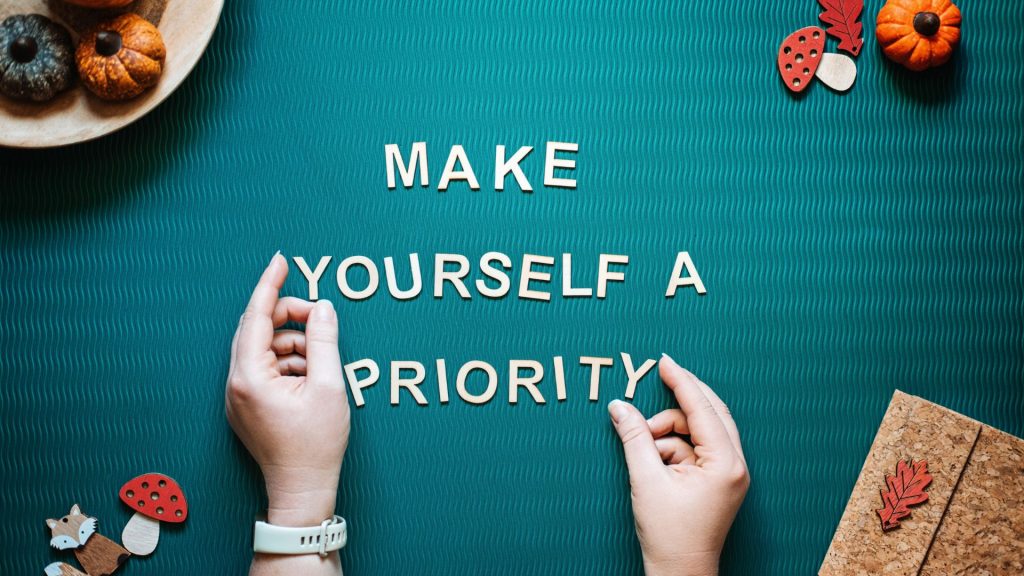
Restoring balance can begin with small and intentional adjustments. You do not have to change everything at once. Instead, consider making gradual changes that help you create more space for the things that matter to you.
1. Shape Your Own Balance
Having a clear sense of what balance looks like for you can help you recognise your priorities and use your time more intentionally.
- Plan your week
Create a schedule around your priorities each week. Start by identifying your “must-do” commitments, such as work, then block out time for yourself and your loved ones.
- Be flexible with your priorities
Balance may look different from one week to the next. There will be times when work, relationships, or health require more of your attention. The key is to adapt without allowing one area to consistently take over everything else.
2. Have Fun and Try New Things
Make time for your hobbies or explore something you have always wanted to try.
- Do what you love
Engage in activities that genuinely bring you joy. This could include baking, making art, going on a solo date, or spending time in nature.
- Learn something new
Challenge yourself by learning a new language, attending a hands-on workshop, or picking up a new skill.
3. Maintain a Healthy Routine
Establish consistent daily habits that support your physical and mental well-being.
- Prioritise 7-8 hours of sleep
A regular sleep routine can support your mood and focus. Consider creating a wind down routine and putting away screens 30 minutes before bedtime.
- Move your body regularly
Regular physical activity can support your overall health and well-being. Start with simple activities such as brisk walking, stretching, or other forms of movement that you enjoy.
- Eat well-balanced meals
Aim to include a variety of foods in your meals, including fruits and vegetables, carbohydrates, and protein. Remember to drink enough water to stay hydrated.
4. Nurture Good Relationships
Invest your time and energy in the people in your life where support, appreciation, and respect are mutual.
- Schedule quality time with loved ones
Spending time with “your people” can help you unwind and feel more connected. Set aside time to catch up with your family, friends, or partner.
5. Set Clear Boundaries
Communicate your limits clearly to protect your time, energy, and well-being.
- Learn to say no gracefully
Keep your responses clear, direct, and polite. Let others know when you are unable to take something on without feeling the need to over-explain. Being honest about your limits can help you maintain healthy boundaries.
- Separate work from personal life
Keep your “work mode” during working hours and give yourself permission to switch off during personal time. Remind yourself that work is only one part of your life.
A balanced life is not about dividing your time and energy equally across every area. It is about noticing when one area is taking up too much space and making room for what may need more attention.
Your version of balance will change with your needs, priorities, and circumstances. Take time to pause, check in with yourself, and make small adjustments when needed.
Remember, you do not have to figure everything out on your own. If you would like some support in navigating your mental well-being and finding what balance looks like for you, feel free to reach out to a mental health professional through the BookDoc app.
References
- Allianz. (2025). Achieving a balanced life and what “balance” looks like. https://www.allianzcare.com/en/about-us/blog/achieving-balance-in-your-life-and-what-balance-looks-like.html
- Balasubramani, S. (2022). What is a balanced life? https://medium.com/@poojabalasubramani/what-is-a-balanced-life-18a4d38dc40f
- Butler, J., & Minyard, R. (2025). How to have a balanced life. https://www.wikihow.com/Have-a-Balanced-Life
- Scott, E., (2016). How to Say No to People. https://www.verywellmind.com/say-no-to-people-making-demands-on-your-time-3145025
- Taylor, J. (2024). Five ways to live a balanced life. https://www.psychologytoday.com/us/blog/the-power-of-prime/202405/five-ways-to-live-a-balanced-life