








When Your Gut Speaks, Are You Listening?

Bloating after meals. Irregular bowel movements. That uncomfortable, heavy feeling that just won’t go away.
Many of us brush these off as “normal” — something we just have to live with.
But your digestive system does far more than just process food. It plays a key role in how your body functions every day — from nutrient absorption to how you feel physically and mentally.
This World Digestive Health Day (29 May), it’s time to start paying attention to your gut.
What Does Your Digestive System Actually Do?
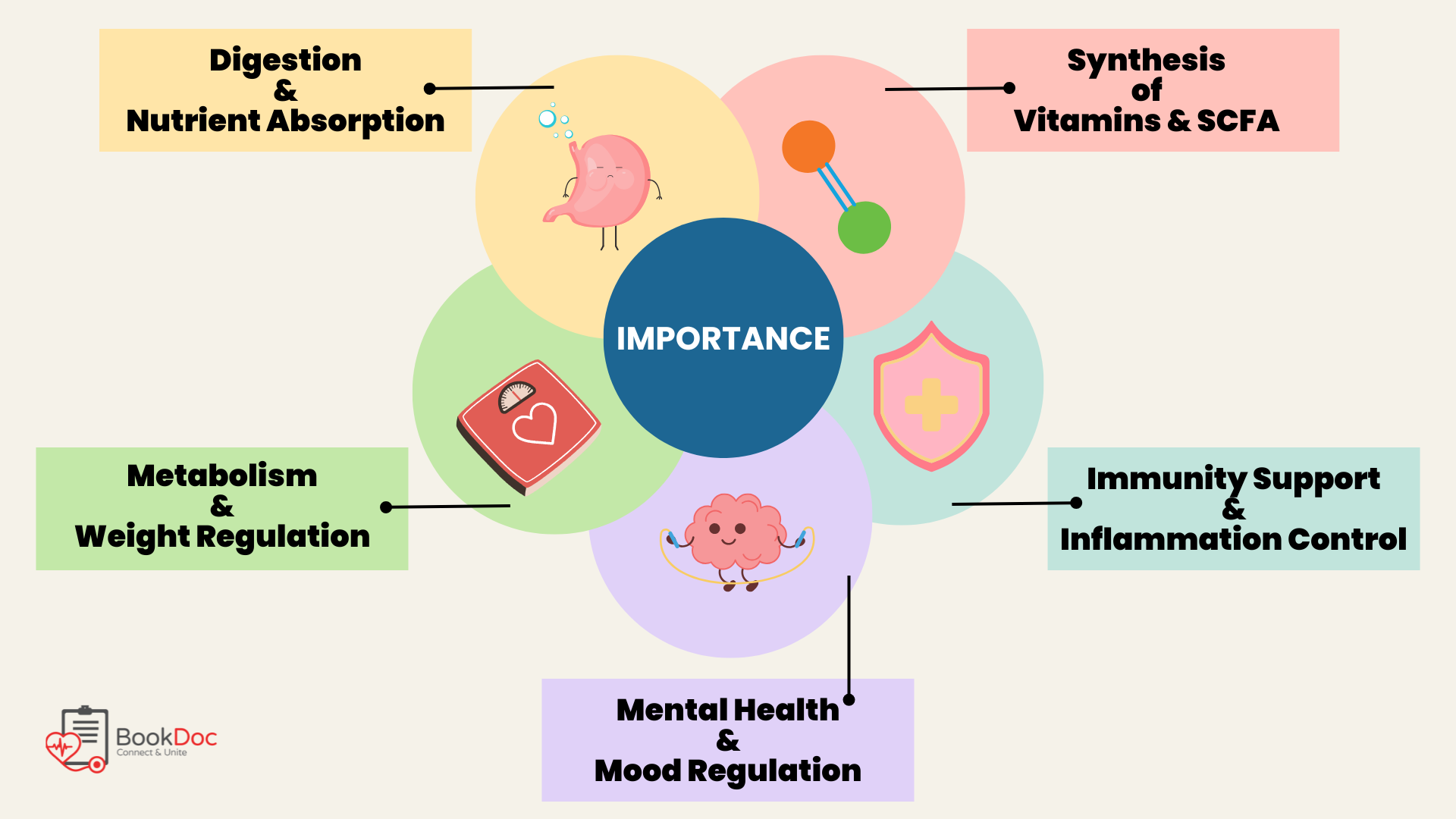
Our digestive system breaks down the food you eat, absorbs essential nutrients, and eliminates waste.
But beyond that, it also:
- Supports the immune system – Around 70% of your immune system is located in the gut, helping your body defend against harmful bacteria and infections. (Wiertsema et al., 2021)
- Supports metabolism and weight regulation – A healthy gut helps regulate how your body processes and stores nutrients, which can influence weight and overall metabolic health. (Wu et al., 2021)
- Influences energy levels & vitamin production – Your gut helps break down food and supports the production of certain vitamins (like B vitamins), which are essential for energy. (Jandhyala et al., 2015)
- Plays a role in mood and mental well-being – The gut and brain are closely connected through the gut-brain axis, meaning poor gut health can affect stress levels, mood, and even sleep. (Appleton, 2018)
In fact, our gut is often referred to as your “second brain” — highlighting just how important it is to overall health.
Common Signs Your Gut May Need Attention
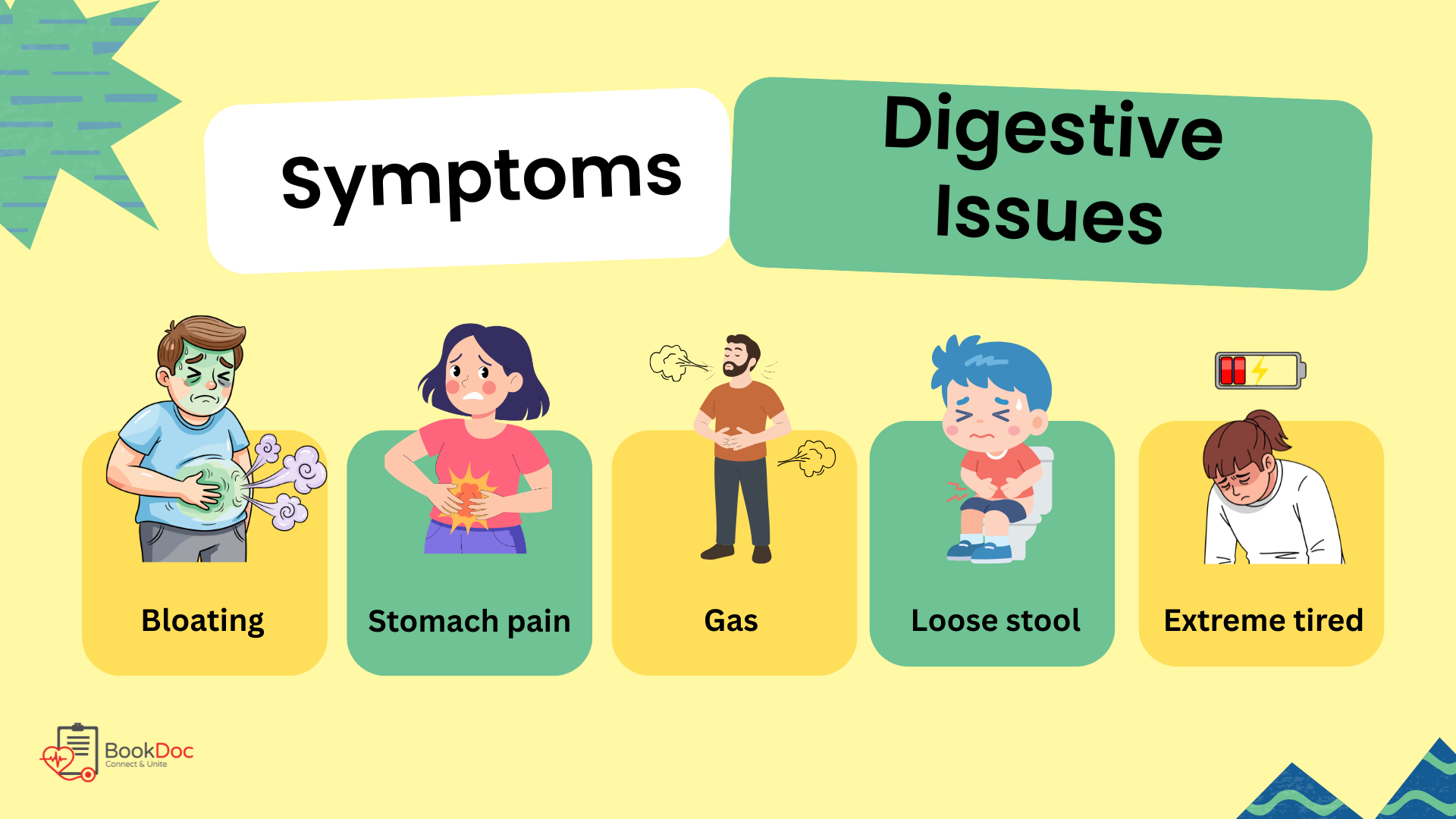
Digestive issues don’t always show up in obvious ways. Some common signs include:
- Frequent bloating or gas
- Stomach pain
- Constipation or diarrhoea
- Acid reflux or heartburn
- Feeling sluggish after meals
- Irregular bowel habits
While occasional symptoms are normal, frequent or persistent discomfort may be a sign that your gut needs more attention — and in some cases, medical support. Lifestyle changes can improve many mild digestive issues, but some symptoms shouldn’t be ignored.
Consider speaking to a healthcare professional if you experience:
- Ongoing constipation or diarrhoea
- Severe abdominal pain
- Unexplained weight loss
- Frequent or worsening acid reflux
Getting the right advice early can help prevent more serious complications.
What Affects Your Gut Health?
If you’re not experiencing any of the more serious symptoms above, your gut discomfort is often linked to everyday lifestyle habits — many of which can be improved.
This is because your daily habits play a major role in how well your digestive system functions.
Some key factors include:
- Low fibre intake — not enough fruits, vegetables, and whole grains
- Poor hydration — water helps keep digestion moving smoothly
- Sedentary lifestyle — movement supports gut motility
- High intake of processed foods
- Stress and irregular routines
The good news is that these are all factors you can improve with small, consistent changes.
Simple Ways to Support Your Digestive Health
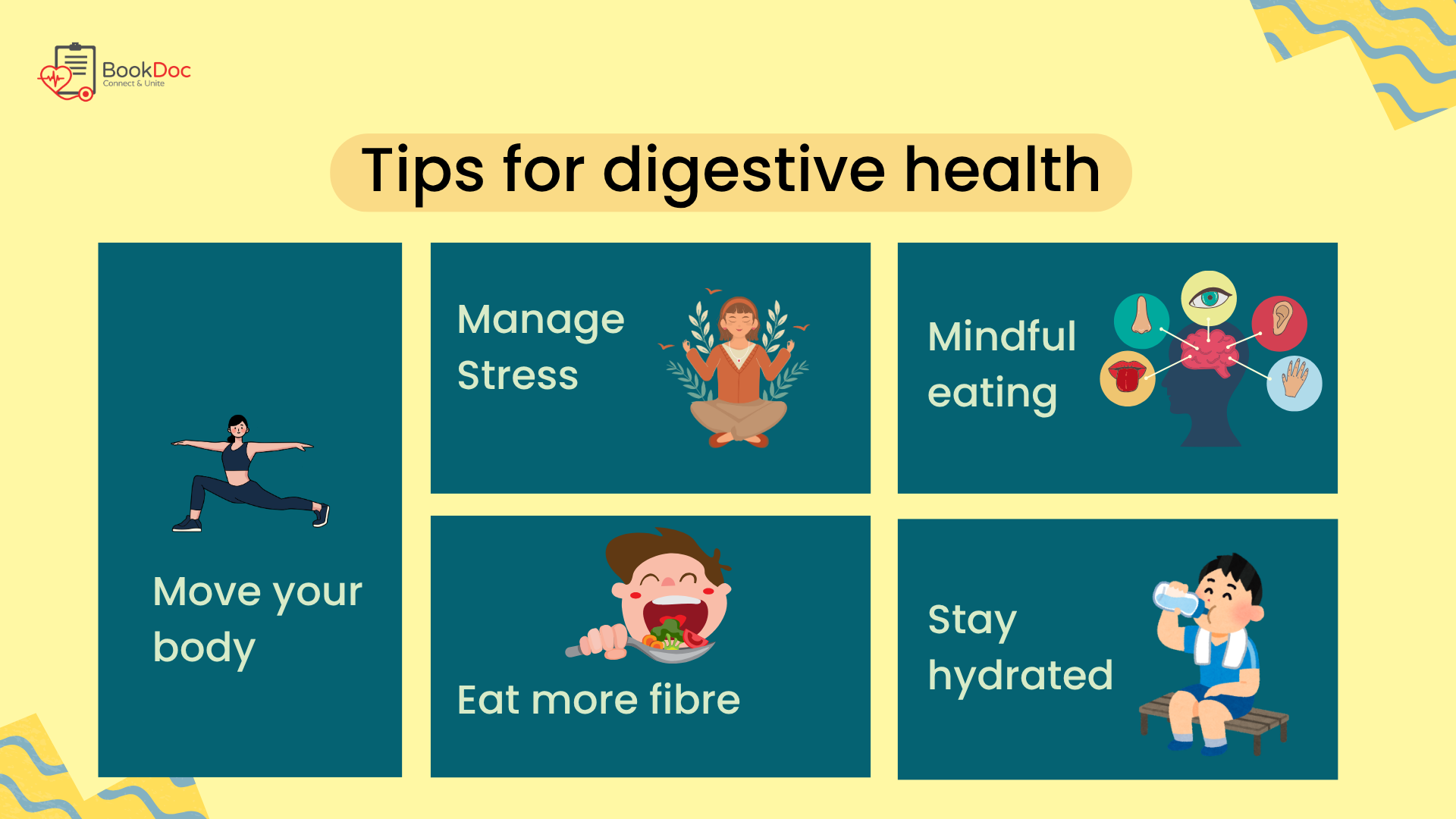
You don’t need extreme diets or complicated routines. Often, it’s the basics done consistently that make the biggest difference.
- Eat more fibre – Include vegetables, fruits, whole grains, and legumes to support regular bowel movements.
Try this: Add a serving of vegetables to each meal, snack on fruits like papaya or banana, or switch from white rice to brown rice or wholegrain bread.
- Stay hydrated – Water helps soften stool and supports smoother digestion.
Try this: Keep a water bottle with you and aim to drink regularly throughout the day, especially between meals.
- Move your body – Even light activities like walking can help stimulate digestion.
Try this: Take a 10–15 minute walk after meals or choose the stairs instead of the lift when possible.
- Eat mindfully – Slow down, chew your food well, and avoid distractions while eating.
Try this: Put your phone aside during meals and take time to chew your food properly before swallowing.
- Manage stress – Your gut and brain are closely connected — high stress can disrupt digestion.
Try this: Practice simple habits like deep breathing, short breaks during work, or getting enough sleep.
💡 Tip: Fibre and water work best together — increasing one without the other may not be as effective.
Conclusion – Small Habits, Better Digestion
Your digestive system works quietly in the background every day — but when it’s out of balance, you feel it.
This World Digestive Health Day, take a moment to check in with your gut.
Small habits — like eating more fibre, staying hydrated, and moving regularly — can go a long way in supporting smoother digestion and better overall well-being.
Because better gut health isn’t about perfection — it’s about consistency.
Written by Dietitian Jonathan, BookDoc
References:
1. Wiertsema, S. P., van Bergenhenegouwen, J., Garssen, J., & Knippels, L. M. J. (2021). The interplay between the gut microbiome and the immune system in the context of infectious diseases throughout life and the role of nutrition in optimizing treatment strategies. Nutrients, 13(3), 886.
2. Wu, J., Wang, K., Wang, X., Pang, Y., & Jiang, C. (2021). The role of the gut microbiome and its metabolites in metabolic diseases. Protein & Cell, 12(5), 360–373.
3. Jandhyala, S. M., Talukdar, R., Subramanyam, C., Vuyyuru, H., Sasikala, M., & Nageshwar Reddy, D. (2015). Role of the normal gut microbiota. World Journal of Gastroenterology, 21(29), 8787–8803.
4. Appleton, J. (2018). The gut-brain axis: Influence of microbiota on mood and mental health. Integrative Medicine (Encinitas, Calif.), 17(4), 28–32.