






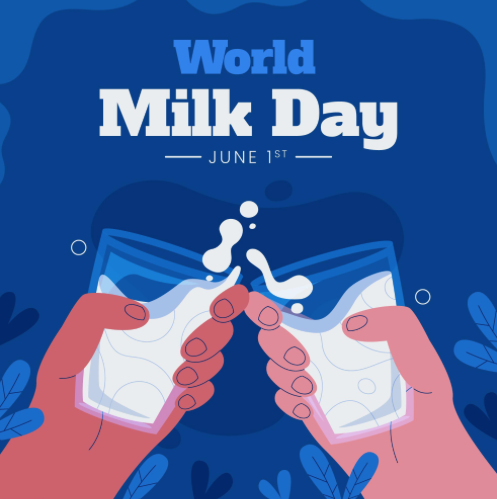
Every year on 1 June, World Milk Day, we celebrate the role milk plays in our daily nutrition.
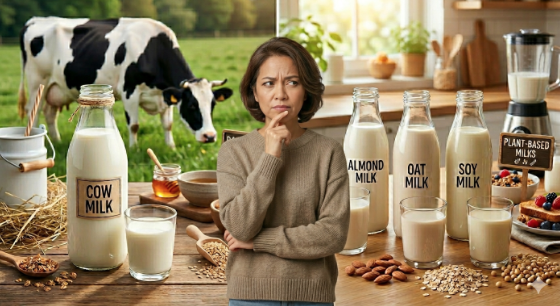
But today, the question is no longer just “Should I drink milk?” — it’s “Which milk is better for me?”
Walk into any café or supermarket today, and you’ll see shelves filled with oat, almond, and soy milk. For many people, plant-based milk has become the “healthier” choice, often seen as cleaner, lighter, and better for the body than regular dairy milk.
But is plant-based milk truly superior, or is it simply a growing wellness trend?
So, let’s break it down simply.
Dairy Milk: The Nutrient Powerhouse
Dairy milk has long been a staple in many diets — and for good reason.
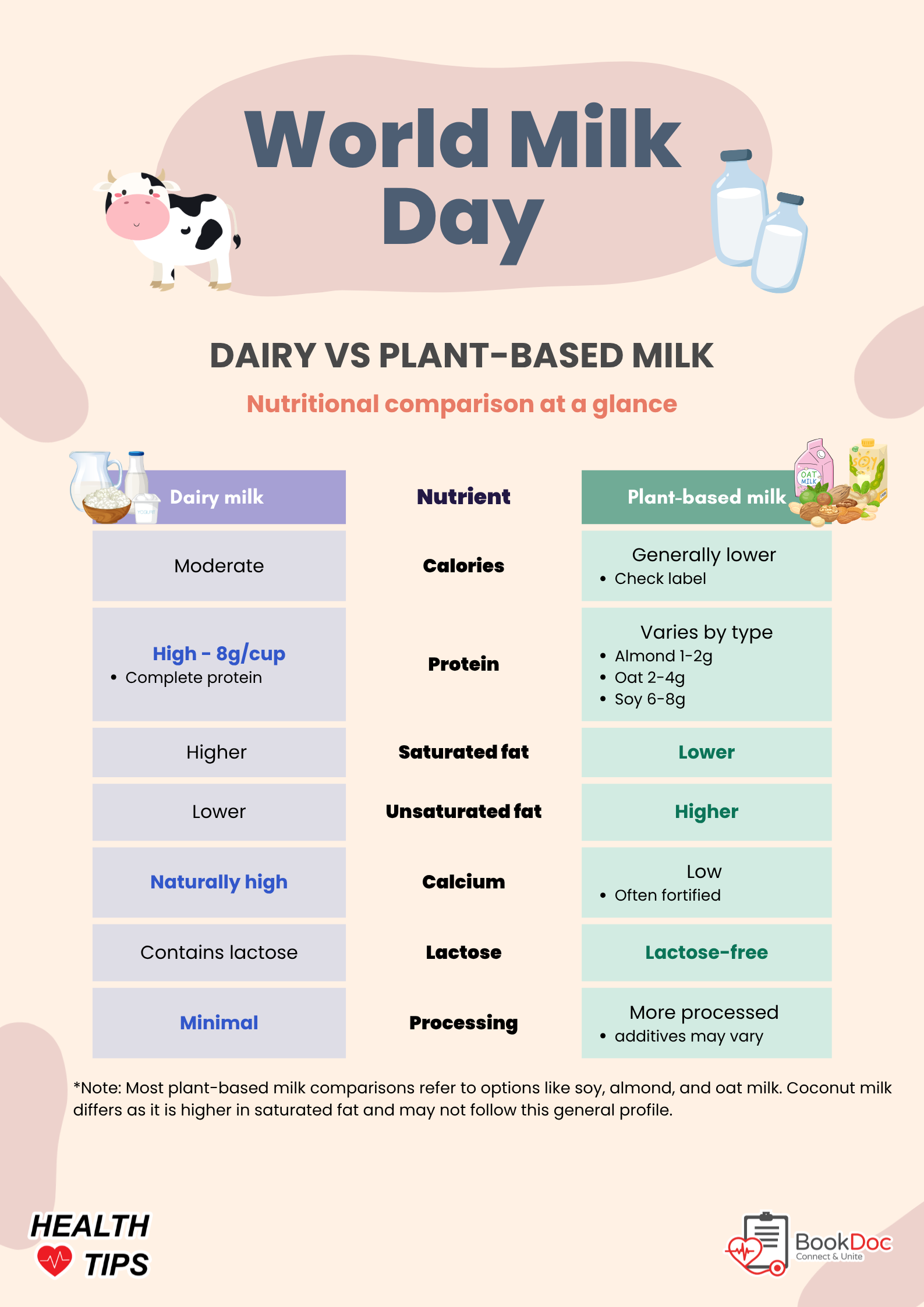
A standard glass provides around 8g of protein, along with calcium, vitamin D, and B12 — making it a filling, nutrient-dense option, especially for growing children, active individuals, and those looking to stay fuller for longer.
Plant-Based Milk: A Modern Alternative
Plant-based milk has grown in popularity, especially among those who are lactose intolerant, vegan, or simply exploring alternatives.
Common options include:
- Soy milk
- Almond milk
- Oat milk
- Coconut milk
These drinks are often lower in calories (depending on type) and naturally lactose-free.
However, here’s what many people don’t realise:
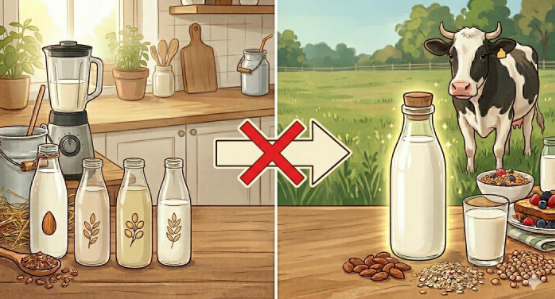
Not all plant-based milks are nutritionally equal to dairy milk.
Some may:
- Be low in protein (e.g., almond milk)
- Contain added sugars
- Require fortification to match calcium and vitamin levels — or may not contain them at all
That said, plant-based milks do have their advantages. They are often lower in calories, which may benefit those aiming for weight loss. They also tend to be lower in saturated fat and higher in monounsaturated and polyunsaturated fats (particularly soy and oat milk), making them a suitable option for individuals managing heart health conditions such as high cholesterol or high blood pressure.
Dairy vs Plant-Based Milk: What’s the Difference?
Here’s a simple comparison:
So… Which One Is Better?
There’s no one-size-fits-all answer. It depends on your needs and lifestyle.
Choose dairy milk if you:
- Want a natural source of protein and calcium – especially during growth or if you are at risk of osteoporosis
- Need higher satiety (helps with weight management)
- Have no lactose intolerance
Choose plant-based milk if you:
- Are lactose intolerant or vegan
- Prefer a lighter option
- Are mindful of choosing unsweetened and fortified versions
- Are looking to reduce saturated fat and increase unsaturated fat intake to support heart health
Making Smarter Choices Daily
No matter your choice, keep these tips in mind:
- Go for unsweetened options
- Check the protein content
- Look for calcium-fortified products (for plant-based)
- Pair milk with balanced meals (protein + fibre + carbs)
Because ultimately, it’s not about choosing “perfect” — it’s about choosing what works for your body consistently.
World Milk Day: It’s About Balance, Not Elimination
Milk — whether dairy or plant-based — can be part of a healthy diet. The key is choosing what meets your nutritional needs, fits your lifestyle, and keeps you feeling your best.
Because sustainable nutrition isn’t about restriction — it’s about balance.
Written by Dietitian Jonathan, BookDoc