







You went for a health screening and your blood sugar came back “a bit high.” Suddenly, people start telling you to “cut sugar,” “stop rice,” or “avoid sweet foods.”
But what does that actually mean? Do you need to give up dessert forever? Stop eating fruit? Switch to cauliflower rice?
Not exactly.
Diabetes is one of the most misunderstood conditions. Many people think it is only about high sugar levels but in reality, it’s about how your body uses glucose, insulin, and energy [1]. And yes, your blood sugar levels can go up even if you rarely eat sweets.
Let’s break down what diabetes really is, how to understand your test results, and what those numbers actually mean without fear or confusion.
What Exactly Is Diabetes? (And Why Should You Care?)
Diabetes is a chronic condition where your body cannot regulate blood sugar properly [2].
Normally, when you eat, your body breaks down food into glucose. To use that glucose, you need insulin, a hormone made by the pancreas.
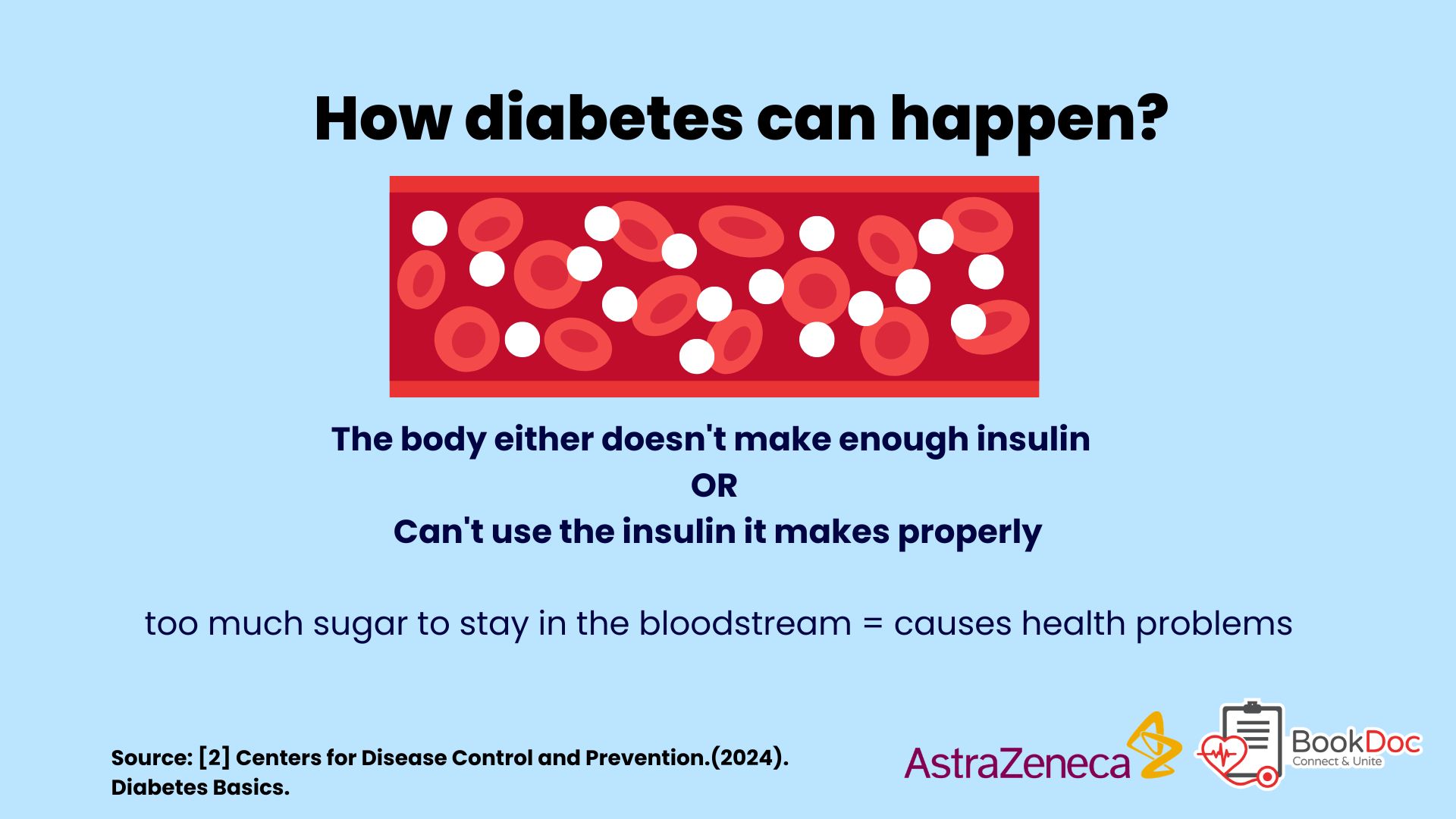
Figure 1. What is Diabetes?
Source: Adapted from Centers for Disease Control and Prevention, 2024 [2].
This causes glucose to stay in your bloodstream, leading to high blood sugar.
Over time, persistently high blood sugar can damage blood vessels, nerves, and vital organs such as the heart, kidneys, and eyes often before symptoms become obvious. This is why early awareness and screening are so important. [1]
Not All Diabetes Is the Same
Here are the main types you should know [2,3,4]:
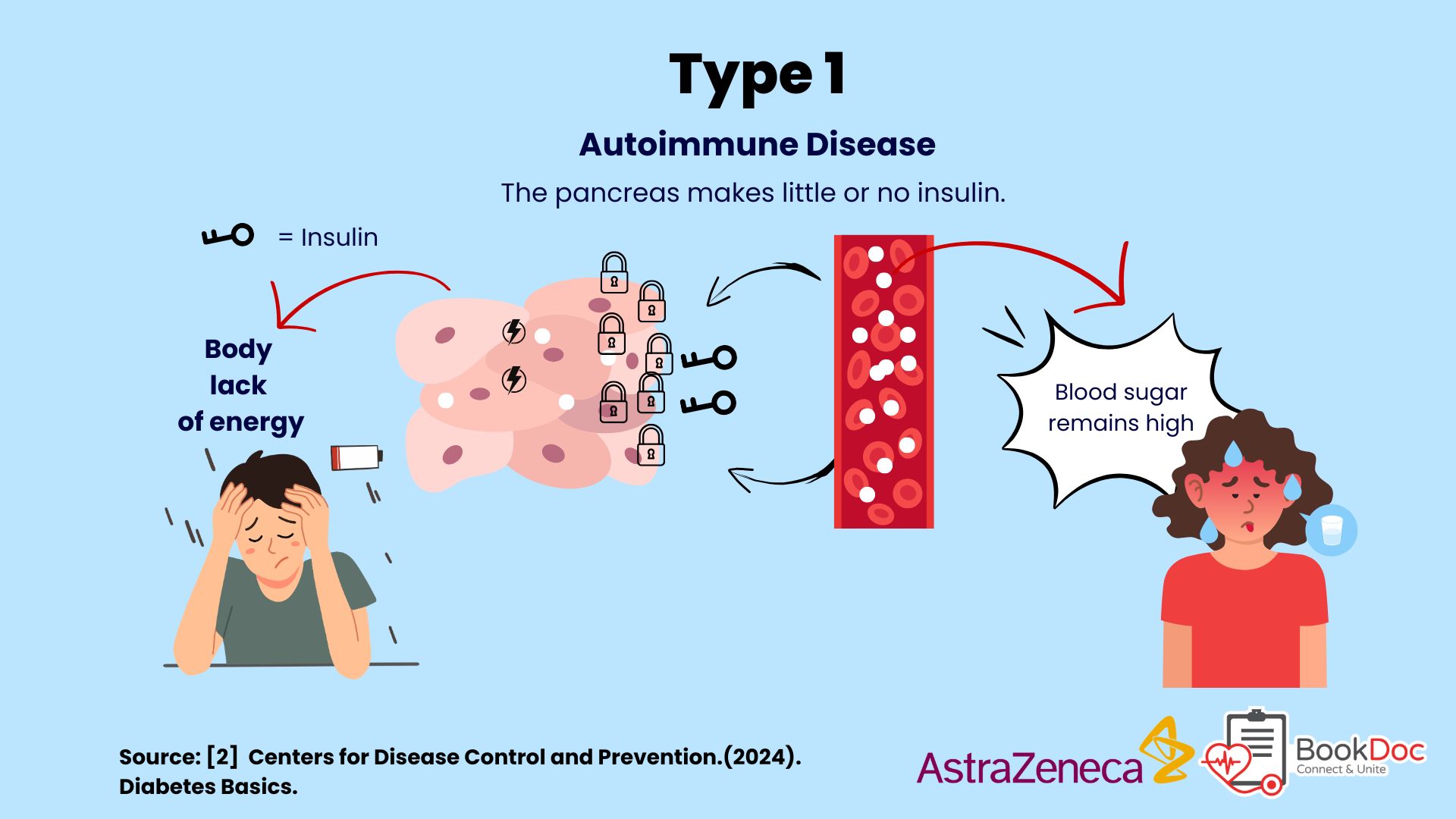
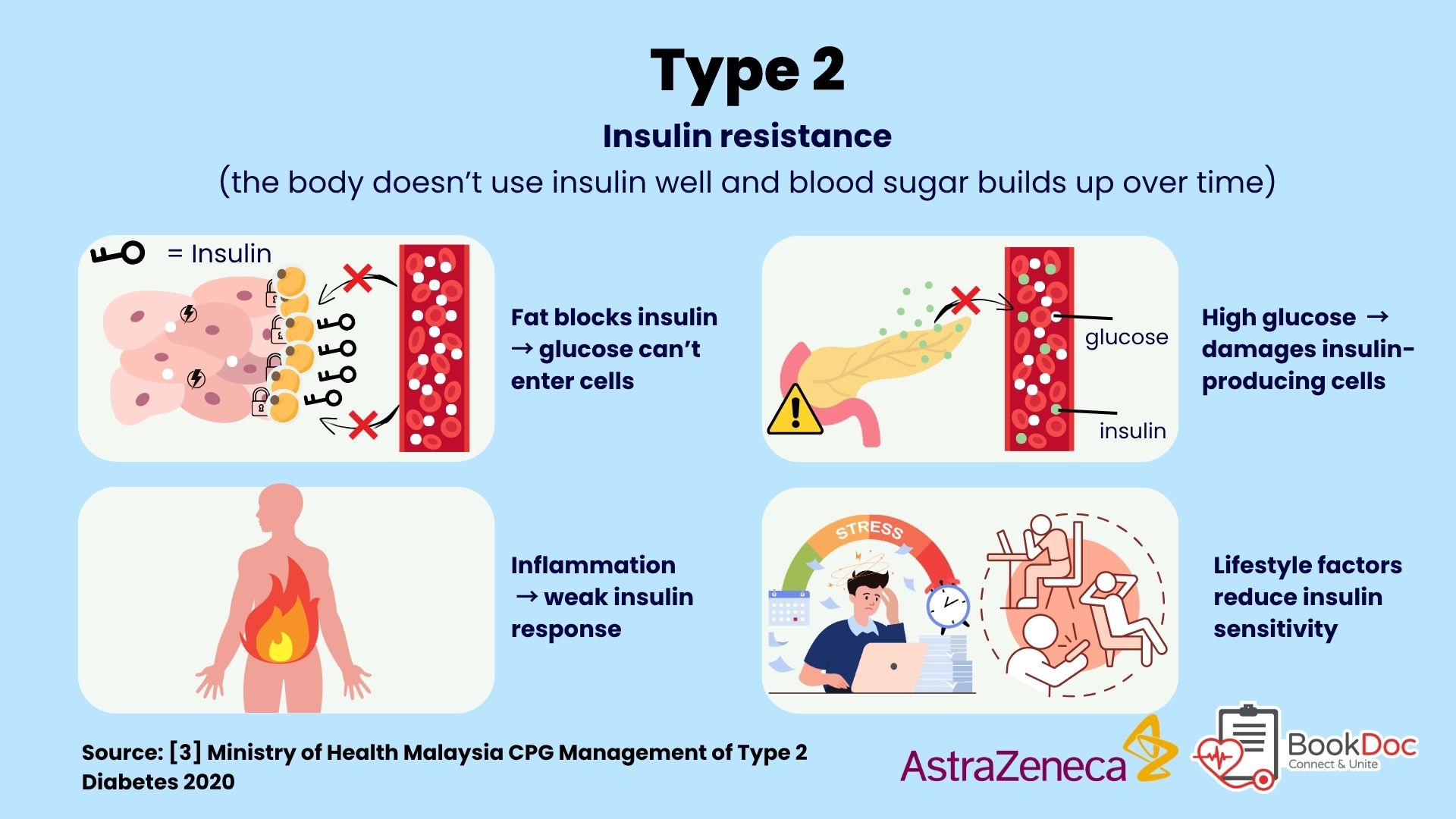
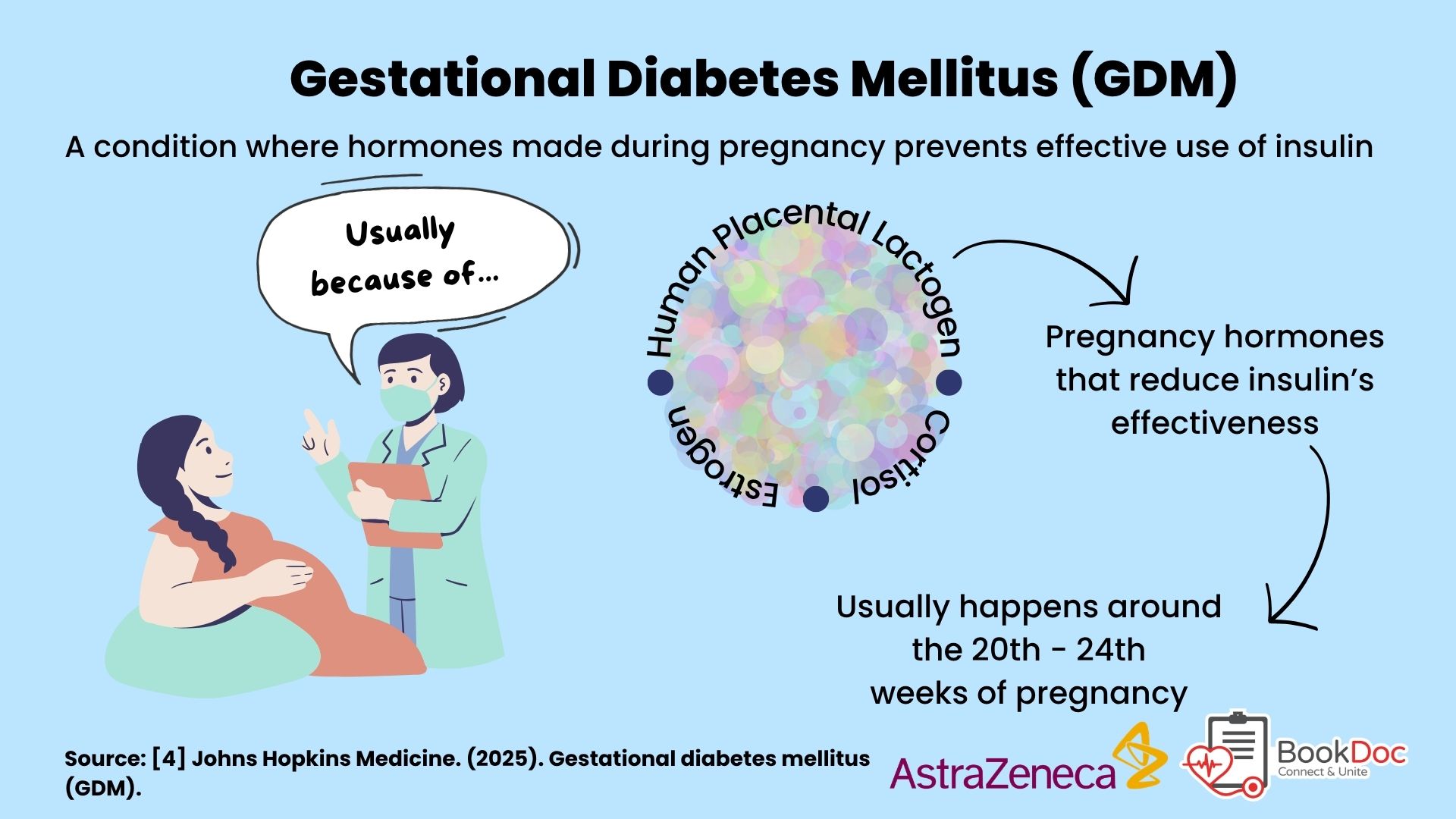
Figures 2–4. Overview of Type 1 Diabetes, Type 2 Diabetes, and Gestational Diabetes Mellitus (GDM)
Source: Adapted from Centers for Disease Control and Prevention (2024) [2], Ministry of Health Malaysia CPG (2020) [3], and Johns Hopkins Medicine (2025) [4].
Why Diabetes Happens: The Risk Factors
Diabetes risk is shaped by many factors, including genetics, daily habits, and underlying medical conditions [5].
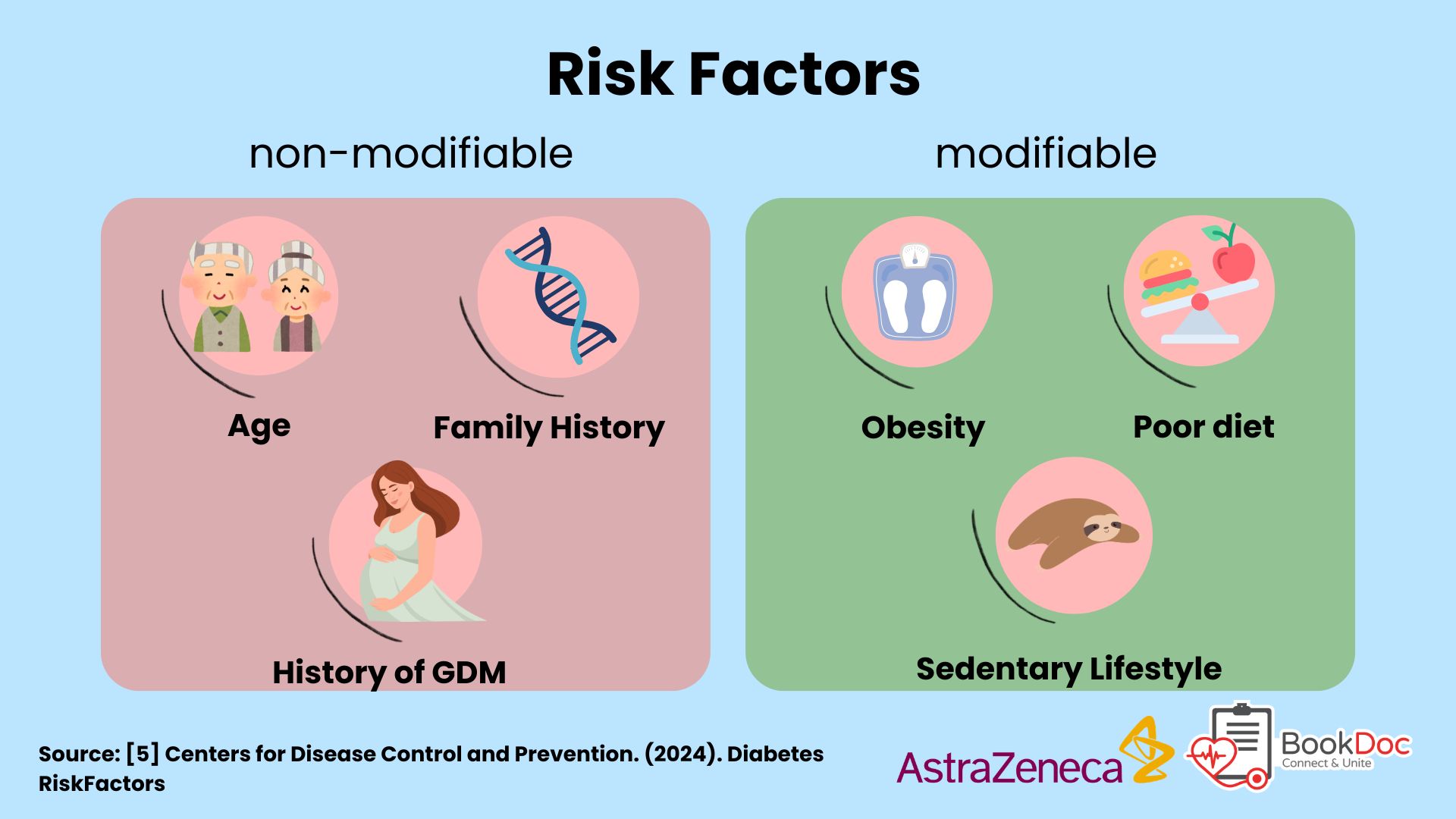
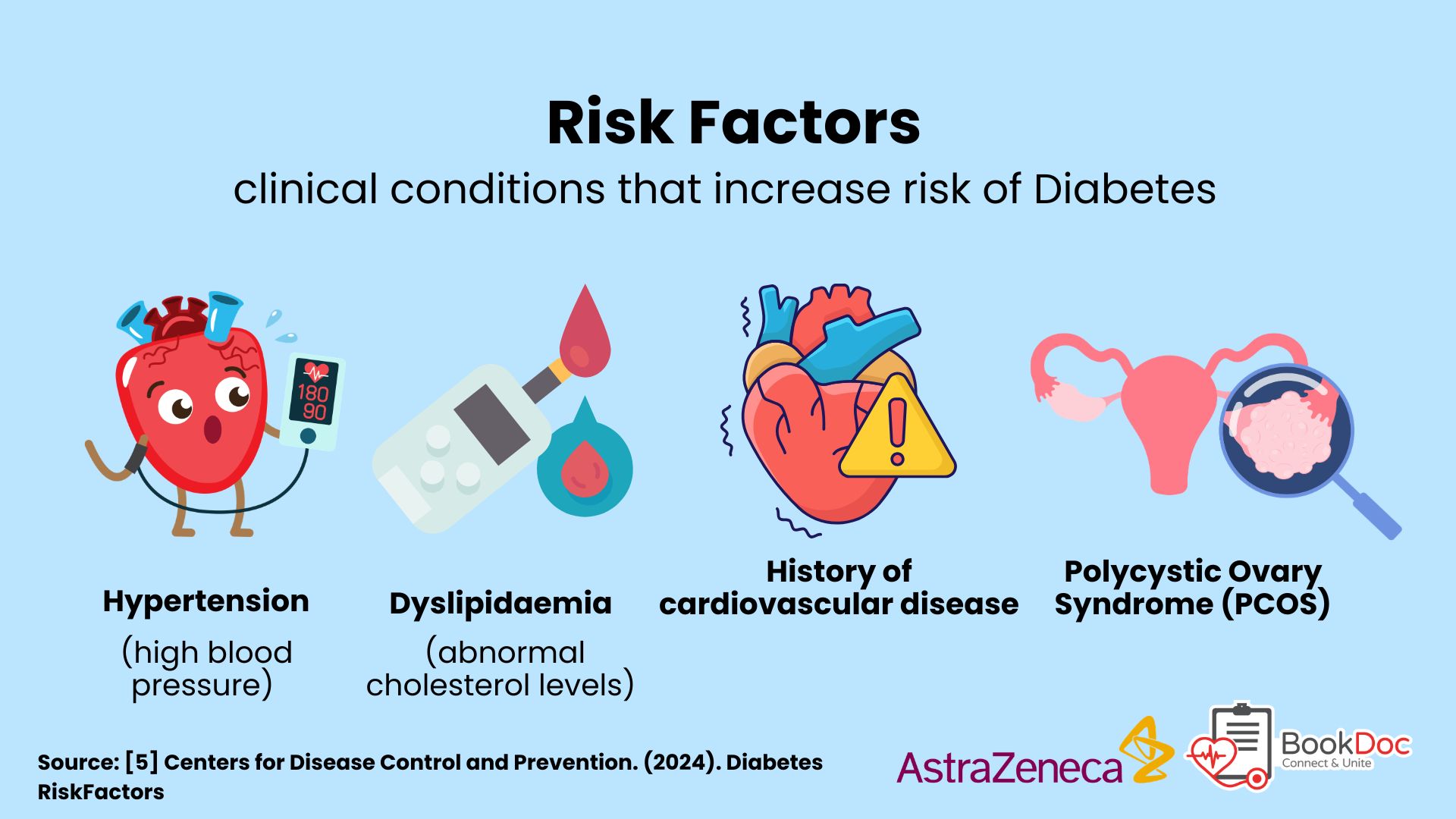
Figures 5–6. Figures 5–6. Non-Modifiable, Modifiable, and Clinical Risk Factors for Diabetes
Source: Adapted from Centers for Disease Control and Prevention (2024) [5].
The good news? Many of these risks can be reduced through lifestyle changes. More on this in Part 2, Tame your blood sugar: A smarter way to manage Diabetes.
Symptoms You Should Never Ignore
Many people have diabetes for years without knowing.
Here are the most common warning signs [6]:
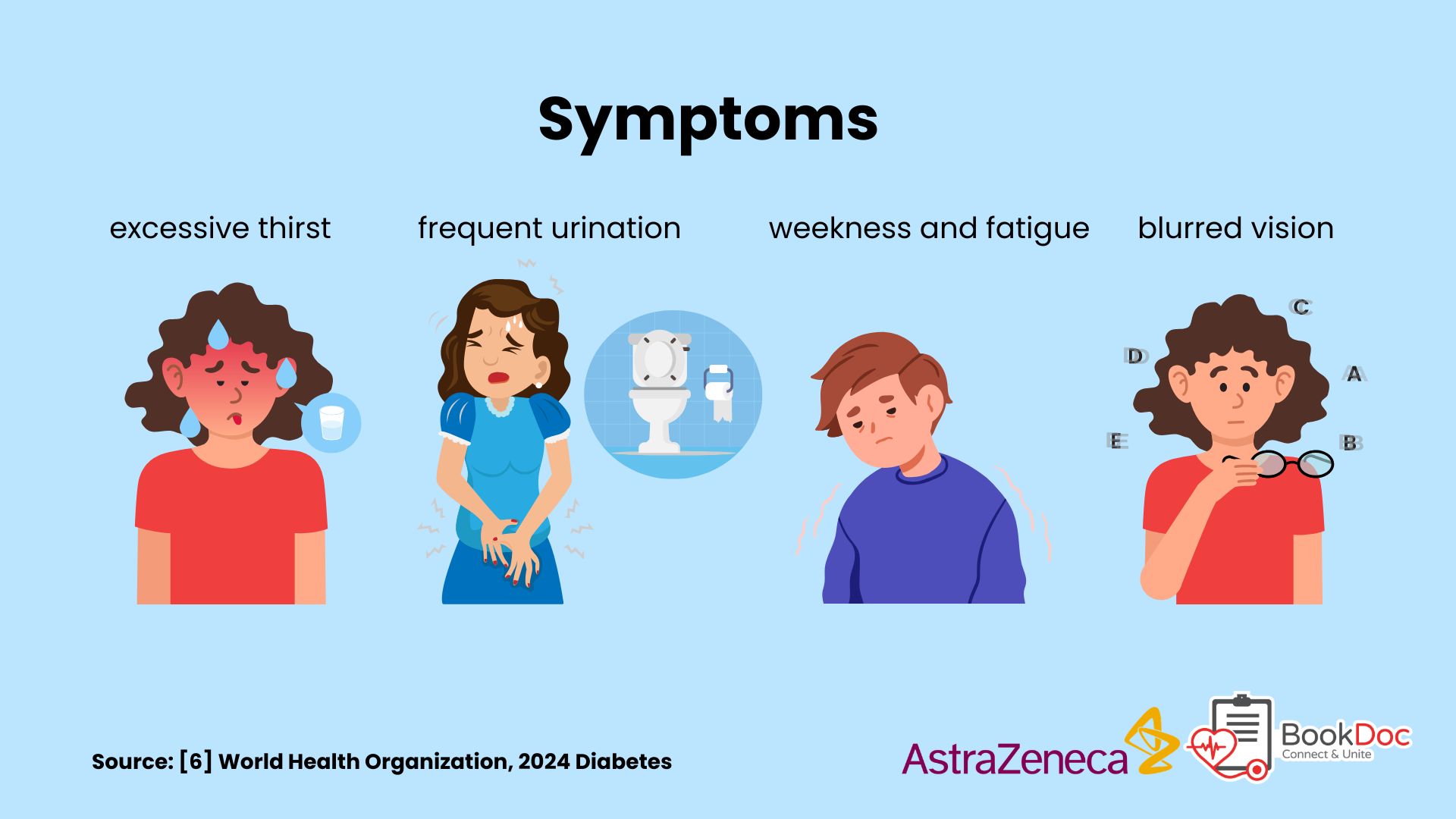
Figure 7. Common Symptoms of Diabetes
Source: Adapted from World Health Organization, 2024 [6].
If you notice these symptoms, get screened.
Understanding Your Numbers: How Diabetes Is Diagnosed
Diabetes is diagnosed using several blood tests that show how your body is handling glucose. One key test is HbA1c (glycated haemoglobin), which reflects your average blood sugar level over the past 3 months. Unlike a single blood sugar reading, HbA1c gives a bigger picture of long-term control, making it very useful for diagnosis and monitoring. A normal HbA1c level is below 5.7%, while 5.7–6.4% indicates prediabetes, and 6.5% or higher is diagnostic of diabetes [3].
Other tests include fasting blood glucose, which measures sugar after not eating for 8–12 hours, and random blood glucose, which can be taken at any time of the day regardless of meals. These tests are important because they help detect diabetes early even before symptoms appear allowing timely intervention to prevent complications.
These are the standard tests used by healthcare professionals [3]:
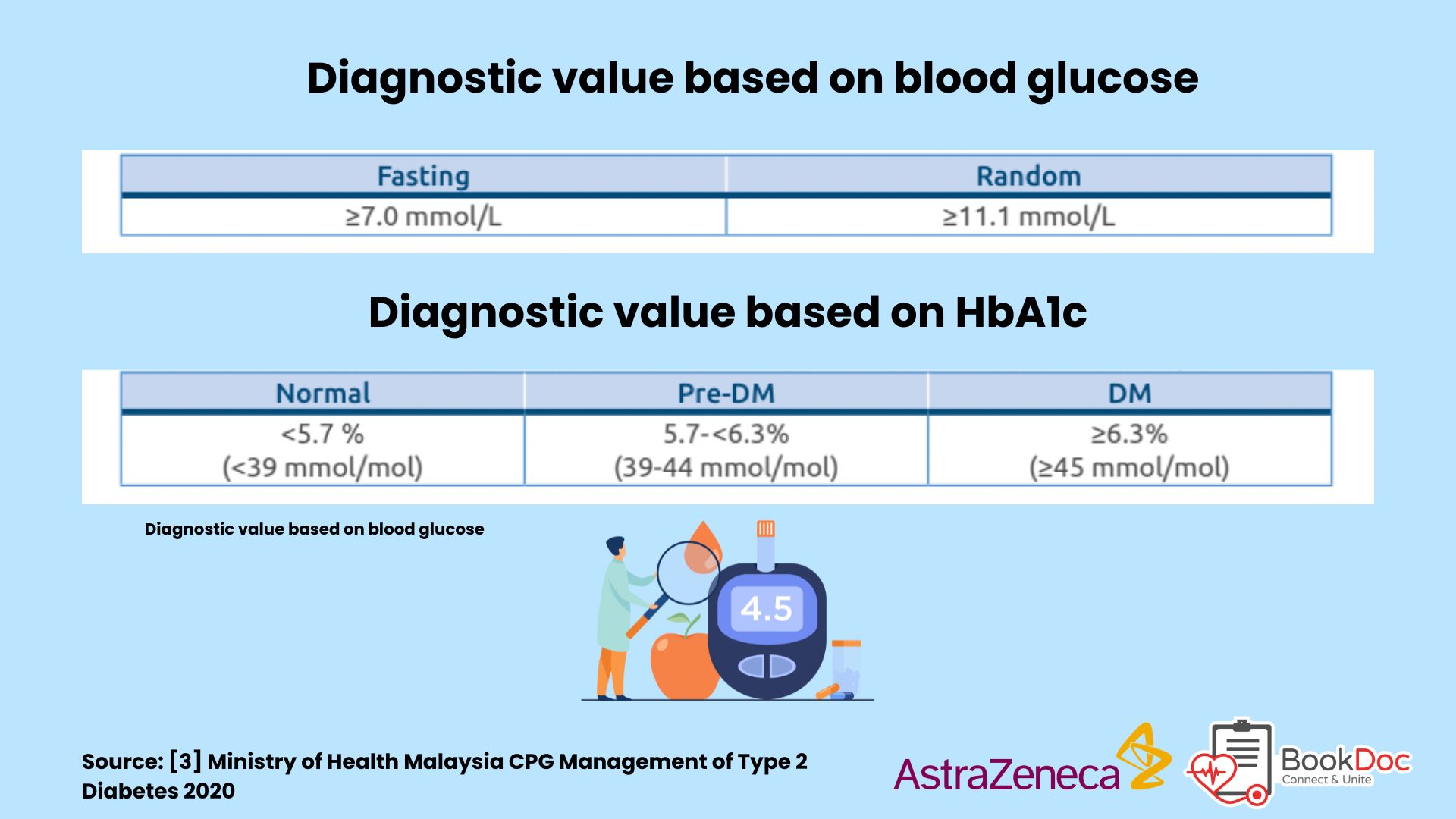
Figure 8. Diagnostic Criteria for Diabetes
Source: Ministry of Health Malaysia CPG Management of Type 2 Diabetes 2020, 2024 [3].
Why High Blood Sugar Is Dangerous — Even If You Feel Fine
Diabetes isn’t just about “sugar.” Even when you feel healthy, persistently high blood glucose quietly damages your body over time [7,8].
Here’s what happens:
Vascular & organ damage
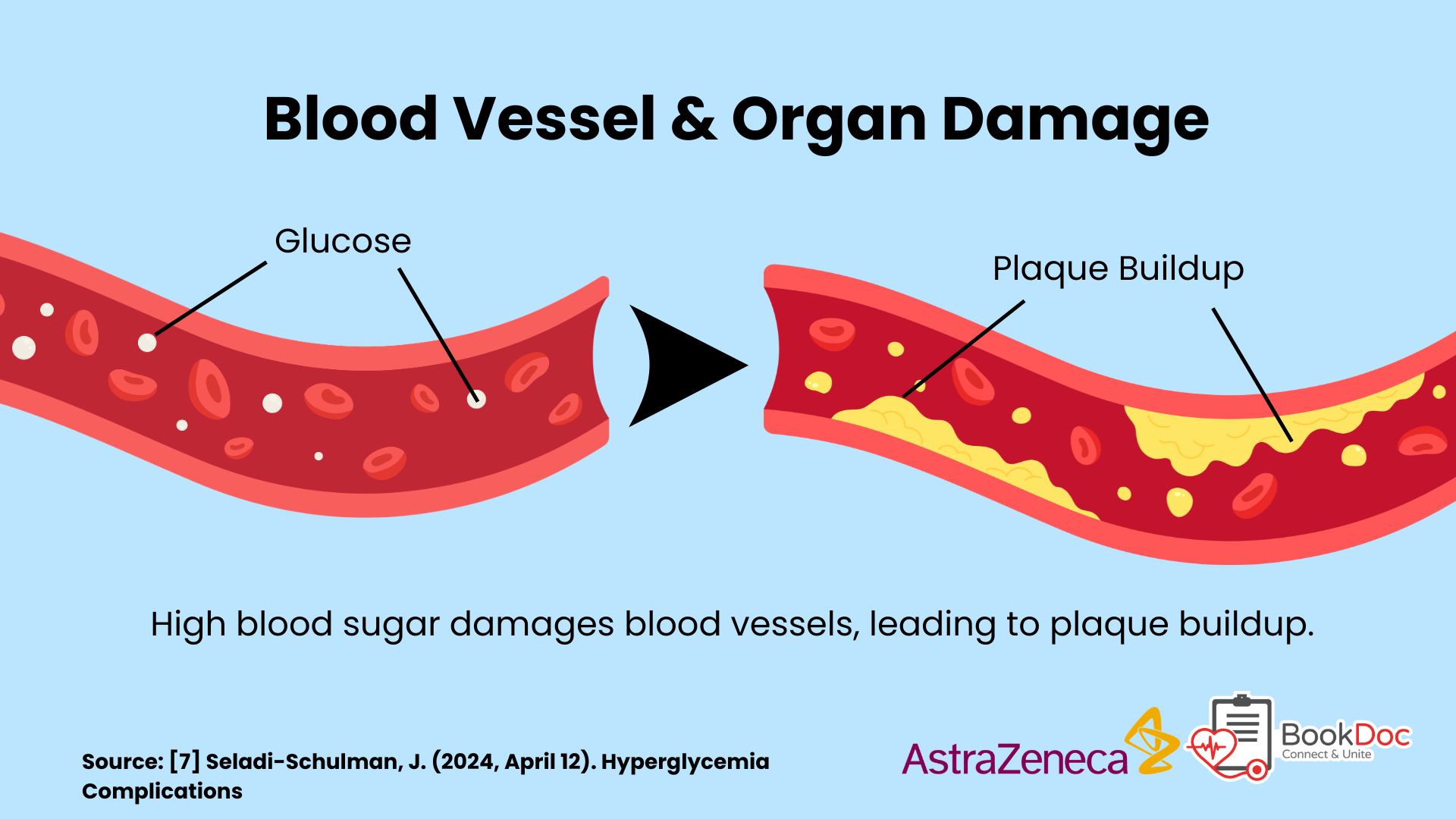
Figure 9. Illustration of High Blood Glucose Causes Plaque Buildup
Source: Adapted from Seladi-Schulman,J. 2024 [7].
High glucose injures the inner lining of blood vessels, making them stiff and prone to plaque buildup. Over time, this raises the risk of heart attack, stroke, and poor circulation. Small vessels in the kidneys, eyes, and nerves are also affected — leading to kidney disease, vision problems, and nerve damage.
Oxidative stress & inflammation
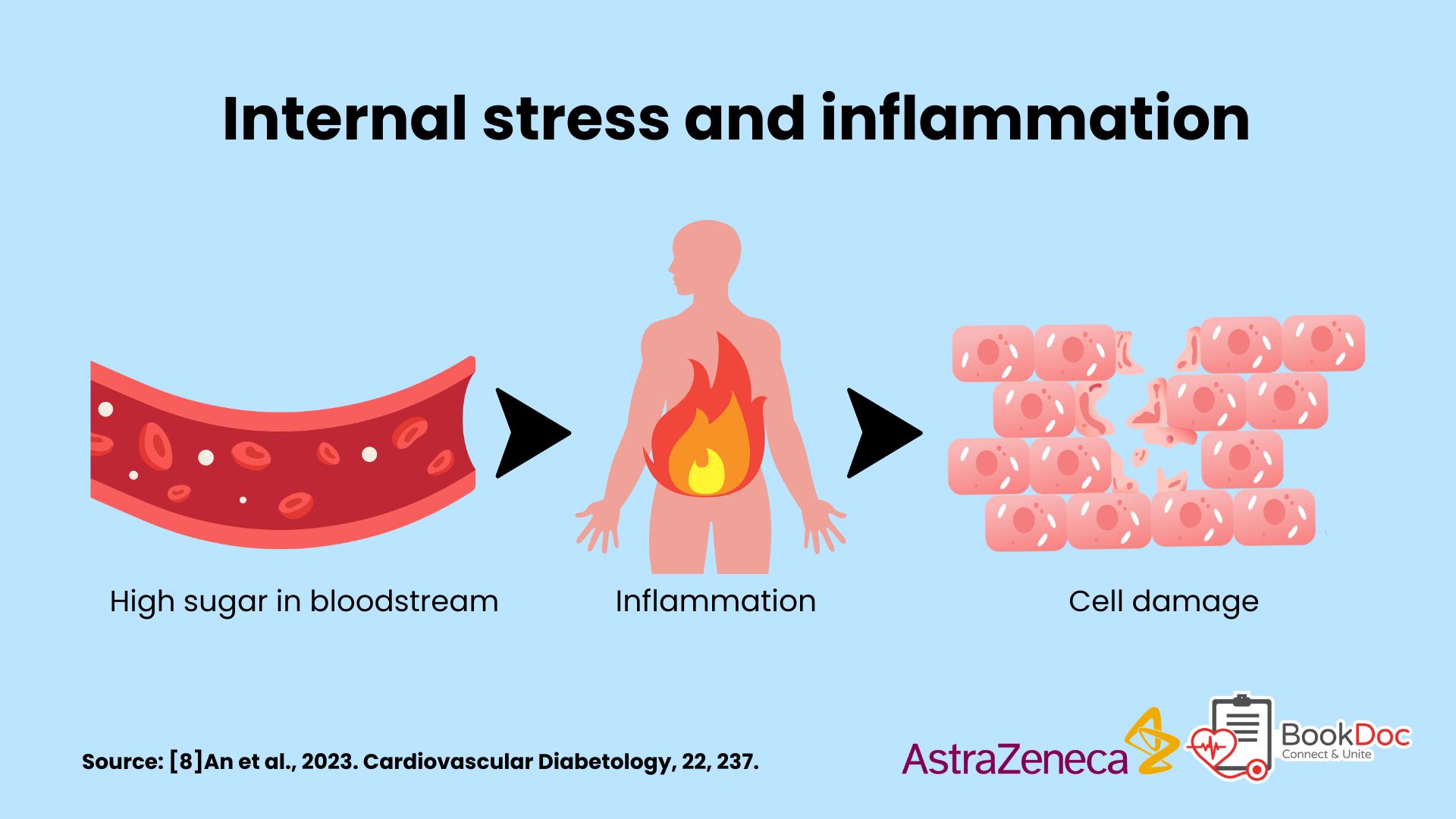
Figure 10. Illustration of Internal Stress, Inflammation leads to Cell Damage
Source: Adapted from An et al. 2023 [8].
Fluctuating or consistently high blood sugar triggers inflammation and oxidative stress, accelerating tissue damage and long-term complications.
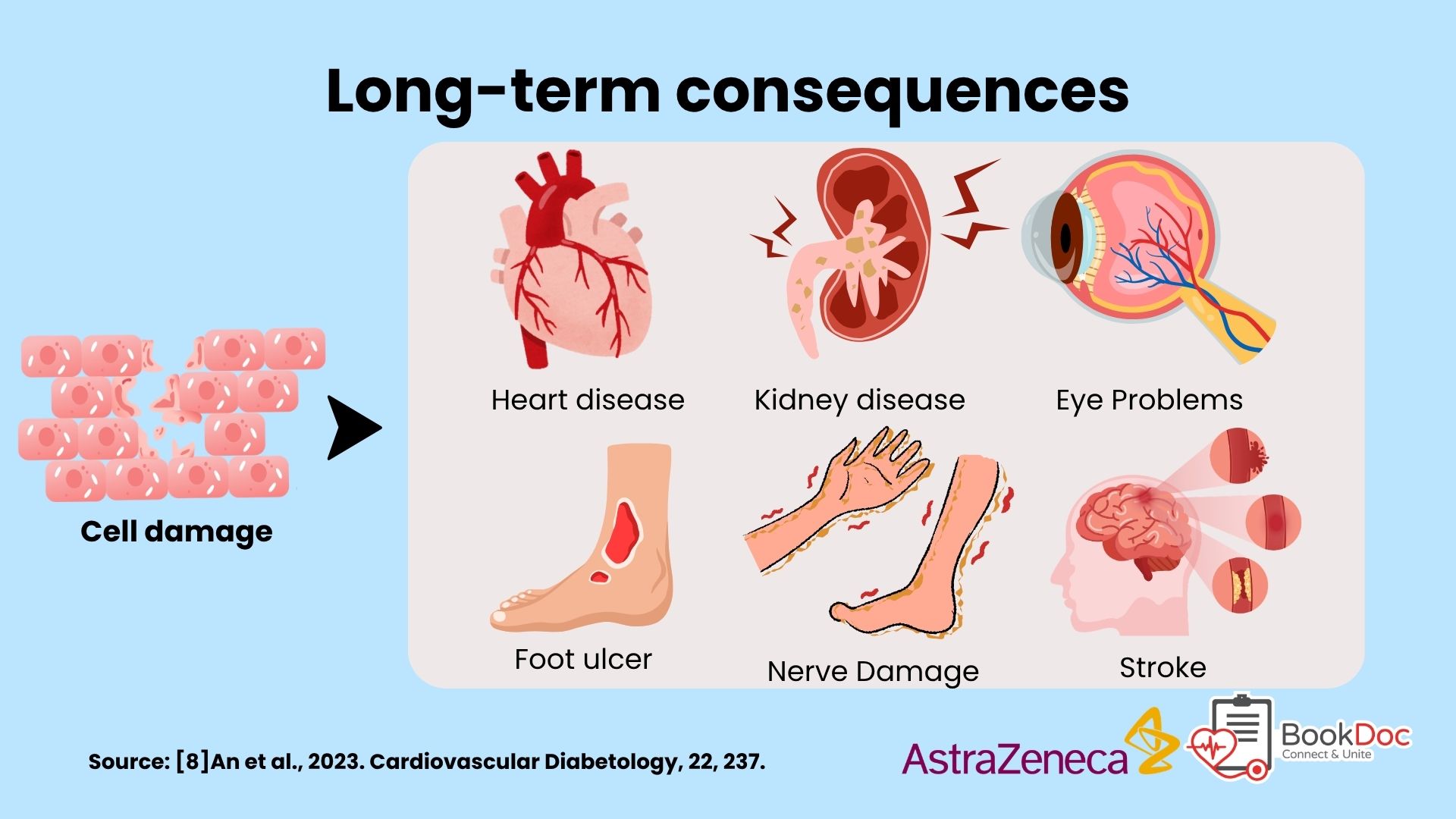
Figure 11. Illustration of Long Term Consequences of Organ Damage from High Blood Glucose
Source: Adapted from An et al. 2023 [8].
Metabolic strain
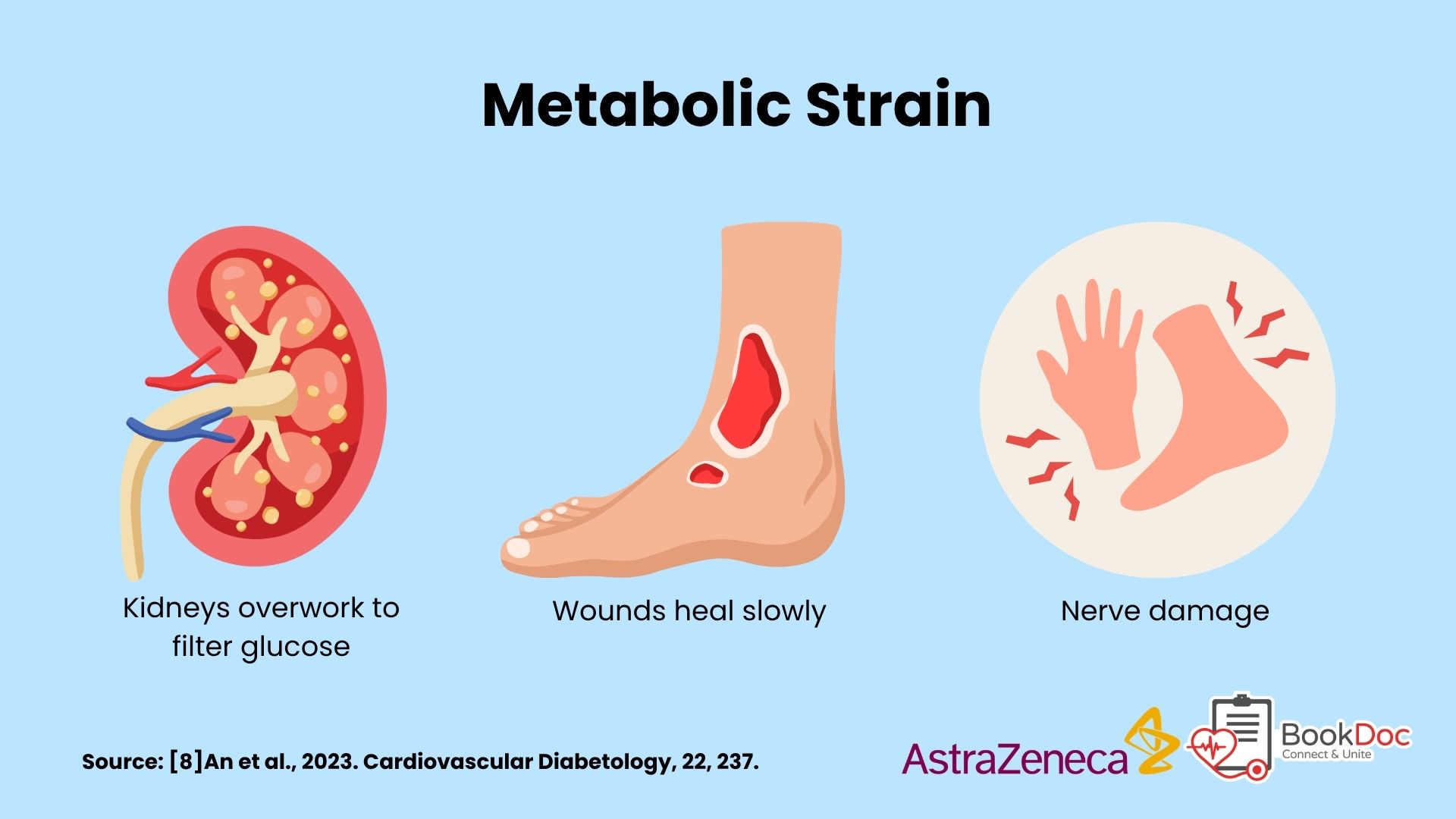
Figure 11. Illustration of Metabolic Strain on Organ Damage
Source: Adapted from An et al. 2023 [8].
Organs like the kidneys work overtime to filter excess glucose. Nerves can become damaged, circulation in the limbs declines, and wounds heal more slowly — increasing the risk of foot ulcers, infections, and even amputations.
Many adults with diabetes are also living with other conditions such as hypertension and dyslipidaemia. Recent Malaysian registry data found that dyslipidaemia and hypertension were among the most common comorbidities in adults with type 2 diabetes, underscoring how diabetes often develops and progresses alongside other health risks. [9].
The takeaway:
High blood sugar is harmful even before symptoms appear. Early detection, monitoring, and consistent management through lifestyle, medication, or both can prevent or delay serious complications and improve long-term health.
Why Early Detection & Awareness Matter
Because diabetes can remain silent for years (no obvious symptoms), many people only discover it once complications have begun. That means missed opportunities for prevention or early intervention.
Clinical guidelines recommend screening individuals at higher risk of diabetes, including those with overweight or obesity, a family history of diabetes, hypertension, dyslipidaemia, or advancing age [1].
Early detection offers several advantages:
- Opportunity to implement lifestyle changes (diet, physical activity, weight management) before complications develop.
- Early monitoring of other risk factors (blood pressure, lipids, kidney function) to reduce long-term risk.
- Possibility of better long-term prognosis and quality of life.
- Reduces burden on healthcare system: fewer advanced complications, hospitalizations, long-term care.
💡 Good news: Even if diabetes runs in your family, lifestyle changes, monitoring, and medical care can make a difference.
👉 Learn more about diabetes, screening, and footcare at https://mysihatpal.com.my/beyond-sugar/diabetes/
Summary — What You Should Take Away
Diabetes isn’t simply “too much sugar.” It’s a metabolic condition involving insulin, how your body responds to it, and a mix of lifestyle and genetic factors. Your blood sugar results, whether fasting glucose, or HbA1c (average blood sugar level over the past 3 months) aren’t a verdict; they’re a snapshot of how well your body handles glucose.
Understanding your risk factors, both modifiable (weight, diet, activity) and non-modifiable (age, family history), helps you take early action. With timely detection and consistent management, the risks of serious complications including heart disease, kidney damage, nerve problems, and vision loss can be greatly reduced.
Knowledge gives you clarity. Action gives you control. In Part 2, we’ll walk you through simple, proven strategies to manage your blood sugar with confidence.
Written by Dietitian Adriana
References
- American Diabetes Association Professional Practice Committee. (2025). Standards of care in diabetes—2025. Diabetes Care, 48(Supplement_1). https://doi.org/10.2337/dc25-SINT
- CDC. (2024, May 15). Diabetes Basics. Www.cdc.gov. https://www.cdc.gov/diabetes/about/index.html
- Ministry of Health Malaysia; Malaysian Health Technology Assessment Section. (2020).Management of Type 2 Diabetes (Second Edition).https://www.moh.gov.my/images/04-penerbitan/penerbitan-klinikal/panduan-amalan-klinikal/CPG_T2DM_6th_Edition_2020_13042021.pdf
- Johns Hopkins Medicine. (2025). Gestational diabetes mellitus (GDM). JohnsHopkinsMedicine. https://www.hopkinsmedicine.org/health/conditions-and-diseases/diabetes/gestational-diabetes
- Centers for Disease Control and Prevention. (2024, May 15). Diabetes RiskFactors.Diabetes. https://www.cdc.gov/diabetes/risk-factors/index.html
- World Health Organization. (2024, November 14). Diabetes. World HealthOrganization. https://www.who.int/news-room/fact-sheets/detail/diabetes
- Seladi-Schulman, J. (2024, April 12). Hyperglycemia Complications and How to Manage Your Blood Sugar Levels. Healthline. https://www.healthline.com/health/diabetes/hyperglycemia-complications
- An, Y., Xu, B.-T., Wan, S.-R., Ma, X.-M., Long, Y., Xu, Y., & Jiang, Z.-Z. (2023). The role of oxidative stress in diabetes mellitus-induced vascular endothelial dysfunction. Cardiovascular Diabetology, 22(1), 237. https://doi.org/10.1186/s12933-023-01965-7
- Lim, L. L., et al. (2025). Cohort profile: The Multiethnic Lifestyle, Obesity and Diabetes Registry in Malaysia (MeLODY) retrospective cohort in a middle-income country in Southeast Asia. PLOS ONE.
Approval code: MY-20001_June2026