



You feel fine. You go to work, enjoy your meals, and carry on with your usual routine. So, is there any reason to check your blood sugar?
For some people, the answer may be yes.
Type 2 diabetes can develop gradually, often without obvious symptoms in its early stages. By the time someone notices excessive thirst, frequent urination, or unexplained weight loss, their blood glucose may already have been elevated for some time.
This is why the 2026 World Diabetes Day theme, “Early Action on Diabetes,” highlights the importance of early diagnosis and risk reduction.
The key is not to wait until something feels wrong before paying attention to your health.
1. The Problem with Waiting for Symptoms
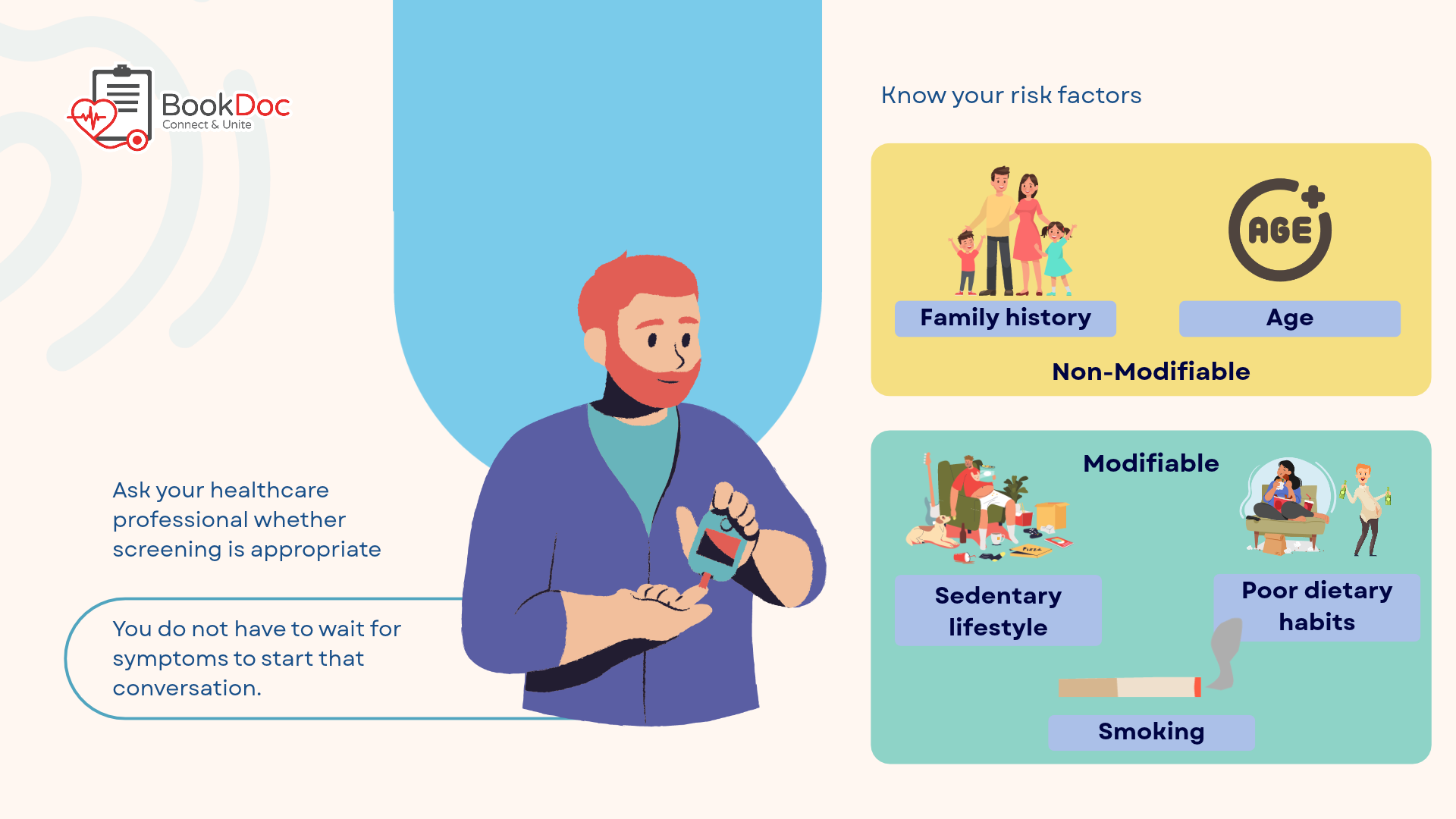
Diabetes risk is not always visible. You may feel healthy while having risk factors such as a family history of type 2 diabetes, excess abdominal fat, physical inactivity, high blood pressure, or a history of gestational diabetes.
These factors do not mean you definitely have diabetes. However, they are reasons to discuss screening with your healthcare professional.
In Malaysia, where routine health checks can sometimes take a back seat to busy work schedules and family commitments, knowing your risk is a practical first step.
2. What Happens After You Check Your Blood Sugar?
A screening result is more than a number. It can help guide what happens next.
Depending on your circumstances, your healthcare professional may recommend a fasting plasma glucose test or an HbA1c test to assess your blood glucose levels. HbA1c is commonly used to assess and diagnose diabetes, as it reflects your average blood glucose levels over the past two to three months. In contrast, a plasma glucose test measures your blood glucose level at a specific point in time, which may fluctuate depending on factors such as recent meals, physical activity, stress and illness.
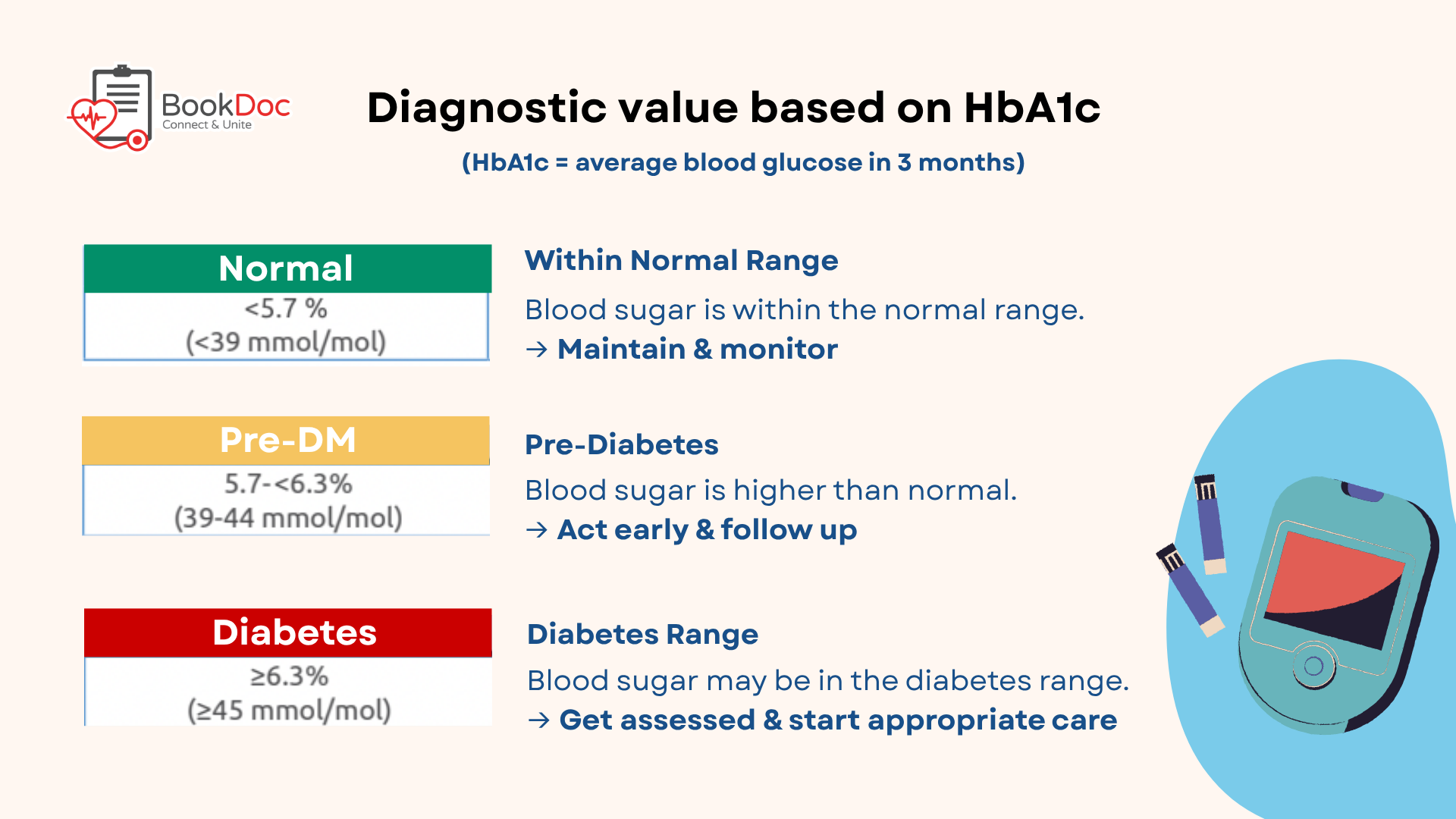
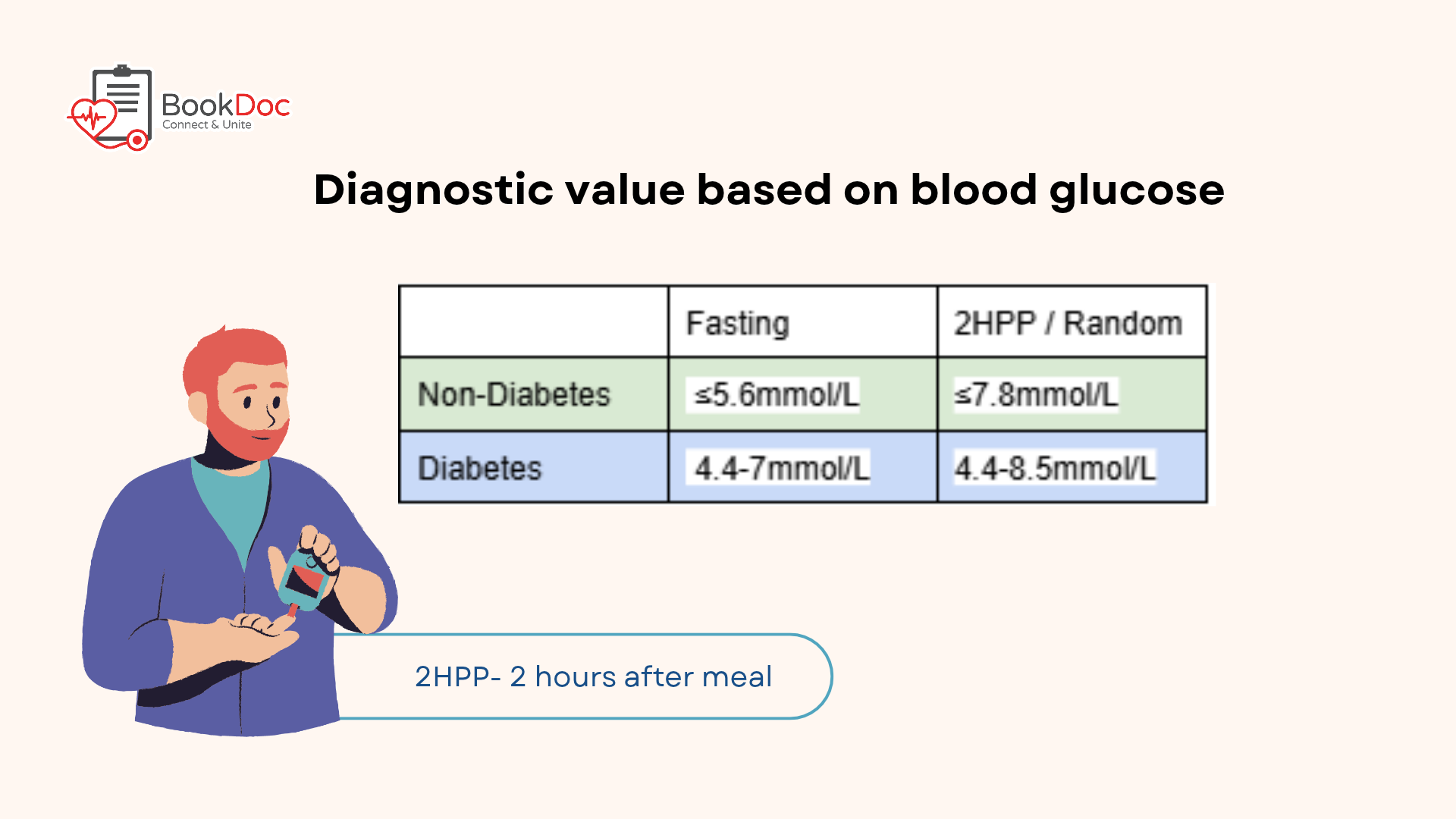
A single test result does not always tell the whole story. If your result falls outside the normal range, don’t panic! An abnormal reading does not necessarily mean you have diabetes. Blood glucose levels can fluctuate due to various factors, and further testing may be needed to confirm the diagnosis. Screening and diagnosis should always be interpreted by a qualified healthcare professional, who can assess your results alongside your medical history and overall health.
Importantly, prediabetes does not mean that developing type 2 diabetes is inevitable. Identifying it gives you an opportunity to take action earlier. Take action by reaching out to your BookDoc health coaches on how to manage your blood glucose.
Want to understand your blood glucose results better? Read BookDoc’s “Diabetes Decoded – What Your Numbers Really Mean & Why It Matters” for more information about what your numbers may tell you.
3. Early Detection Matters Because It Creates an Opportunity to Act
Knowing your risk is useful, but the next step is turning that knowledge into action.
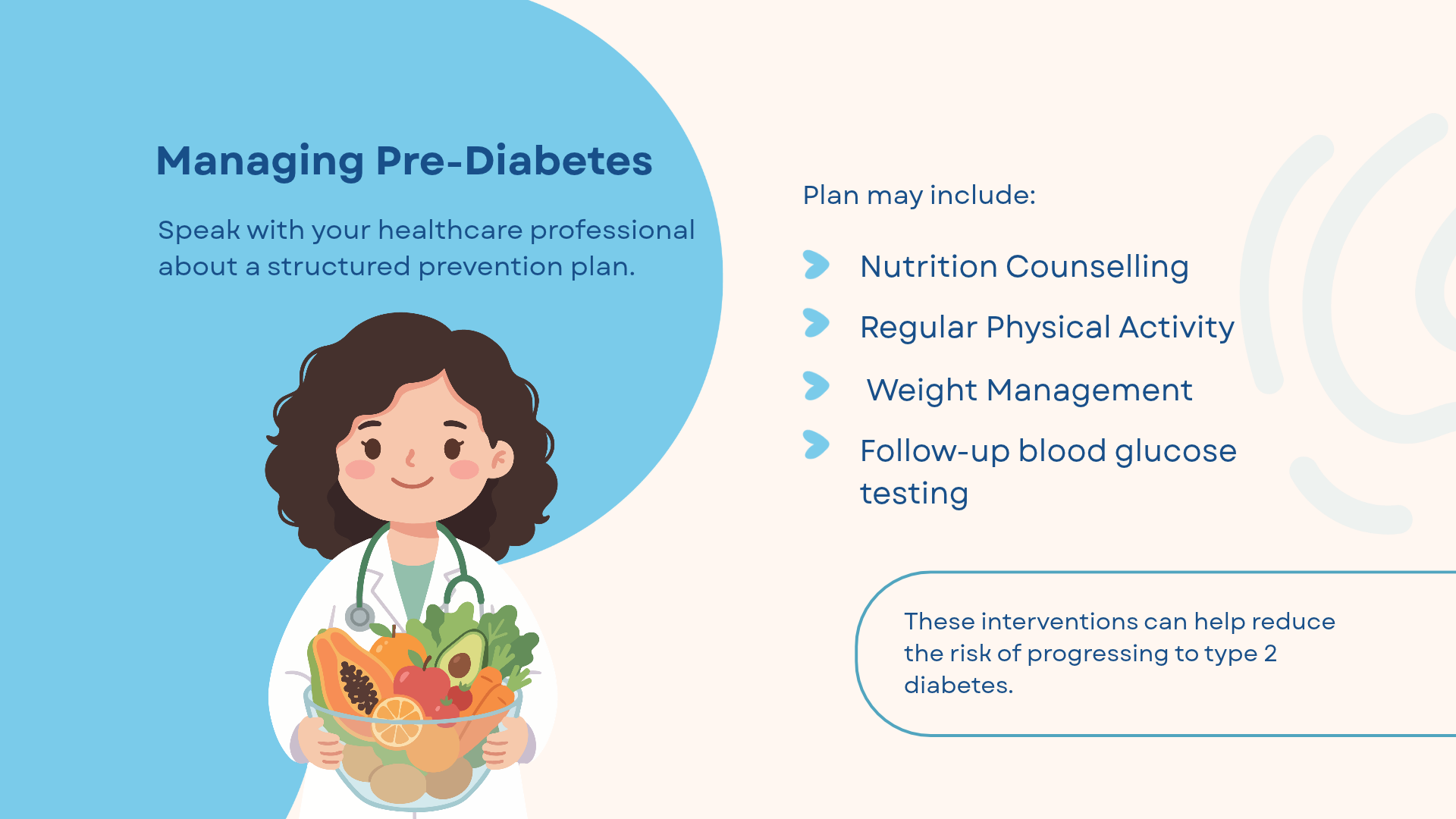
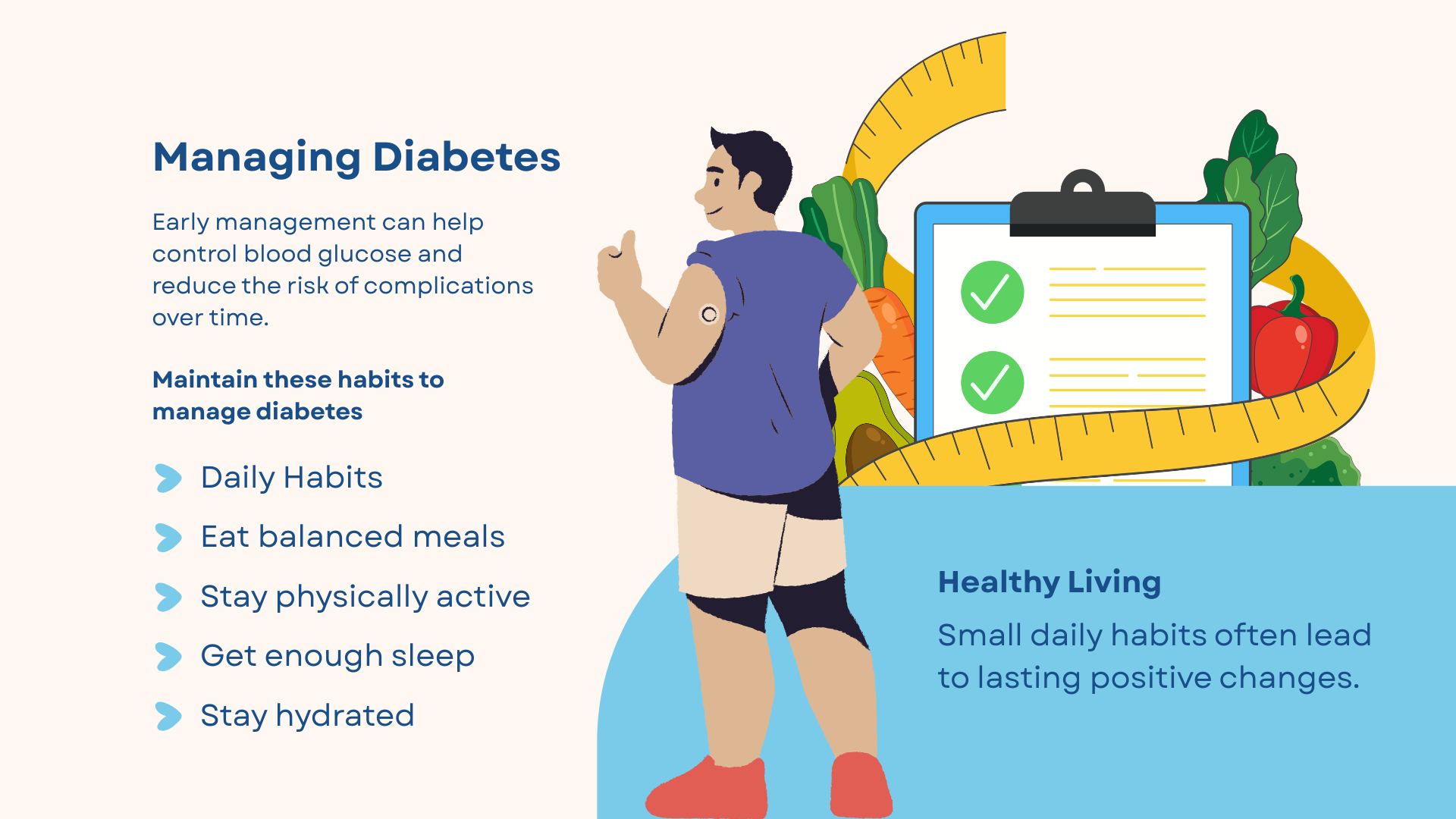
The important thing to remember is that there is no single approach for everyone. The right next step depends on your results, personal risk factors and overall health.
For practical ideas on making dietary changes, explore BookDoc’s “Type 2 Diabetes? Here’s How a Partial Plant-Based Diet Could Change Your Life.” Small, sustainable changes can be a useful starting point, alongside professional guidance suited to your needs.
Take Action Before You Feel Unwell
Early action does not require fear, drastic diets or waiting for a health scare.
It can begin with one simple question: Do I know my risk, and have I checked it appropriately?
This World Diabetes Day, make time to understand your risk, discuss screening with your healthcare professional and act on the results.
Know your risk. Check when appropriate. Act early.
Disclaimer: This article is for general educational purposes and does not replace professional medical advice, diagnosis or treatment. Consult a qualified healthcare professional for individualised screening recommendations and care.